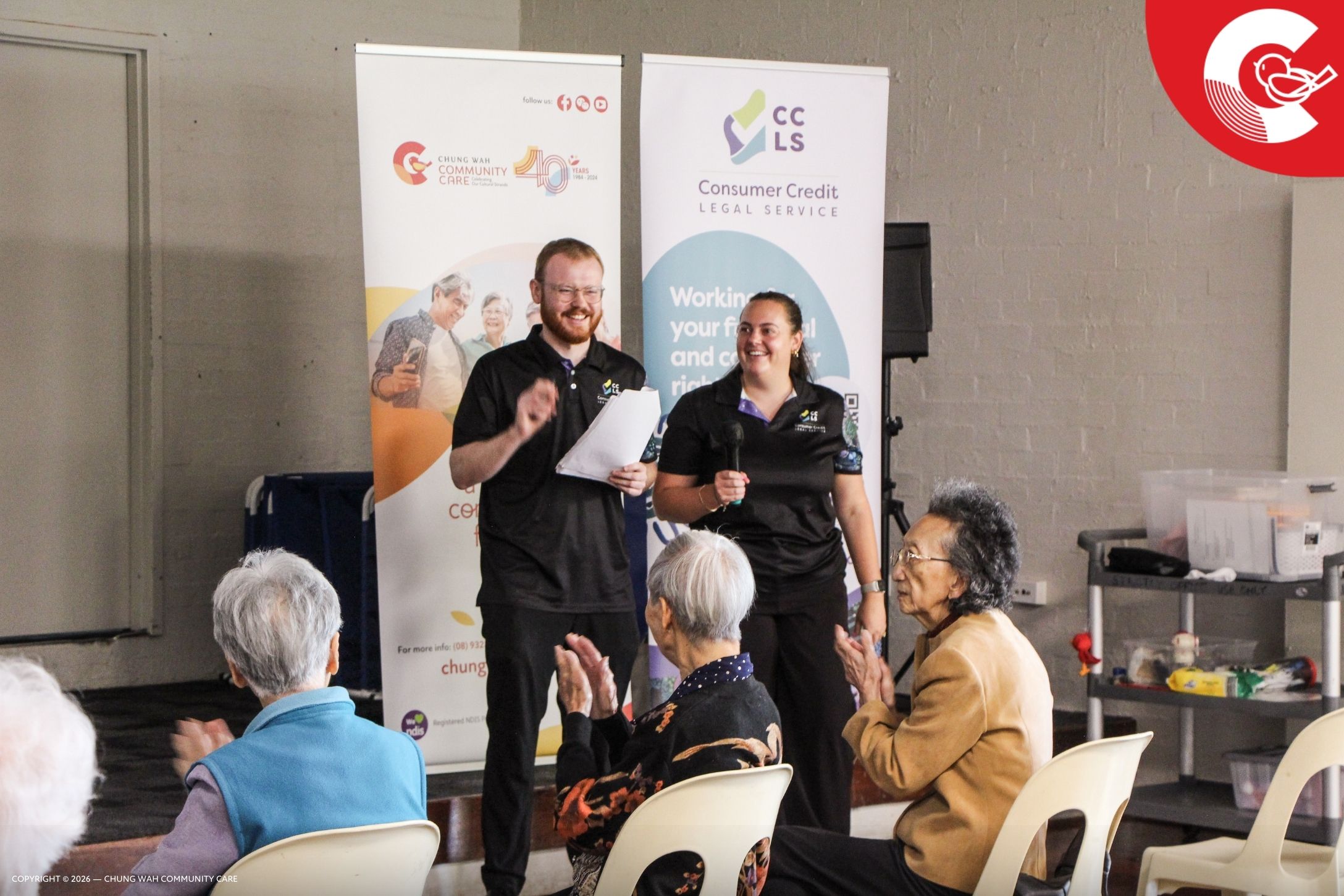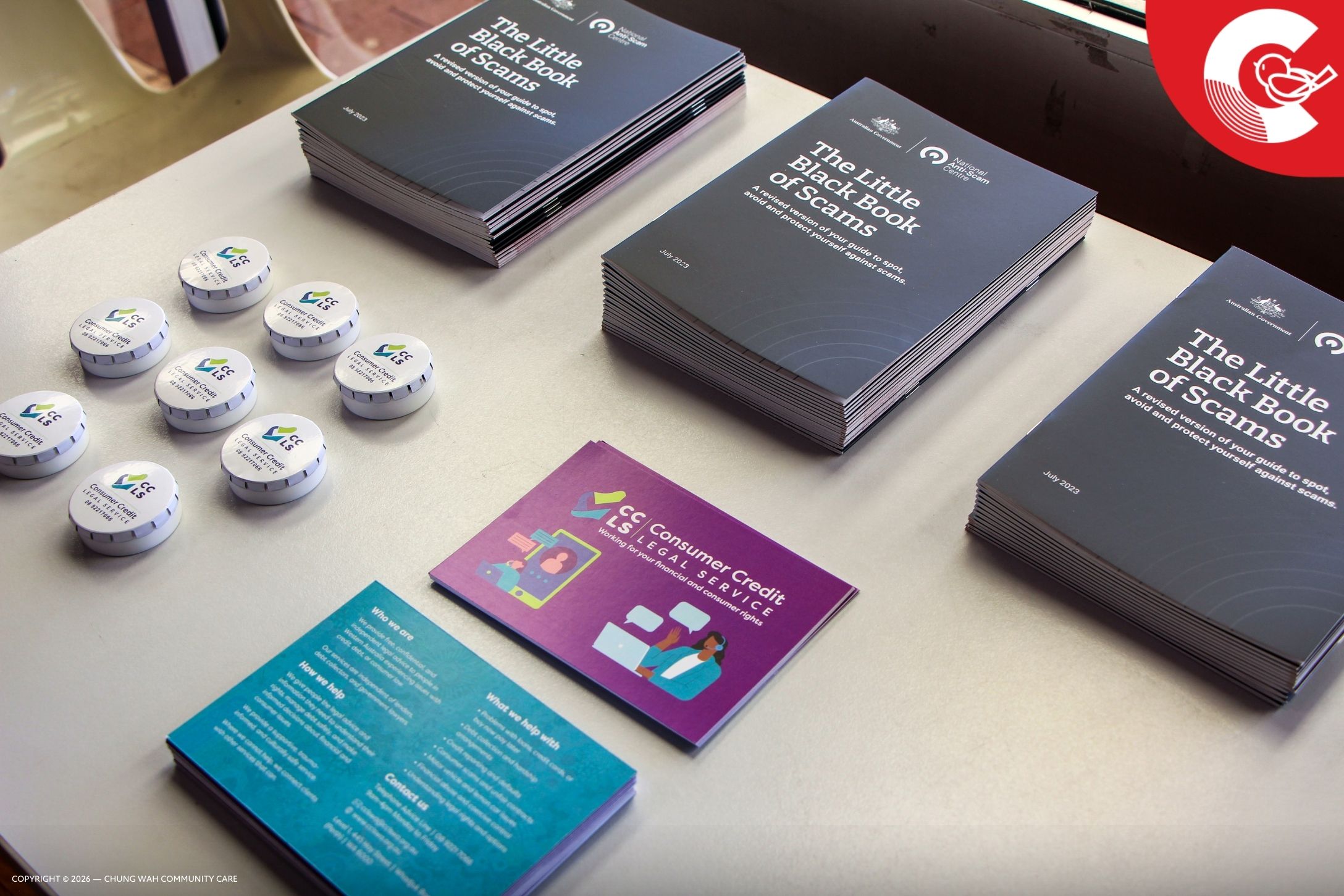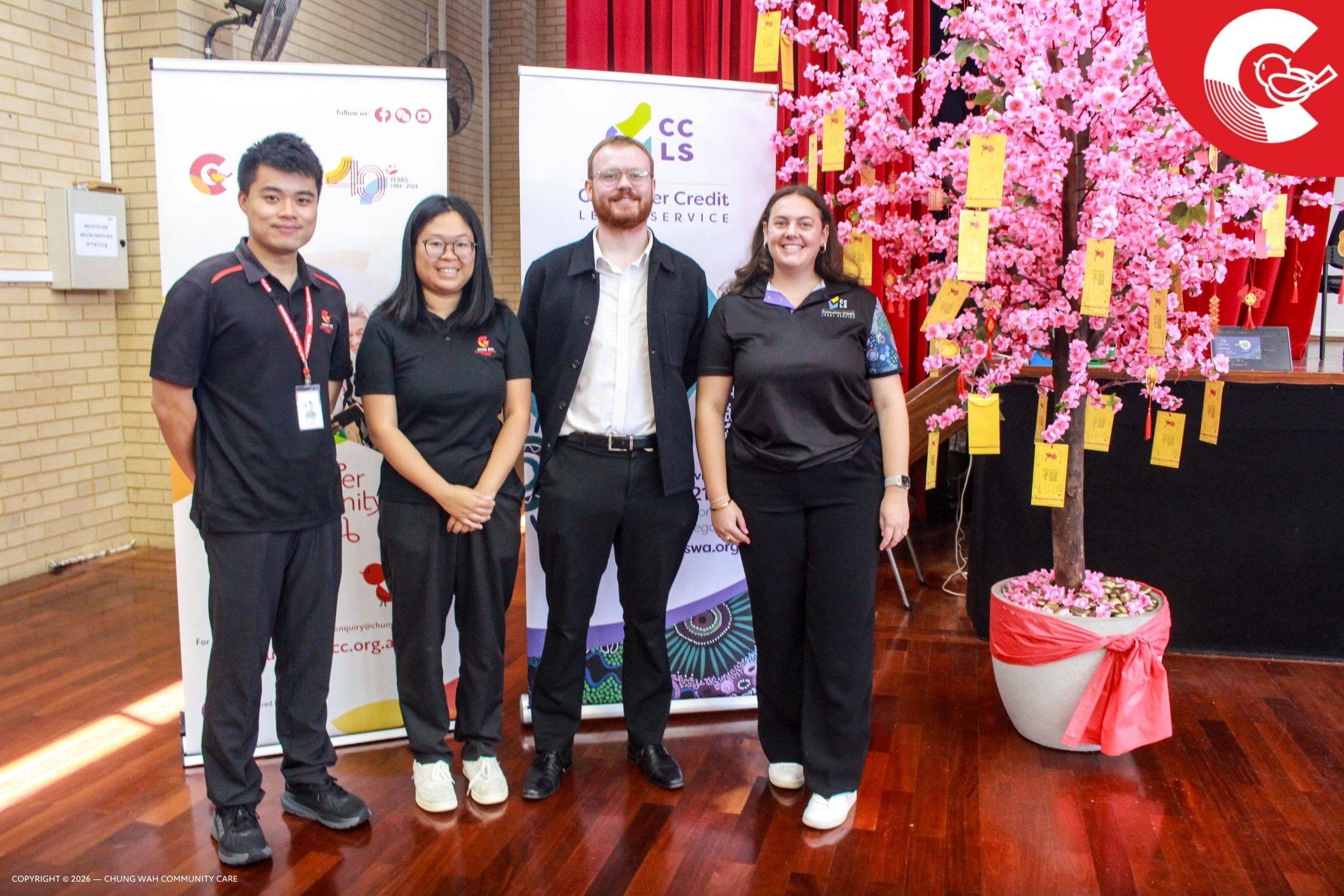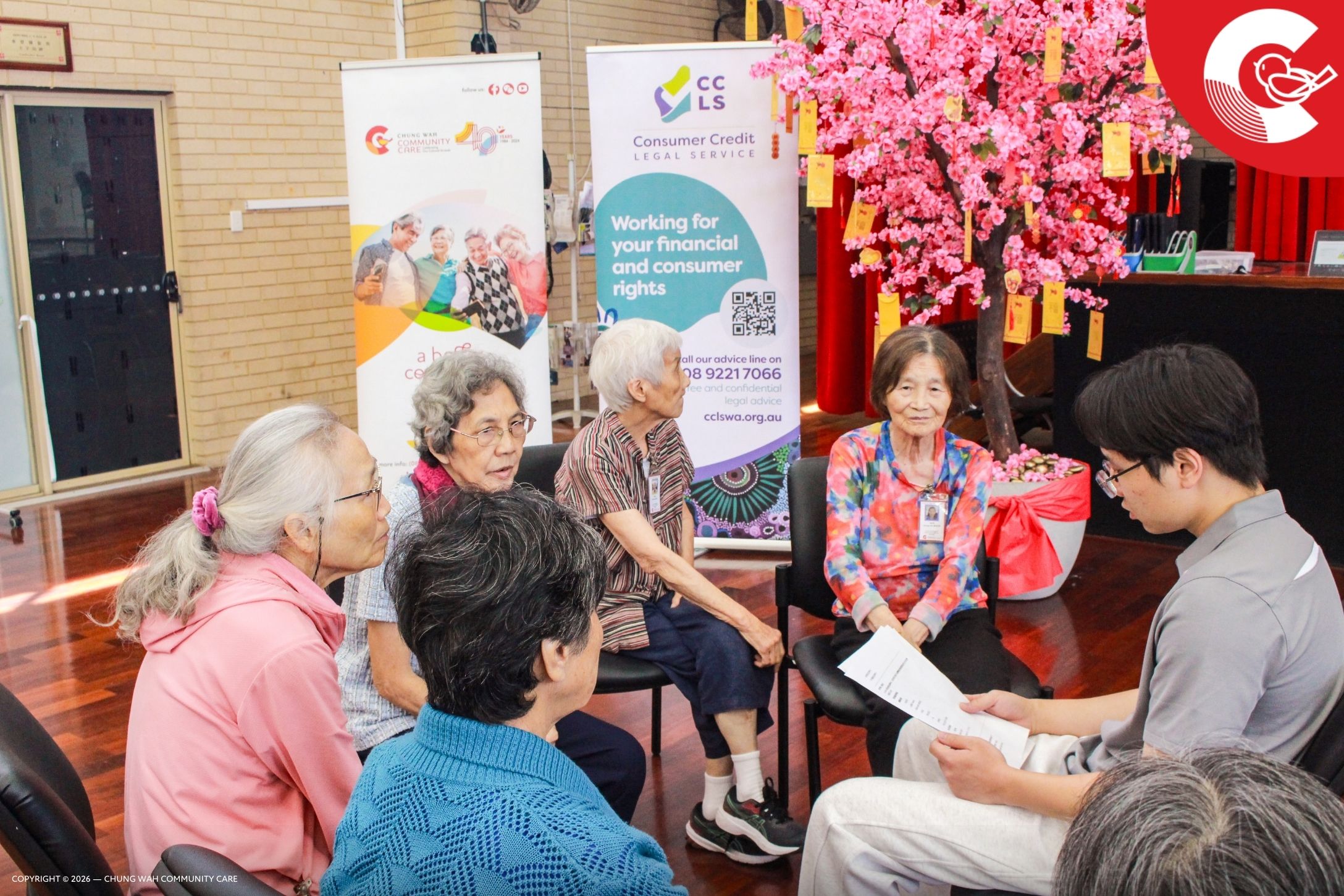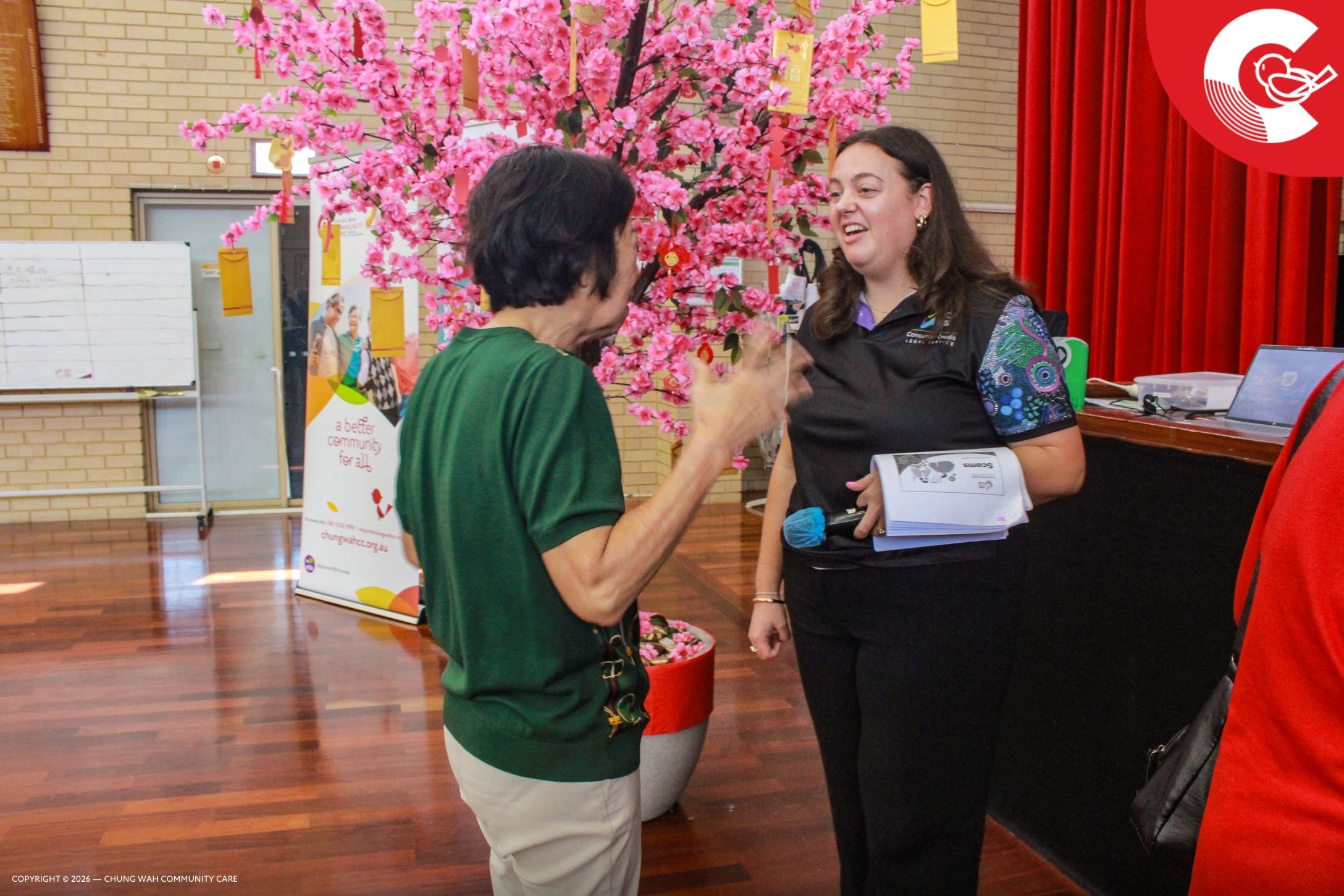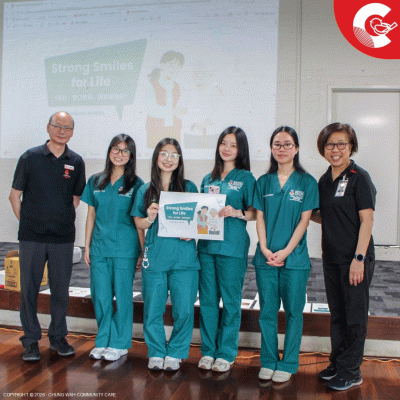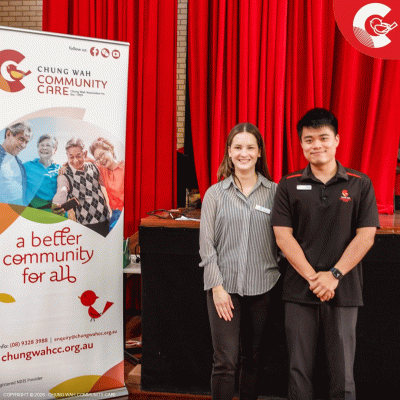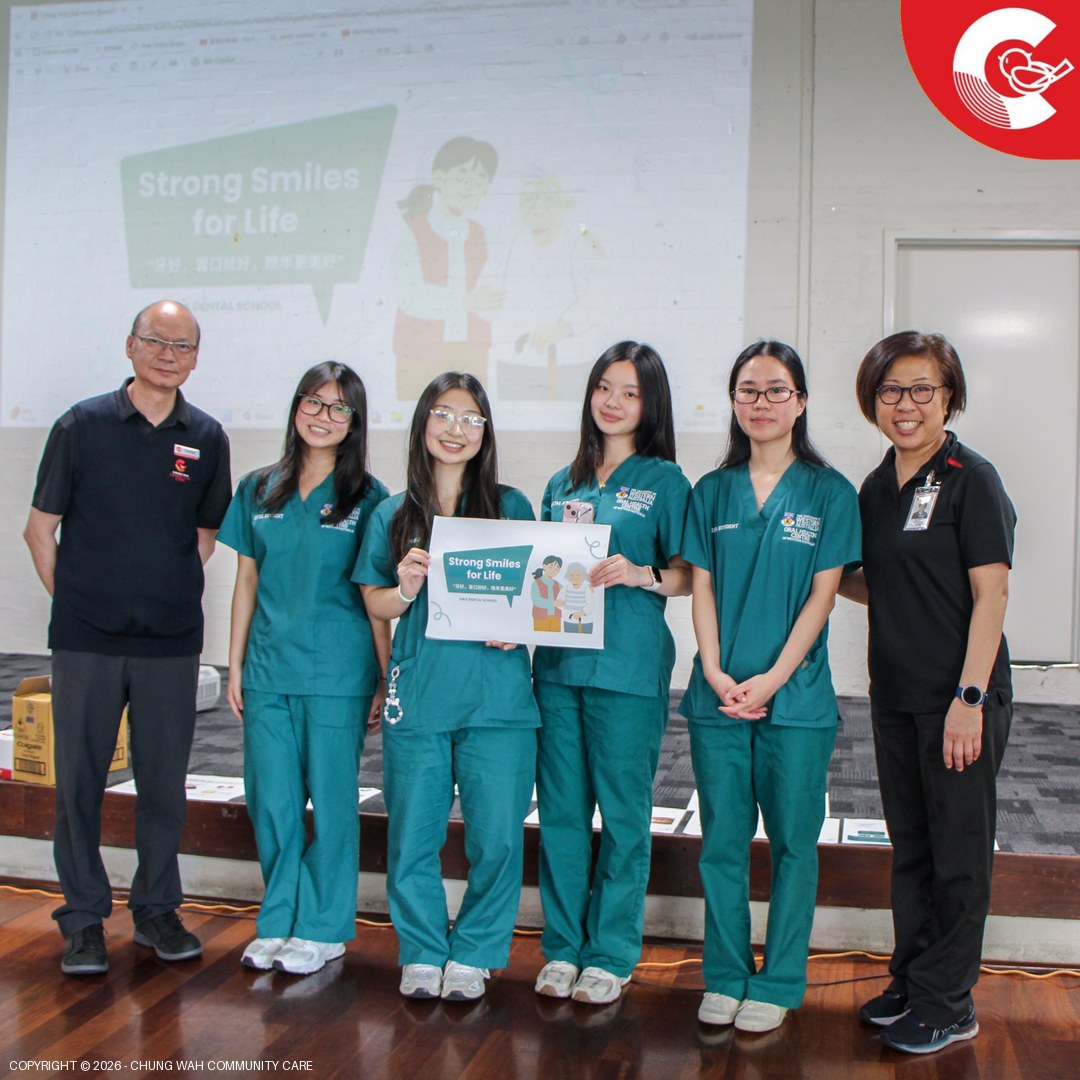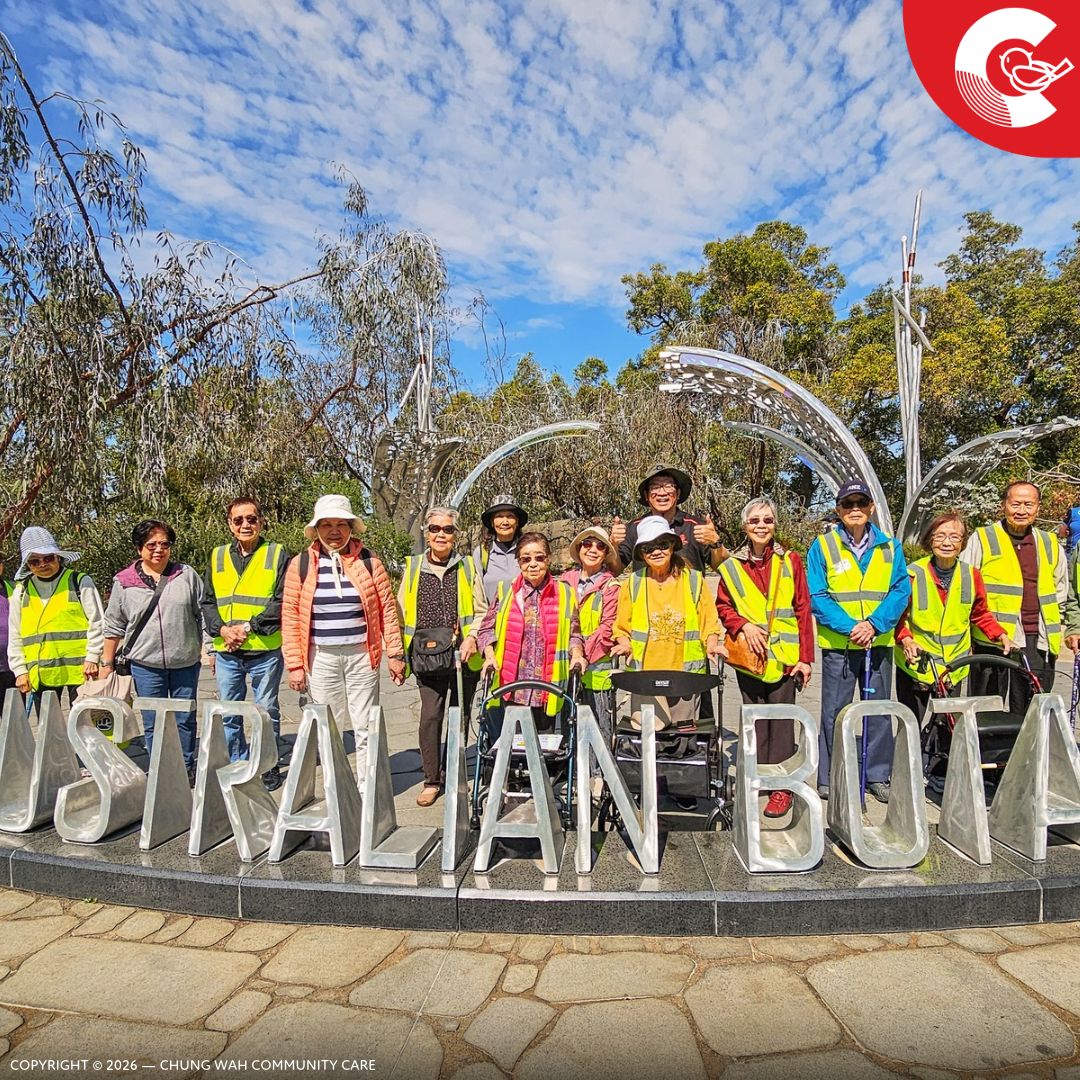
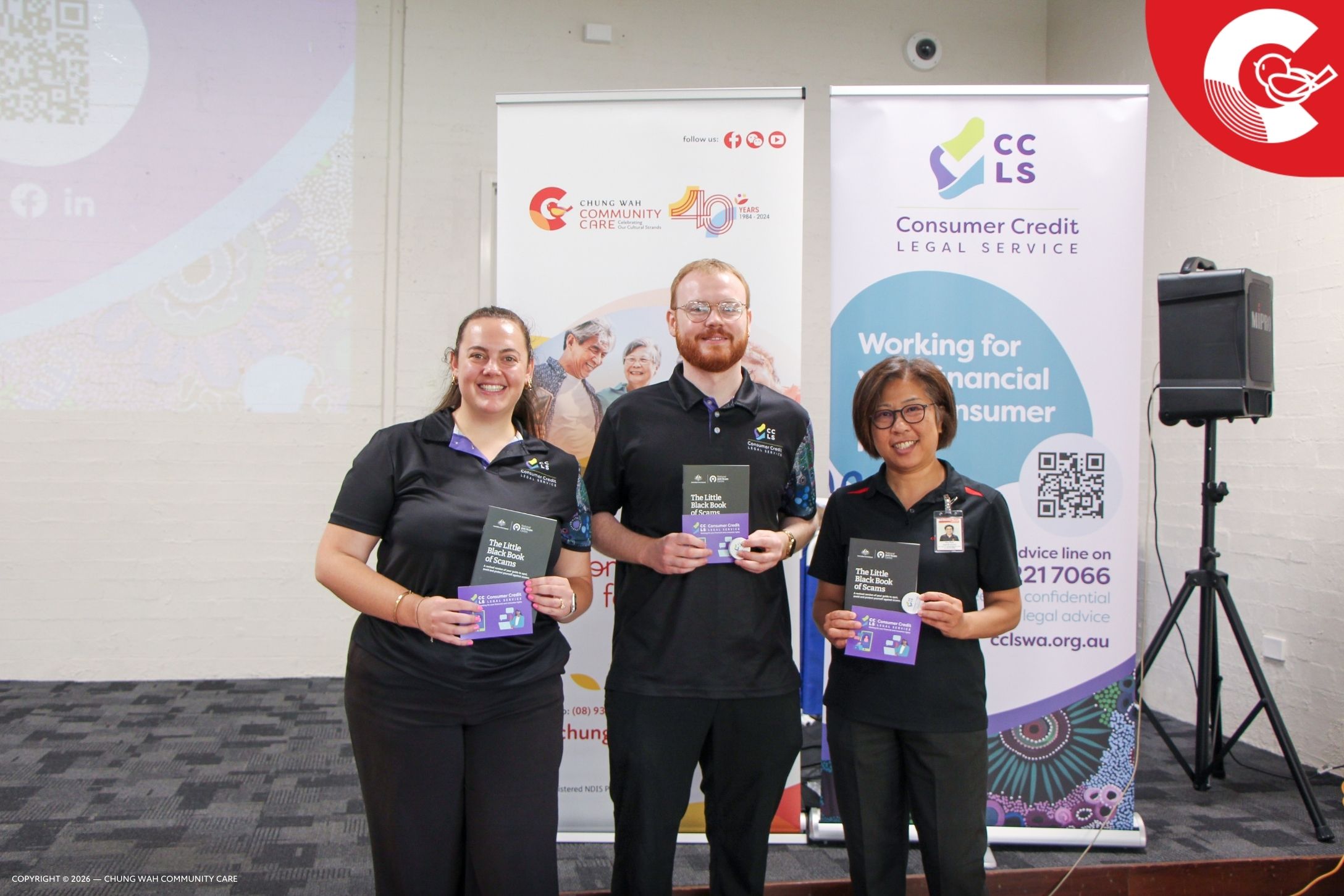
Evergreen College, started by Chung Wah Community Care (CWCC), began its first term earlier this year with the theme “Safe and Connected Communities.” Because more people are worried about online safety and staying connected, February’s program focused on “Digital Confidence and Cultural Connection.” This matched up with Safer Internet Day and included special seminars at the northern and southern community hubs and in Bayswater.
Experts from Community Legal Centres in Western Australia explained that, as scams become more advanced and technology becomes an increasingly big part of our lives, anyone can be at risk. In 2024, Australians lost about AUD $2.4 billion to scams. Investment scams caused the most damage, with losses of around AUD $945 million, more than any other type of scam.
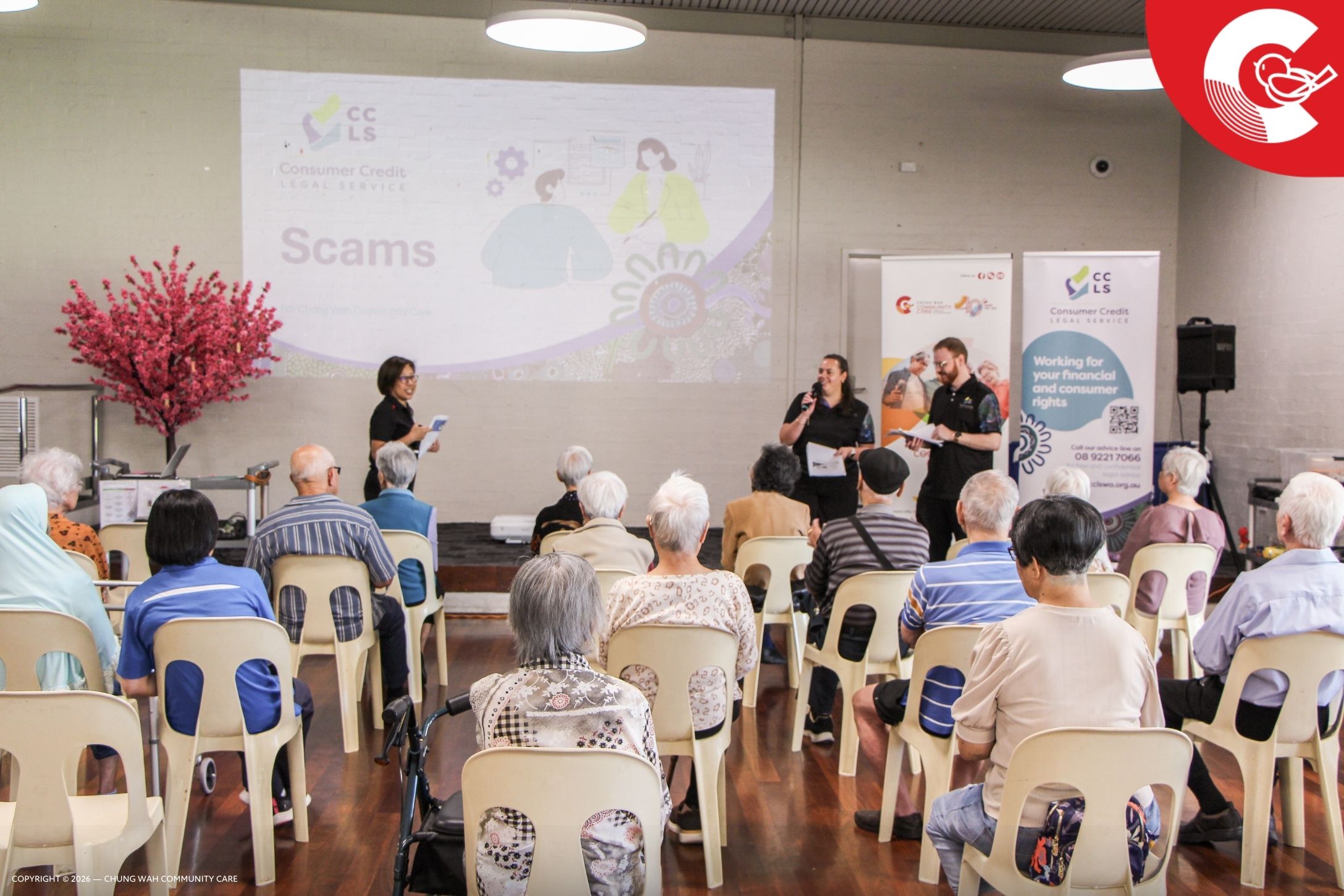
This session used real-life examples to show how investment and impersonation scams work. Scammers often promise “high returns with zero risk” or say that “immediate action is required.” They might pretend to be banks, government agencies, or even family members, contacting people by text, email, or phone to try to get them to send money or share personal details.
The sessions also talked about how scams can affect people’s feelings. Besides losing money, victims often feel anxious, ashamed, or angry, and these emotions can last a long time and affect their health. That’s why it’s just as important to raise awareness of scams and build supportive networks.
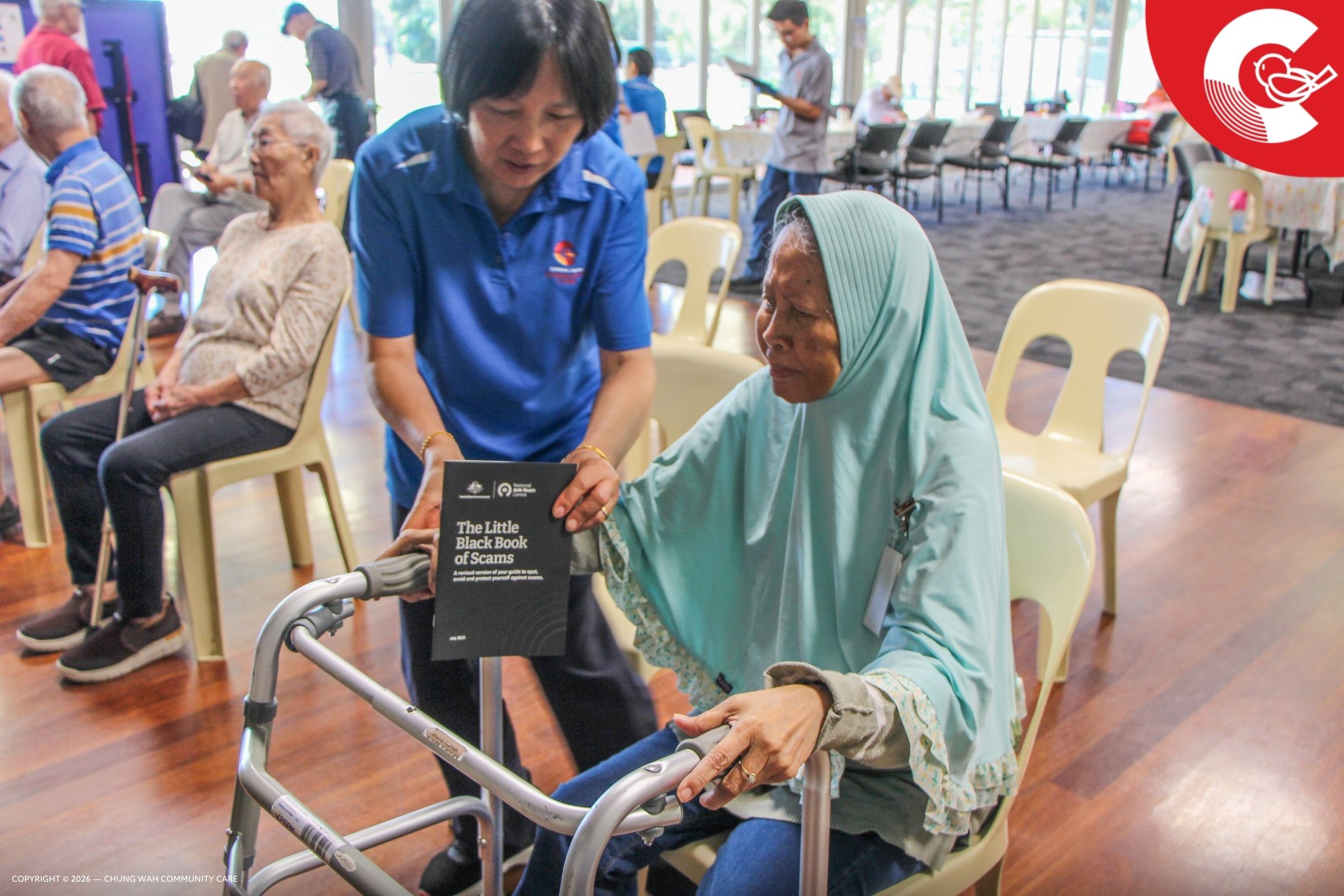
Participants learned practical ways to protect themselves, like using strong passwords and updating them often, not sharing personal information with strangers, checking bank accounts for anything unusual, taking a moment before acting, double-checking requests with trusted family or friends, and getting independent advice before investing. If you think you’ve been scammed, stop all contact with the scammer and tell your bank right away so they can freeze your accounts.
CWCC emphasised that Evergreen College will continue to offer a variety of courses and community seminars focused on safety, health, and staying connected. The aim is to help seniors feel more confident using technology, lower their risks, and keep strong community connections in a safe environment.