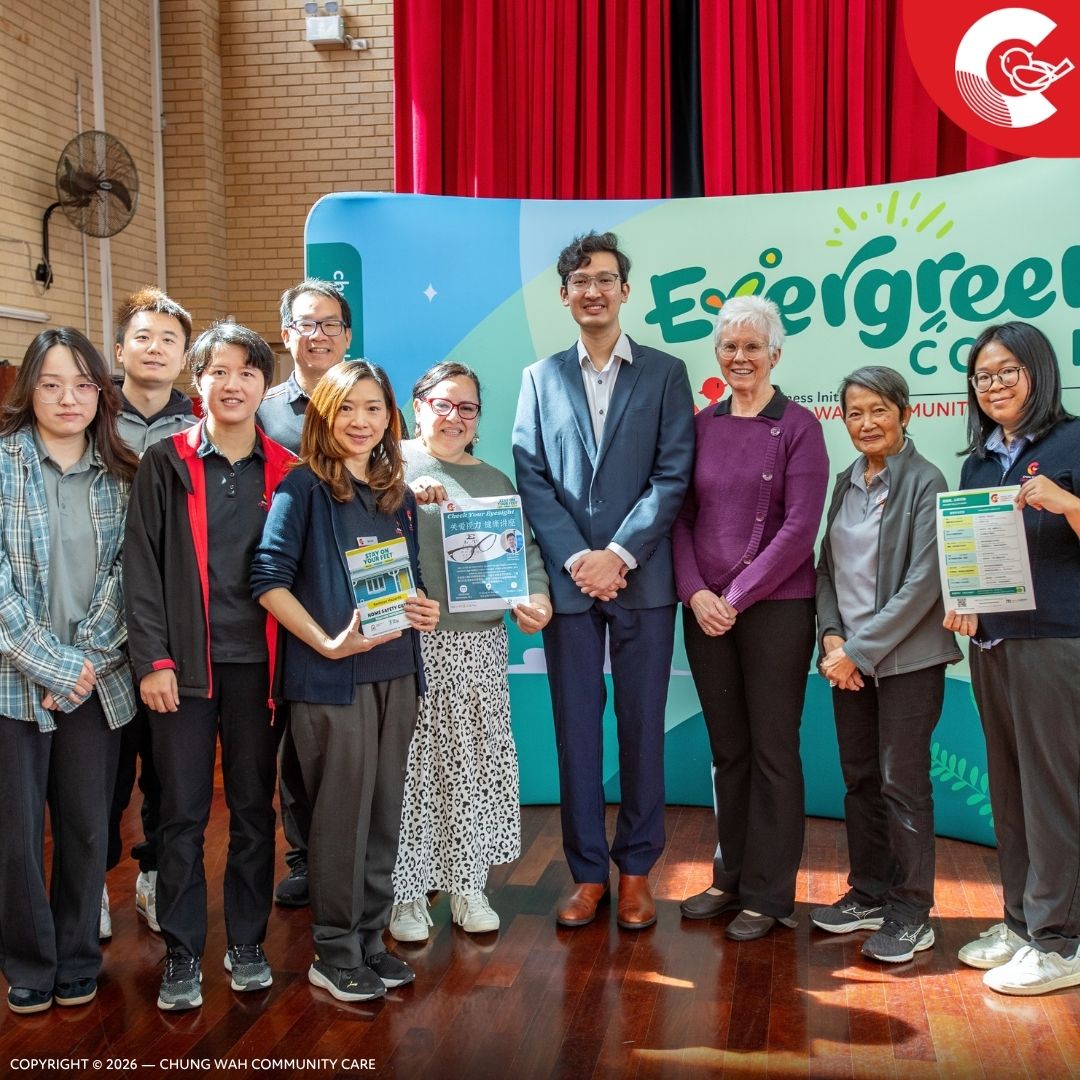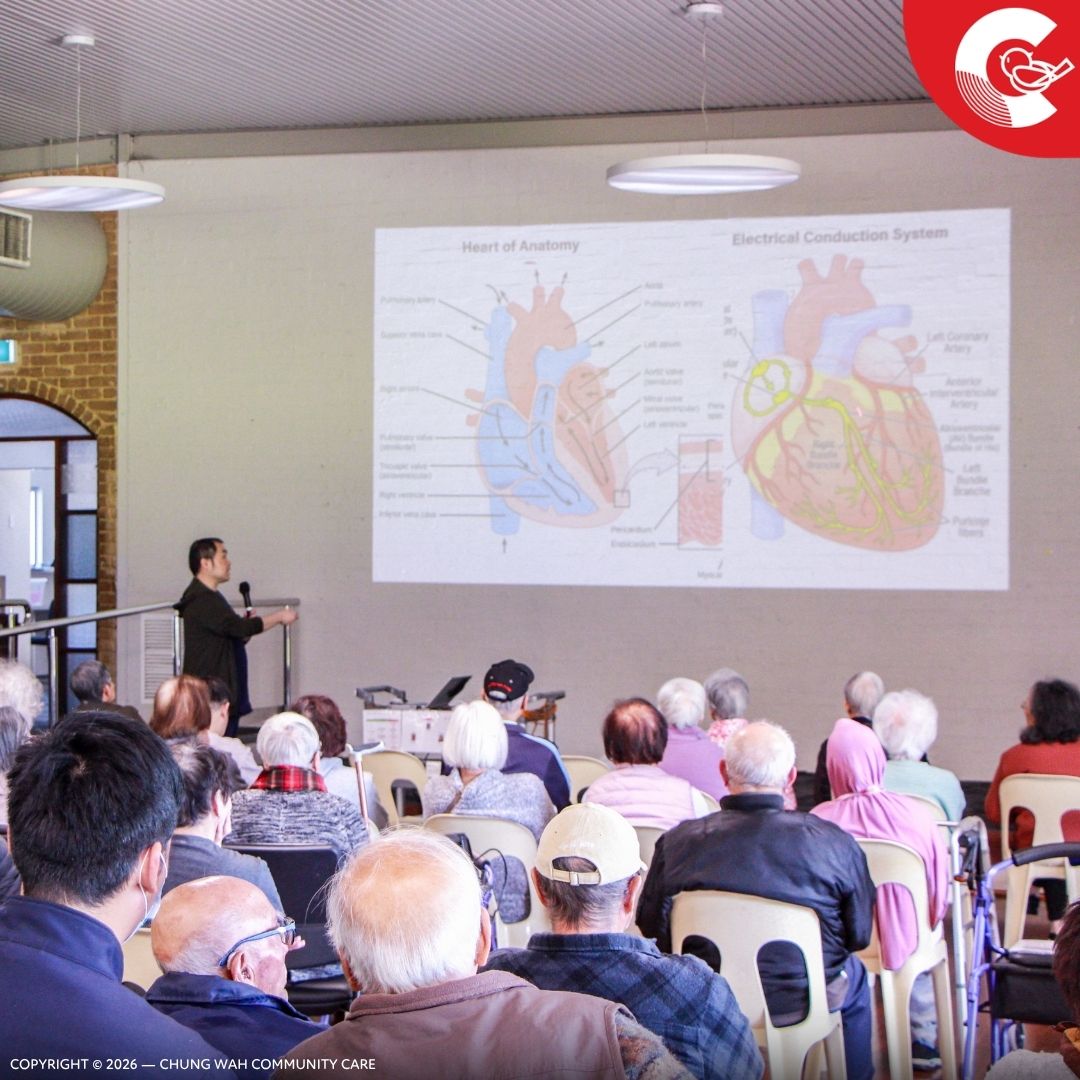
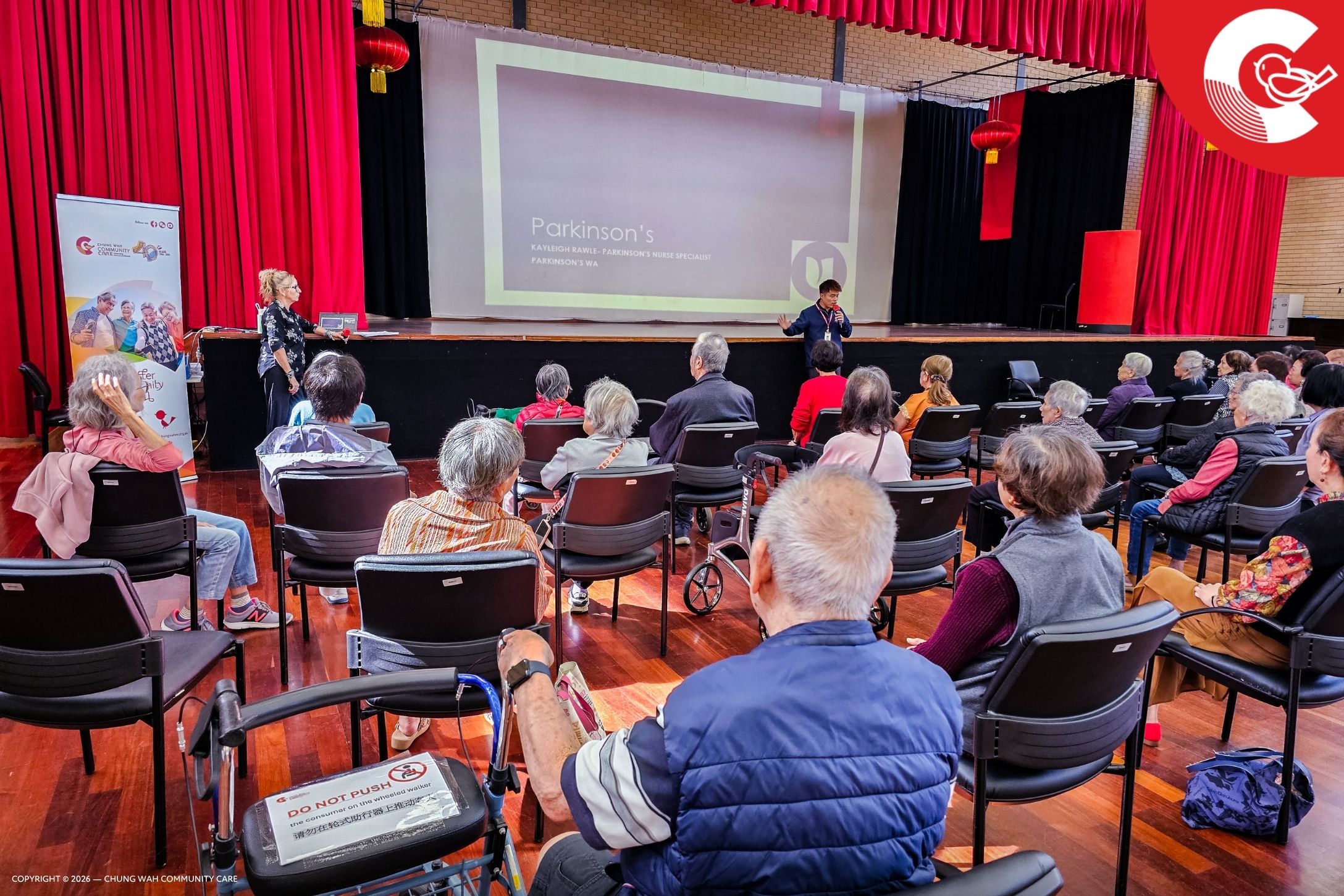
Chung Wah Community Care (CWCC) Evergreen College started its second term with the theme “Healthy and Vibrant Living.” In April, they held a special series called “Health Awareness and Quality Living.” To mark World Parkinson’s Awareness Month 2026, CWCC invited experts from Parkinson’s WA to give educational talks at community hubs in Balcatta, Willetton, and Bayswater. These sessions helped seniors learn how to spot early signs of Parkinson’s disease and take action sooner.
The seminars began with essential medical insights, offering a clear and accessible explanation of Parkinson’s disease as a common neurodegenerative condition. Experts highlighted that the disease is primarily linked to the gradual loss of dopamine-producing neurons in the brain.
Common symptoms include tremors, muscle rigidity, slowed movement, and impaired balance and posture.
A key highlight of the sessions was the introduction of the “Parkinson’s Iceberg Theory,” which captured strong interest from attendees. This concept illustrates the disease as an iceberg: the visible portion above the water represents motor symptoms, while a much larger, hidden section beneath the surface includes non-motor symptoms such as depression, anxiety, sleep disturbances, reduced sense of smell, and cognitive changes. Experts emphasised that these less visible symptoms are often overlooked, yet they can have a profound and lasting impact on quality of life.
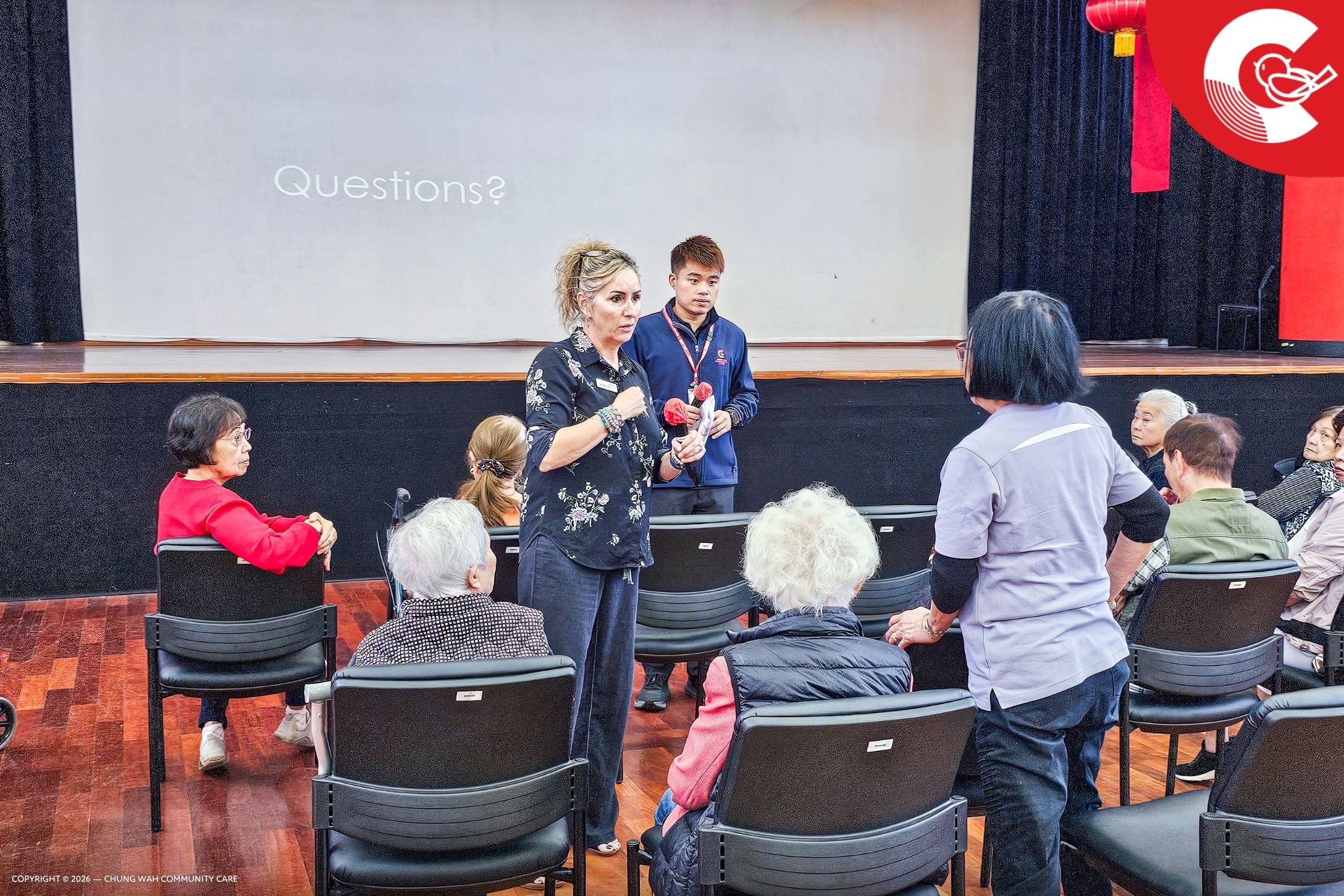
Parkinson’s disease changes more than just how the body works; it also affects daily life. Some people may slowly stop joining social activities because moving around is hard, or they feel stressed. Communication problems can make relationships harder, and losing some independence can affect a person’s sense of dignity. This shows that managing Parkinson’s disease is not just about medicine. Having a strong and caring support network is just as important.
Experts said that while there is no cure for Parkinson’s disease right now, symptoms can be managed with medicine, rehab, and changes in daily habits. They especially stressed the importance of regular exercise. CWCC encourages seniors to join community programs and activities to stay active and connected, which helps build a healthier and more resilient lifestyle.
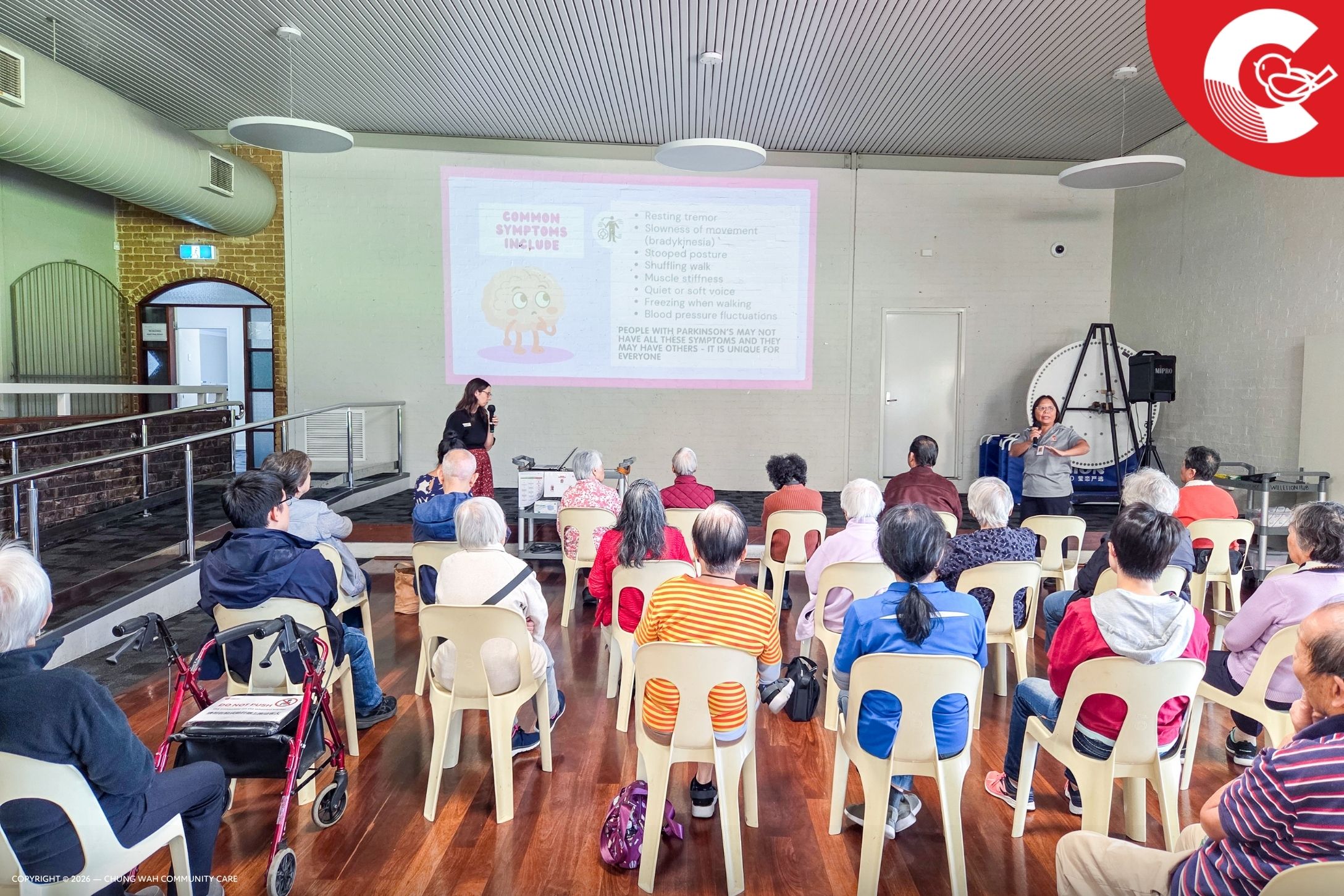
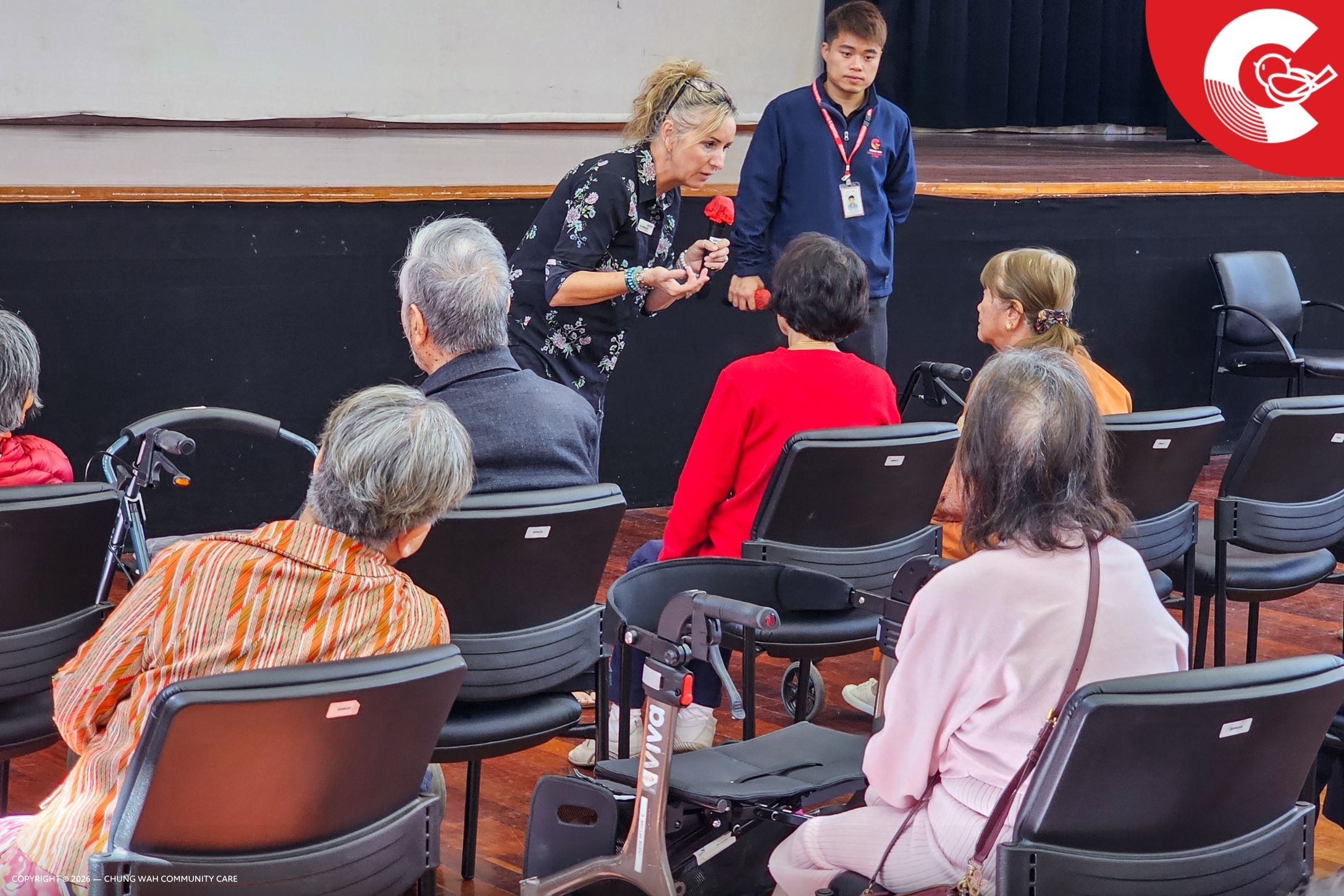
Participants gave very positive feedback, saying the sessions helped them better understand Parkinson’s disease. Real-time translation in different languages made the talks more accessible and welcoming. By bringing together expert healthcare knowledge and community services, CWCC is building a support network that shares information, offers emotional support, and connects people. This helps meet the community’s needs with care and understanding.