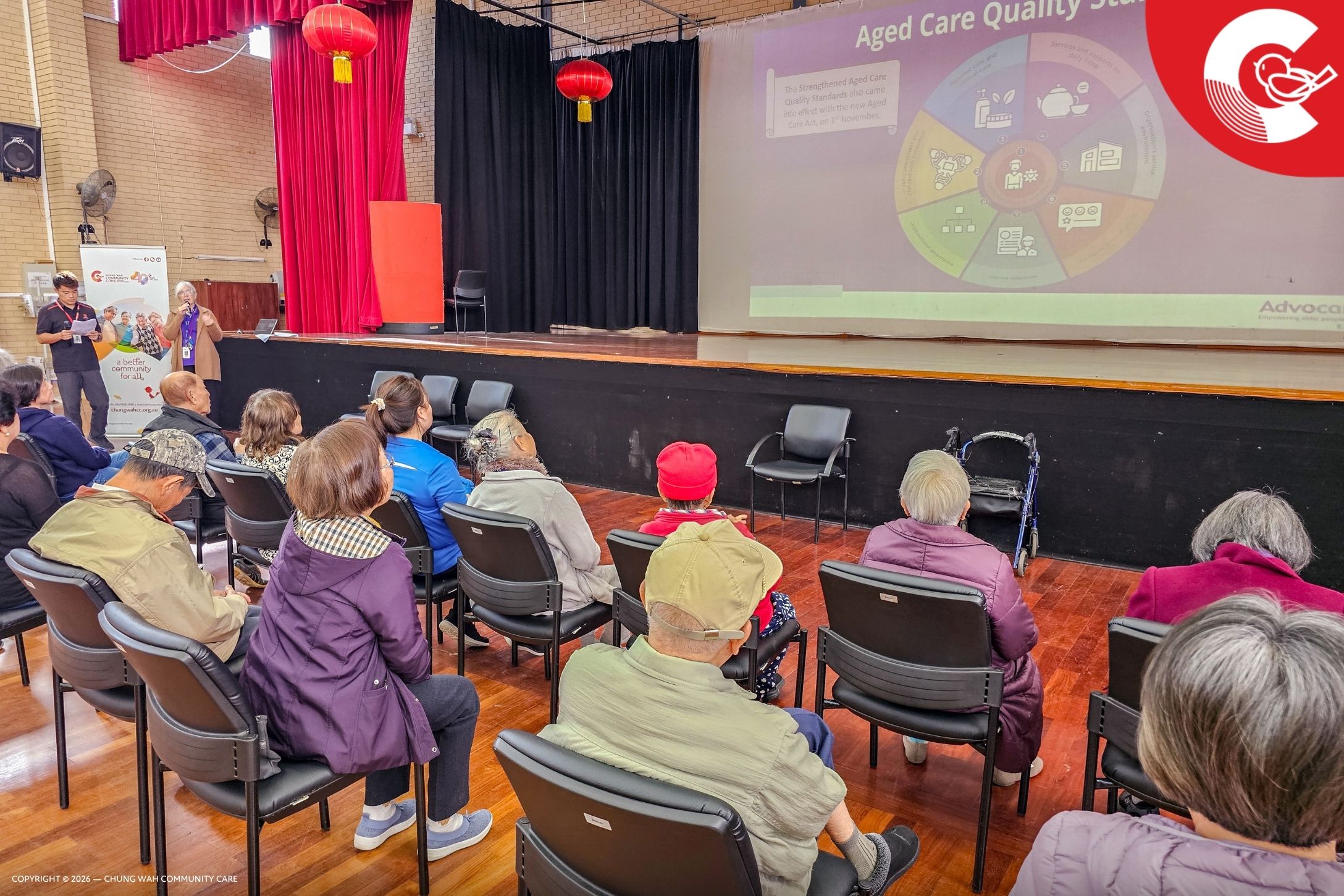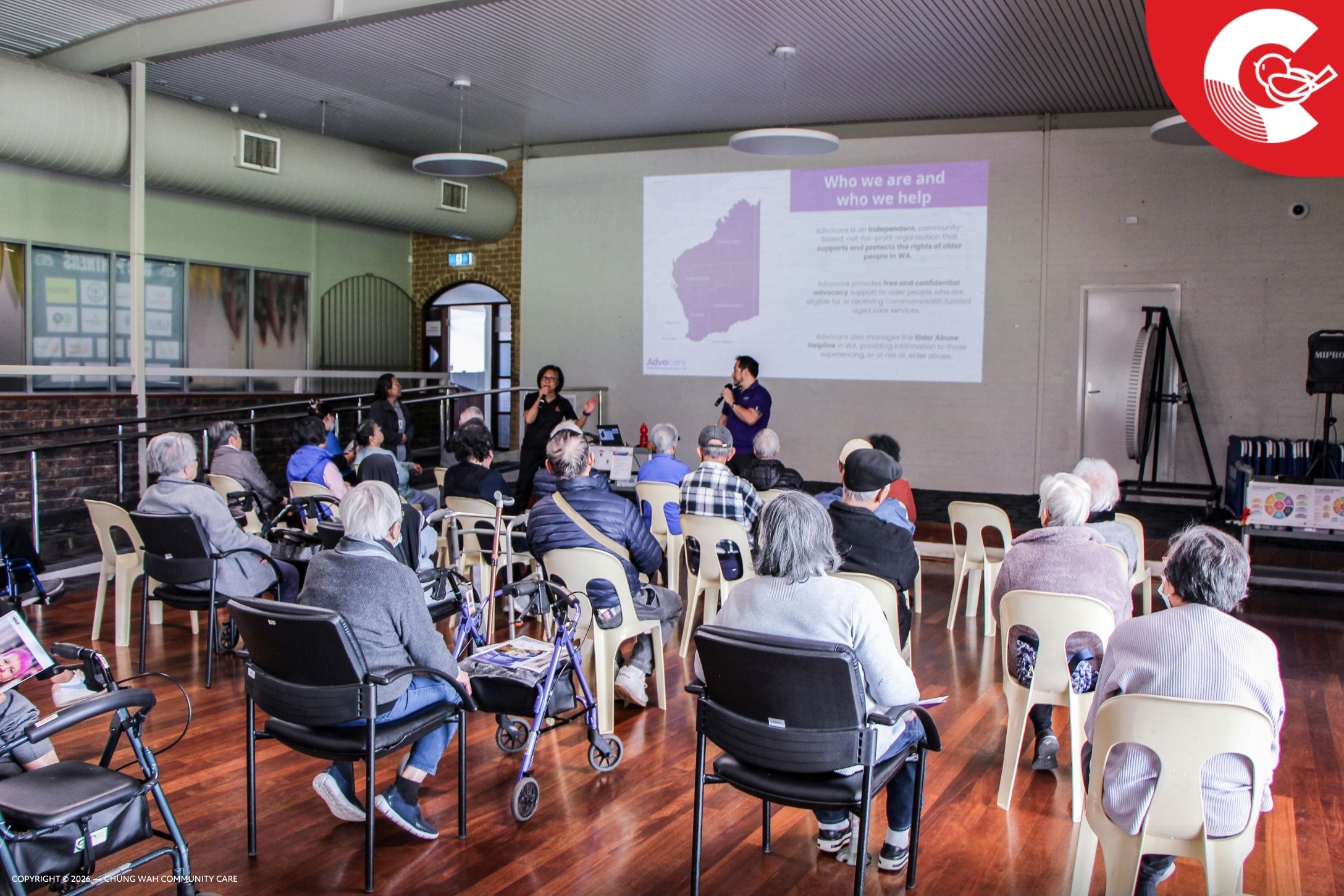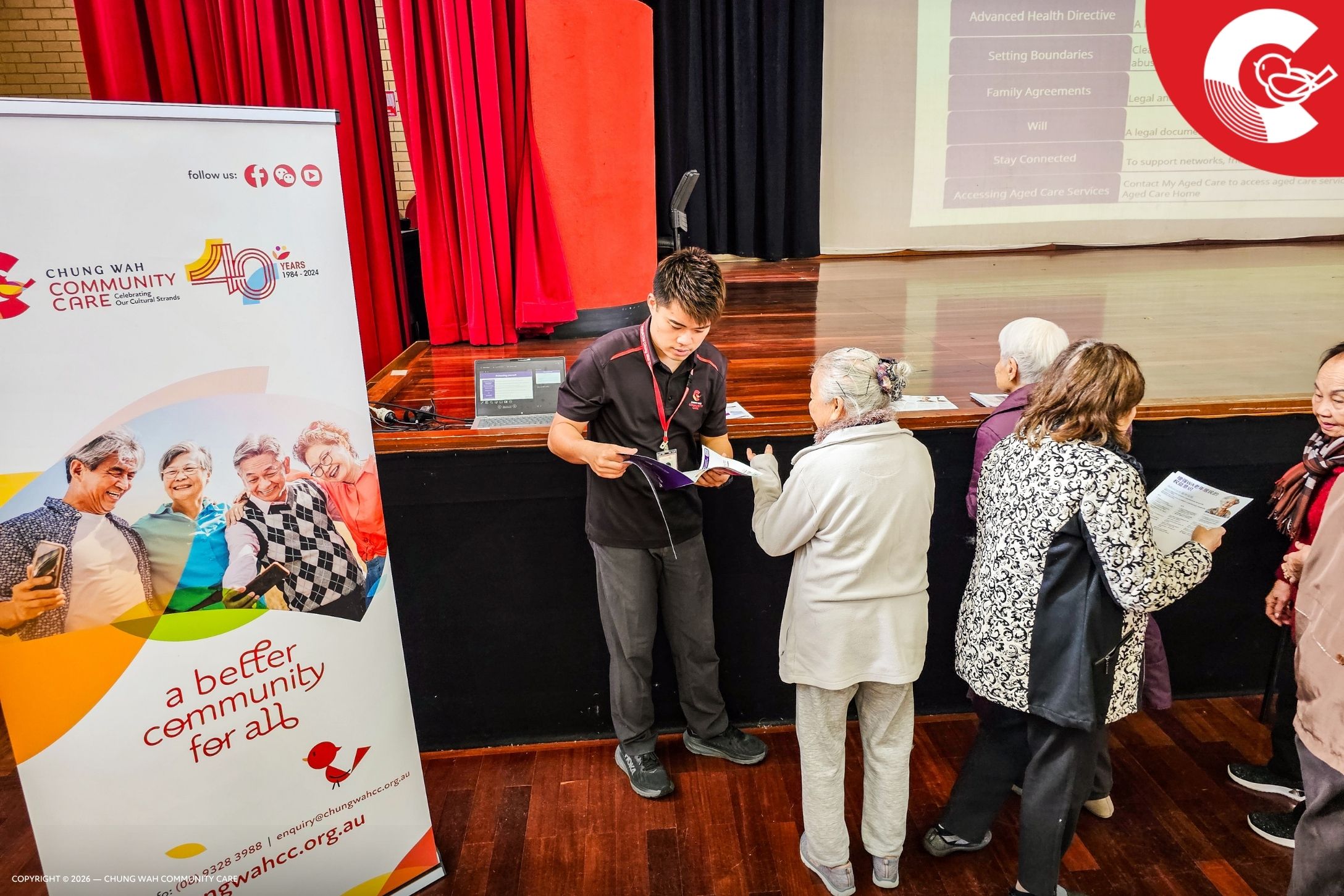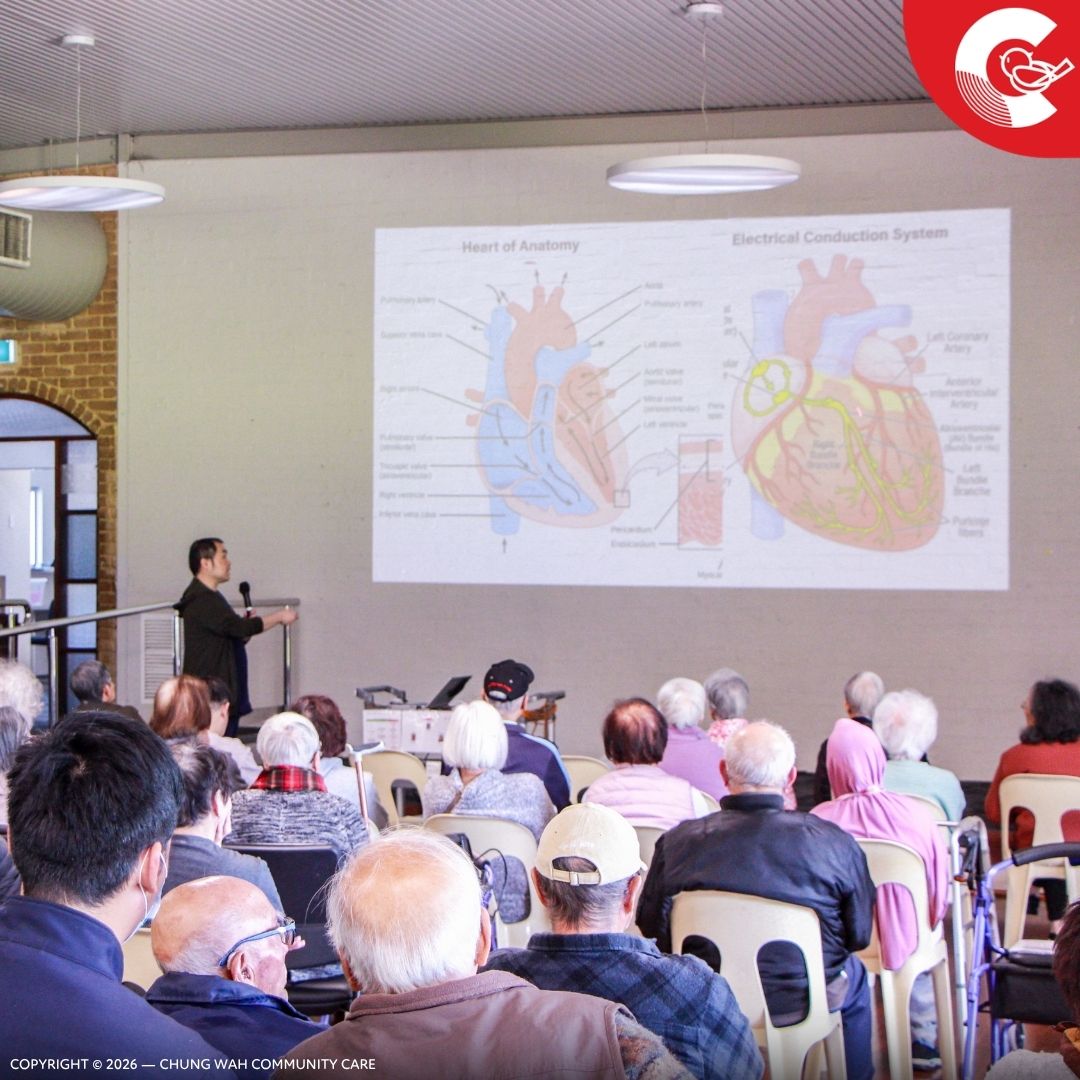
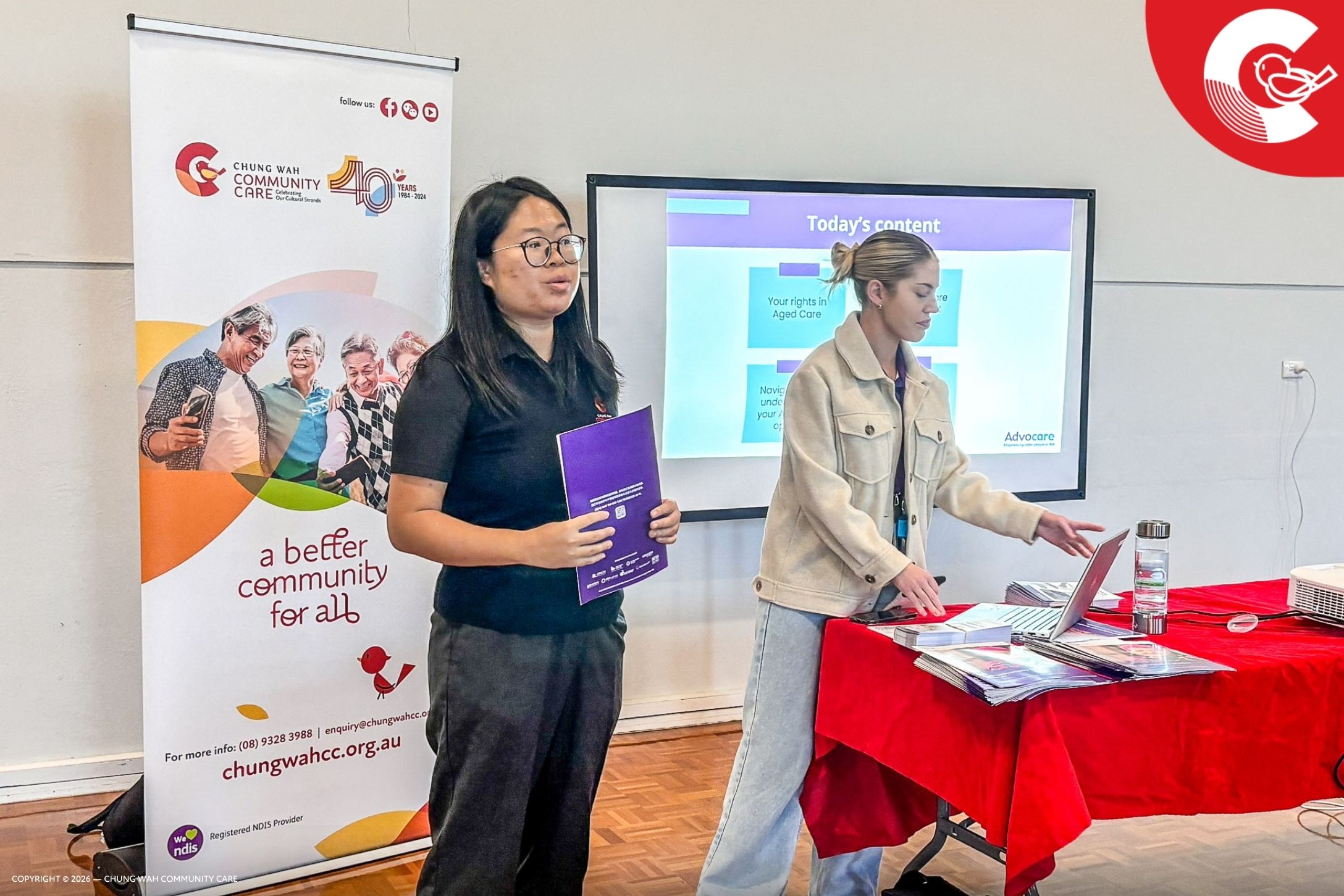
Knowing your rights gives you the confidence to make informed choices and continue living with dignity as you grow older. To support this, Chung Wah Community Care (CWCC) partnered with Advocare to deliver three free education sessions in June across the Balcatta, Willetton, and Bayswater Community Hubs. The sessions gave seniors practical guidance on understanding aged care services, protecting their rights, and knowing where to turn for support.
Presented by Western Australia's independent advocacy organisation, Advocare, the workshops transformed complex aged care information into practical advice that participants could easily apply in everyday life. Seniors learned about the Charter of Aged Care Rights, the Strengthened Aged Care Quality Standards, and the role of independent advocacy in helping people navigate the aged care system with confidence.
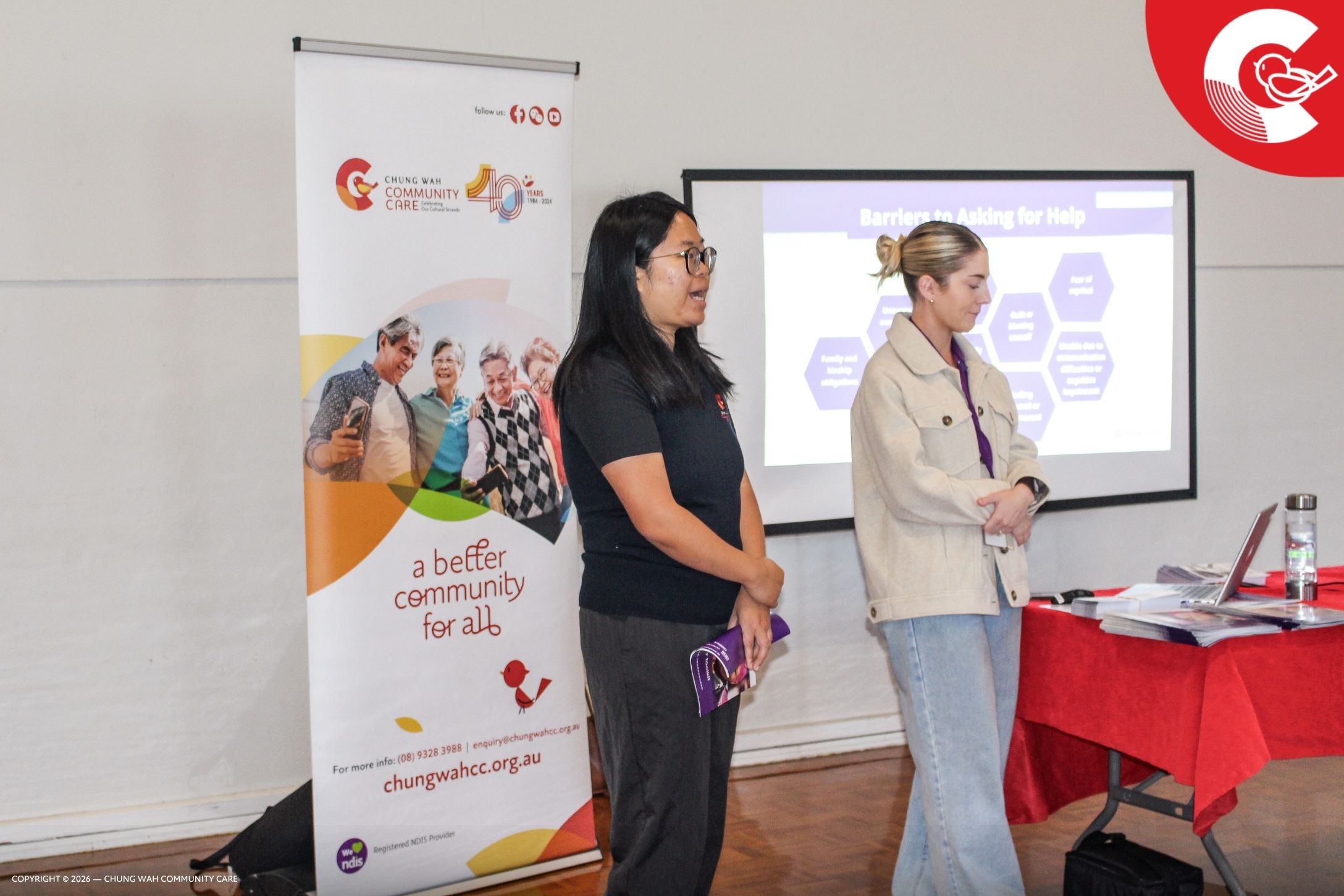
One of the key messages throughout the sessions was that every older person has the right to be treated with dignity and respect, make their own decisions, and actively participate in planning their care. Understanding these rights helps seniors and their families feel more confident when asking questions, discussing care options, or speaking up when something doesn't feel right.
The workshops also highlighted the importance of culturally appropriate care for people from culturally and linguistically diverse (CALD) backgrounds. Quality aged care should reflect each person's culture, language, beliefs, and values. Participants learned that they can request services such as bilingual support workers, interpreters, culturally appropriate activities, and transportation assistance to remain connected with their community and continue living the life they value.
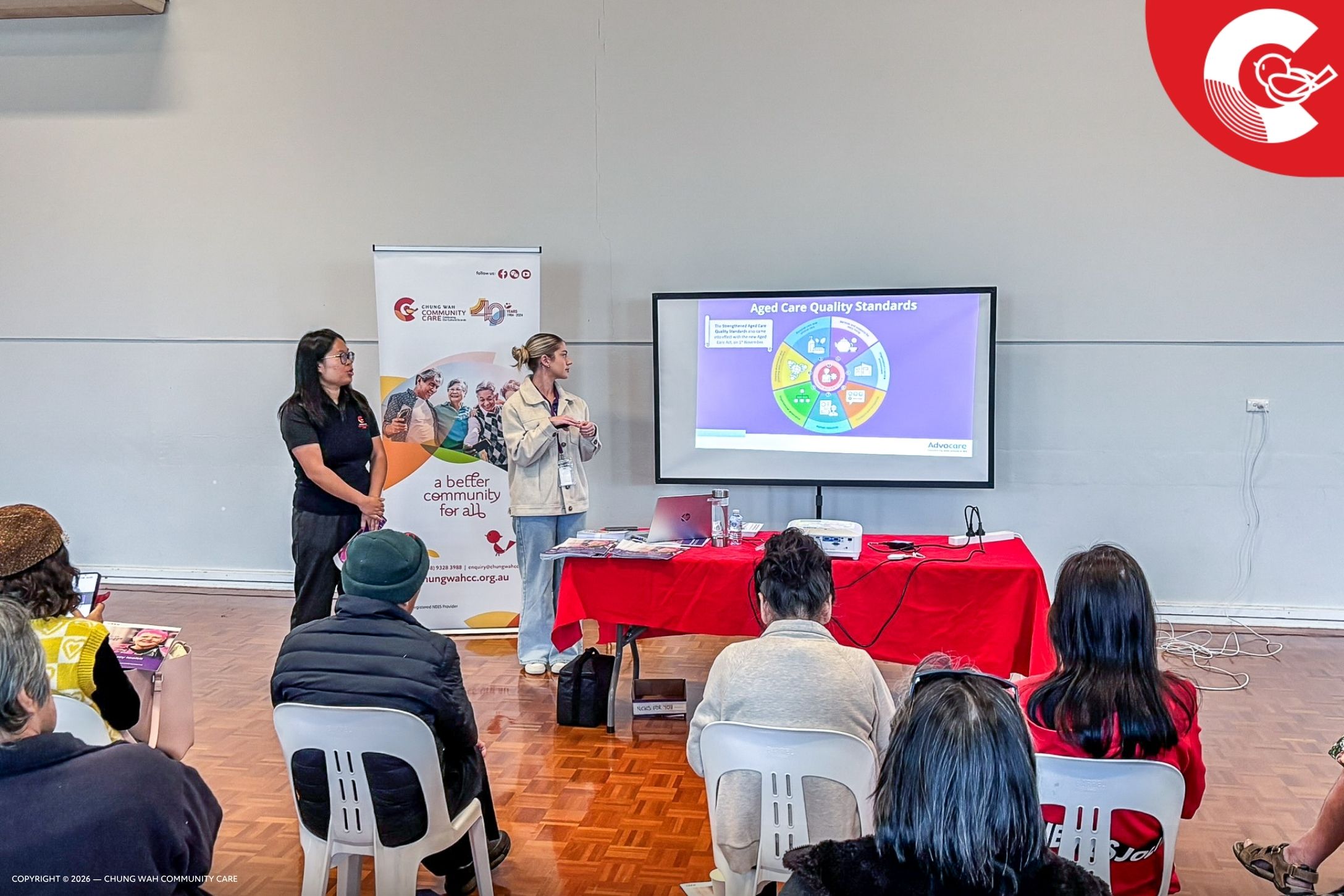
Another important topic was recognising and responding to elder abuse. Using guidance from the World Health Organisation, Advocare explained that elder abuse can include physical, emotional, financial, or sexual abuse, as well as neglect. It can also involve limiting an older person's independence or preventing them from maintaining relationships with family, friends, and the wider community.
The presenters emphasised that elder abuse is never acceptable. Recognising the warning signs and seeking help early are important steps in protecting an older person's safety, dignity, and wellbeing.
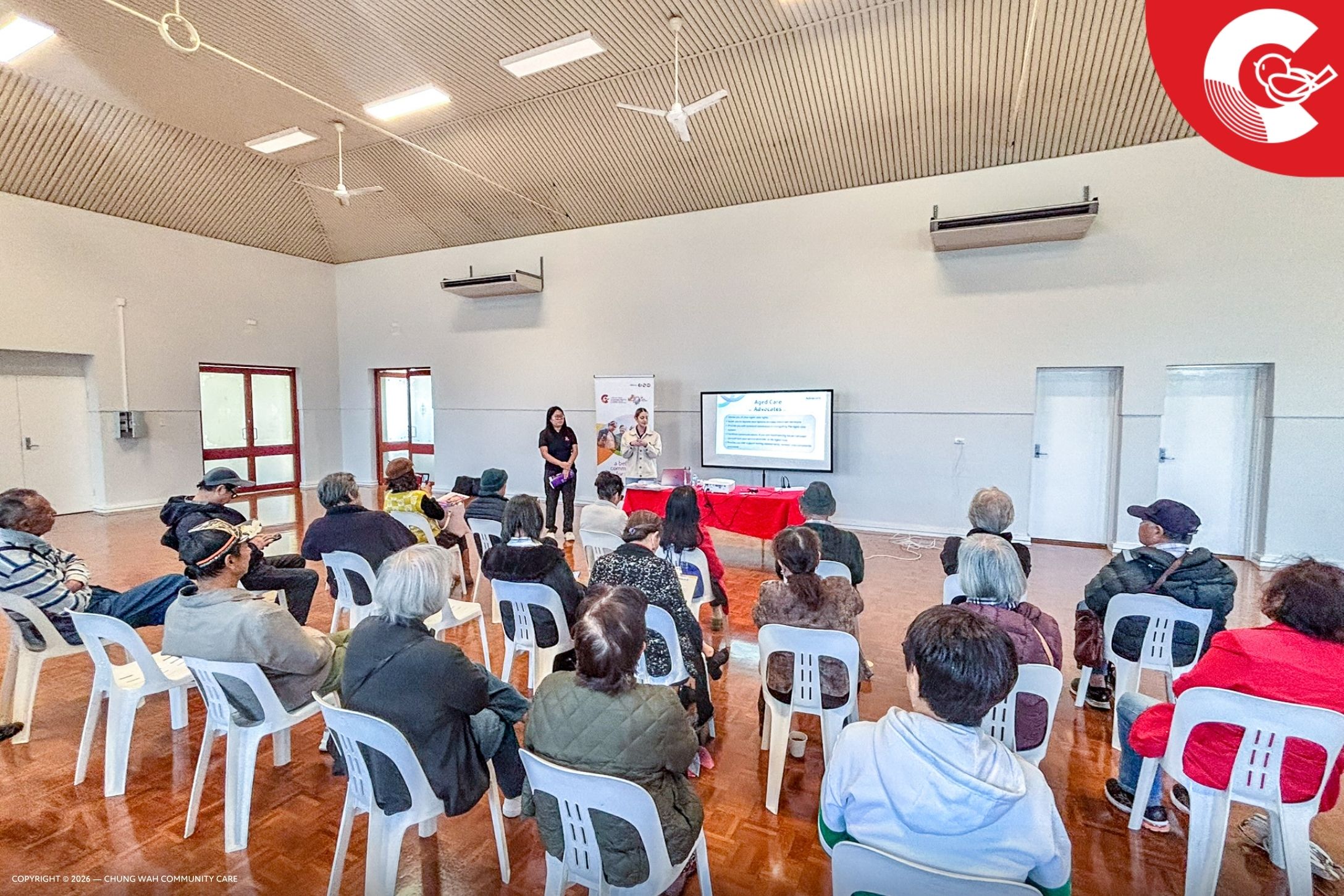
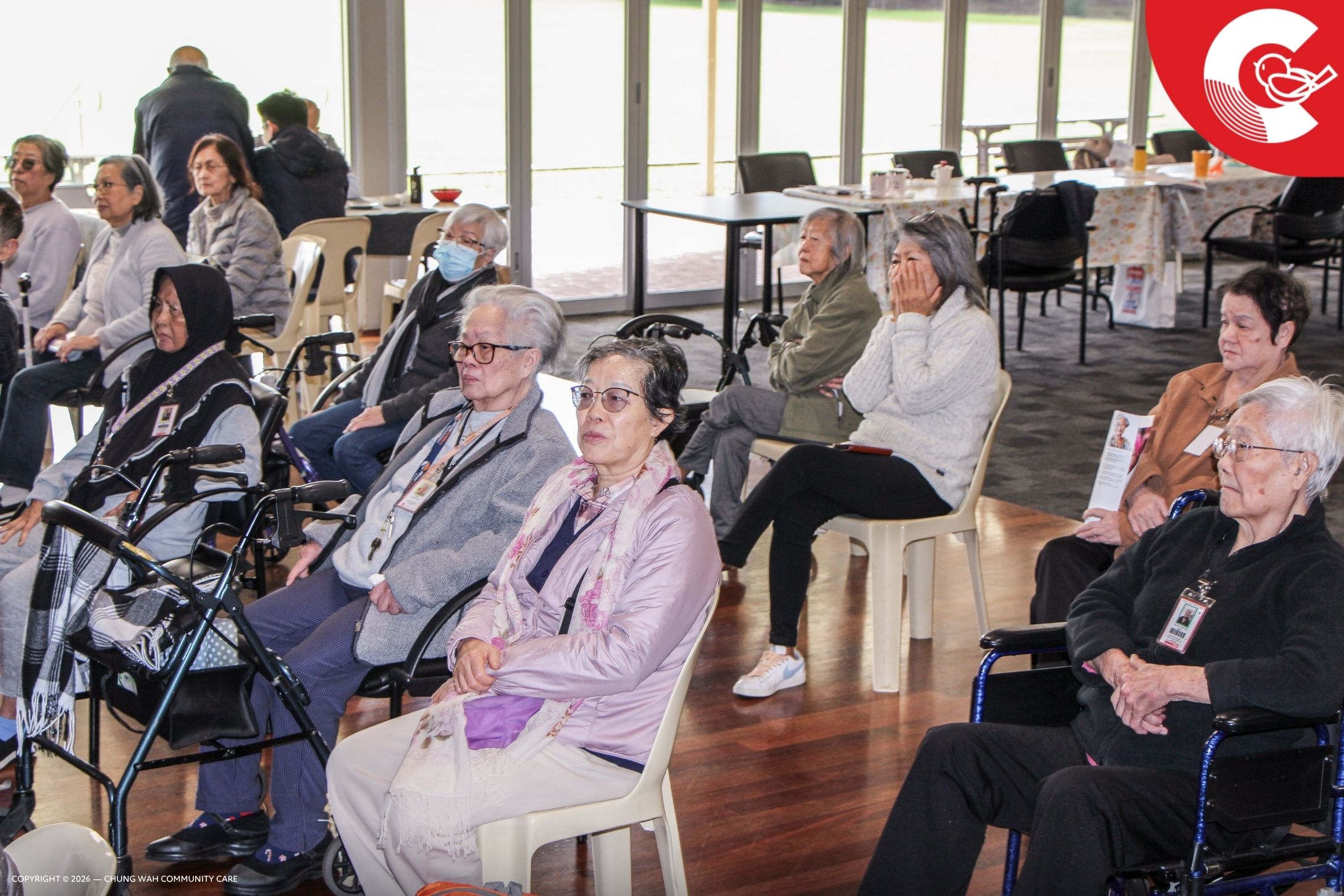
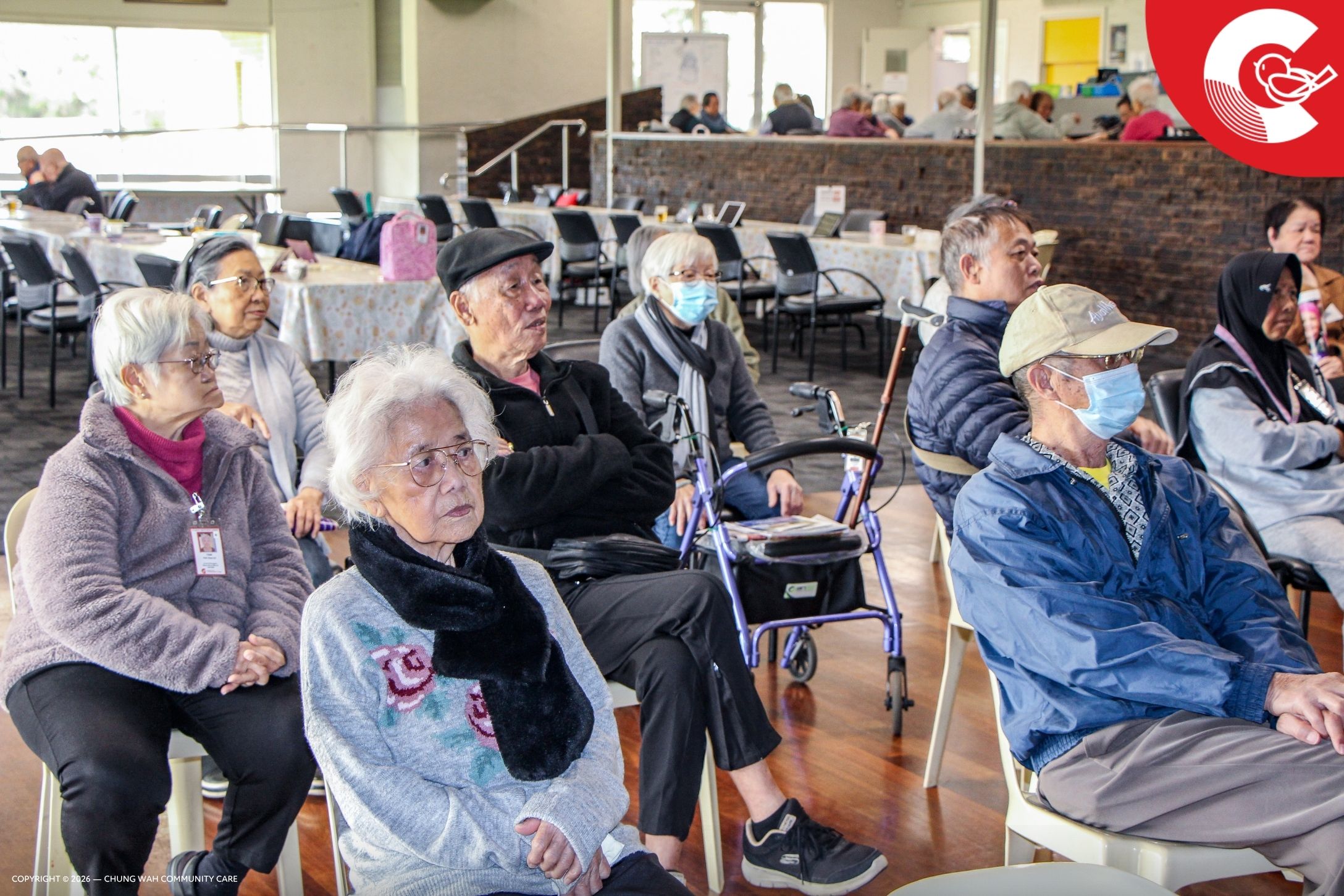
Throughout the sessions, participants actively shared their experiences and asked thoughtful questions about aged care, family caregiving, and the protection of their rights. These conversations helped build a stronger understanding of the available support services and advocacy, while reassuring participants that they are not alone when facing challenges.
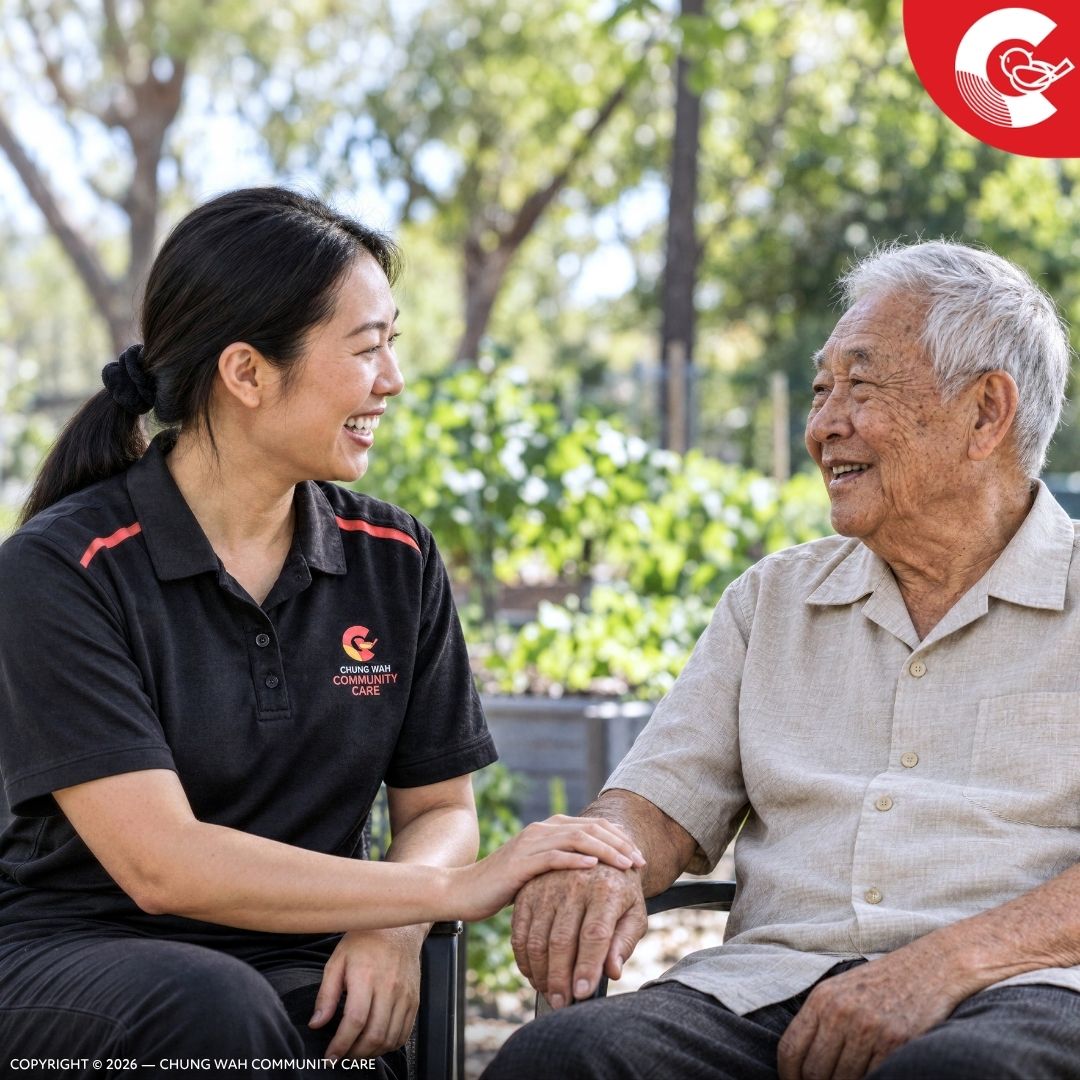
At CWCC, community education is about more than sharing information. It is about empowering older people to make informed choices, speak up with confidence, and continue living independently with dignity. Through ongoing education and partnerships with organisations like Advocare, CWCC is helping create a community where every older person feels respected, heard, and supported.