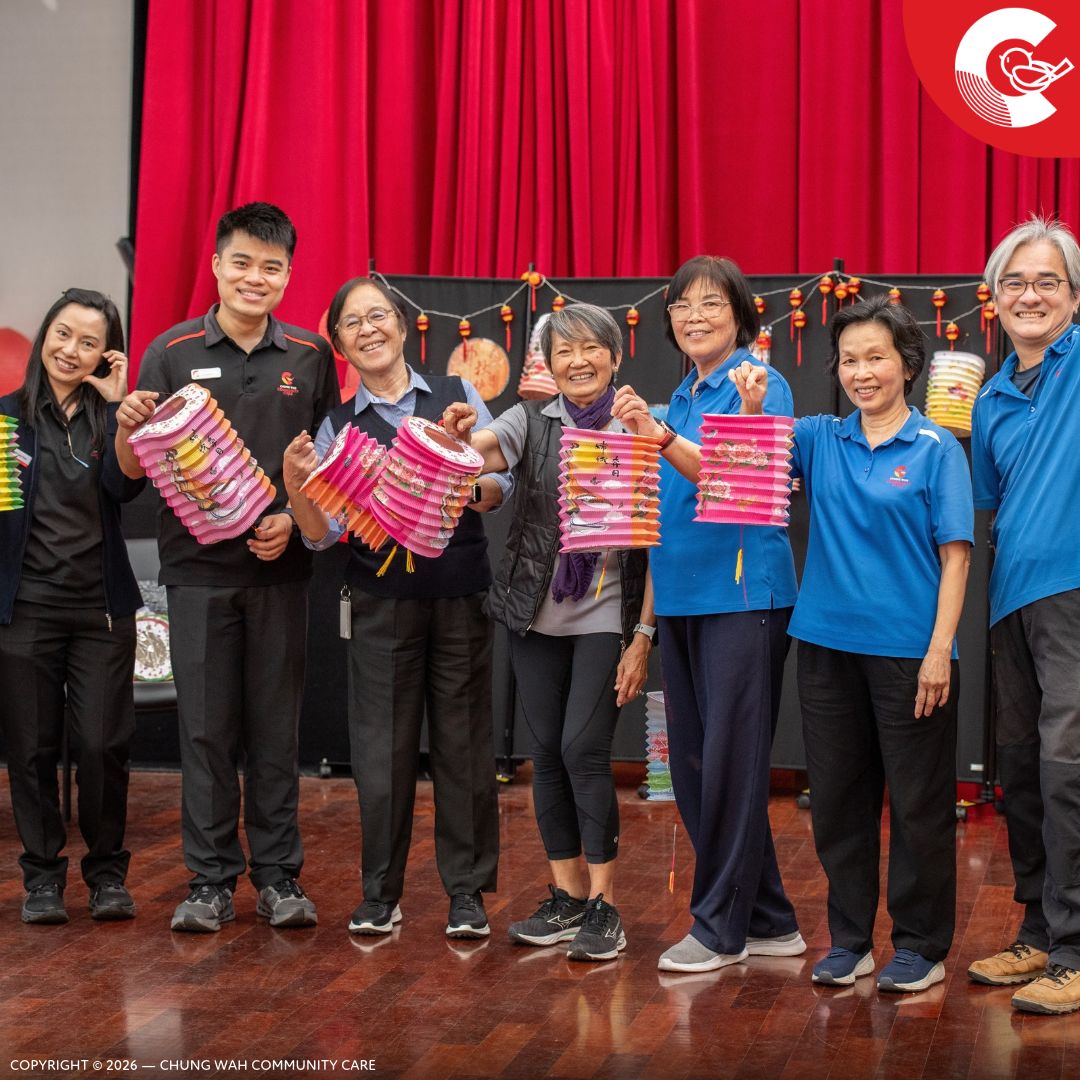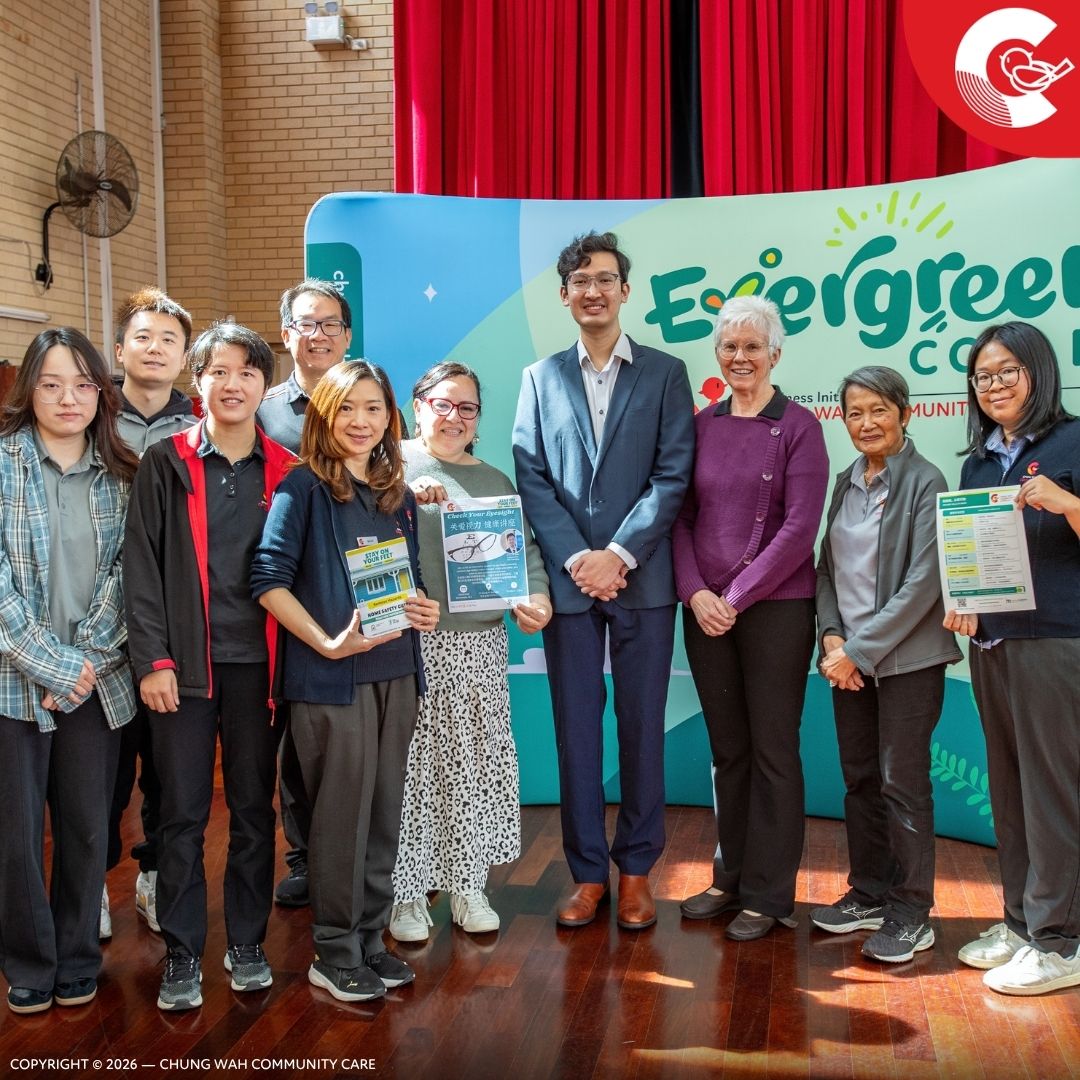
Joint pain, stiffness and reduced mobility can affect more than everyday activities. For older people, these challenges may also make it harder to get out, stay socially connected, and enjoy the activities that bring meaning to their lives.
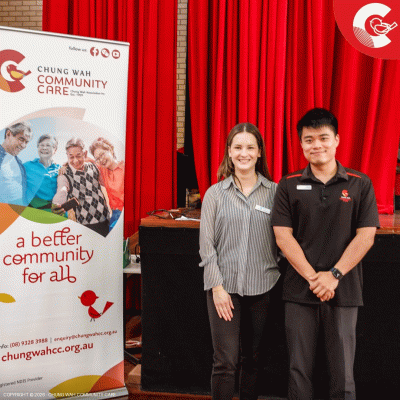
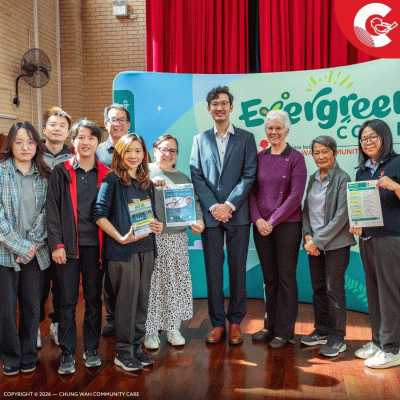
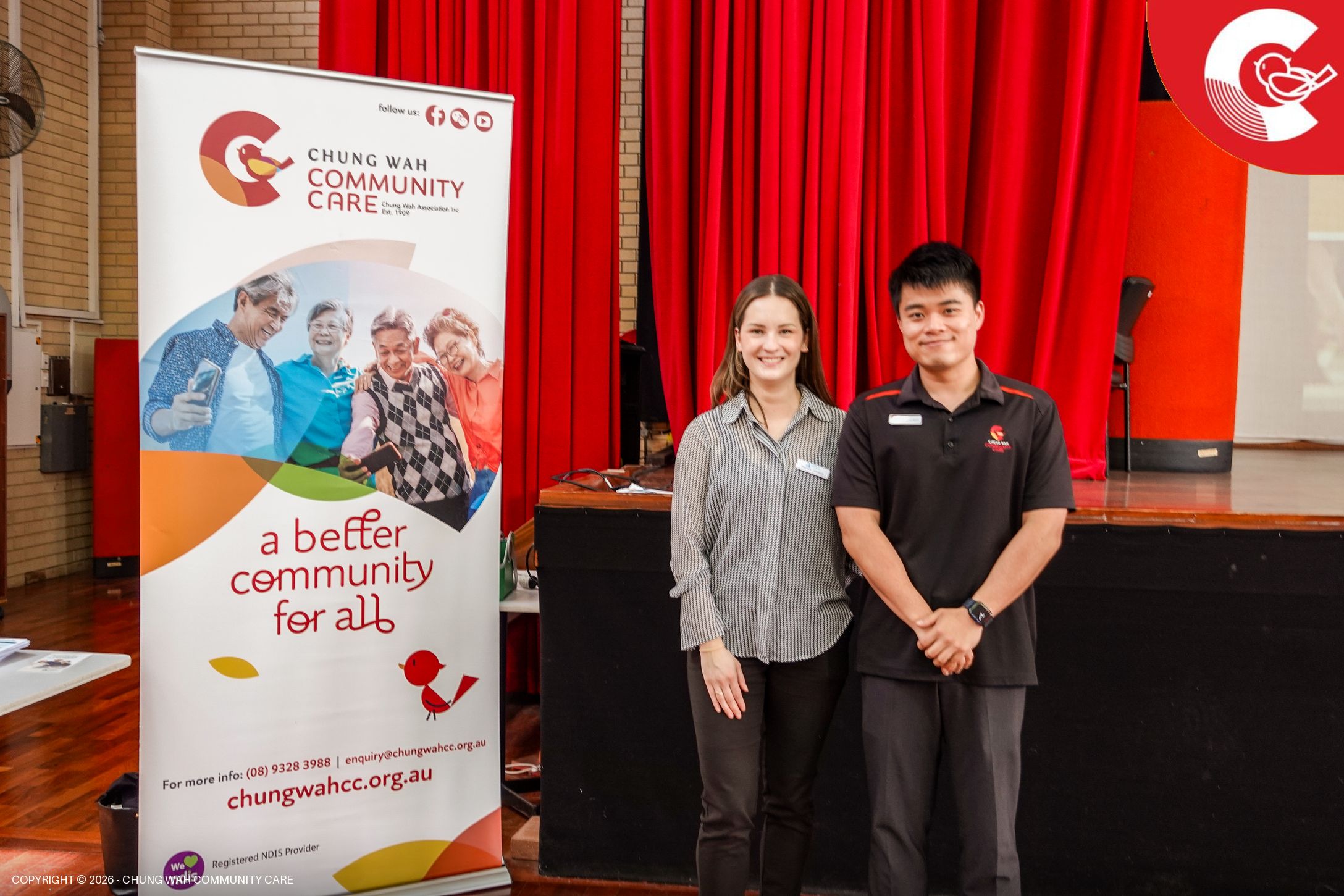
To help community members better understand arthritis and learn practical ways to manage the condition, Chung Wah Community Care (CWCC) hosted an arthritis health education session featuring a representative from Arthritis & Osteoporosis WA. The session encouraged older people to take an informed, proactive approach to managing their health and maintaining an active lifestyle.
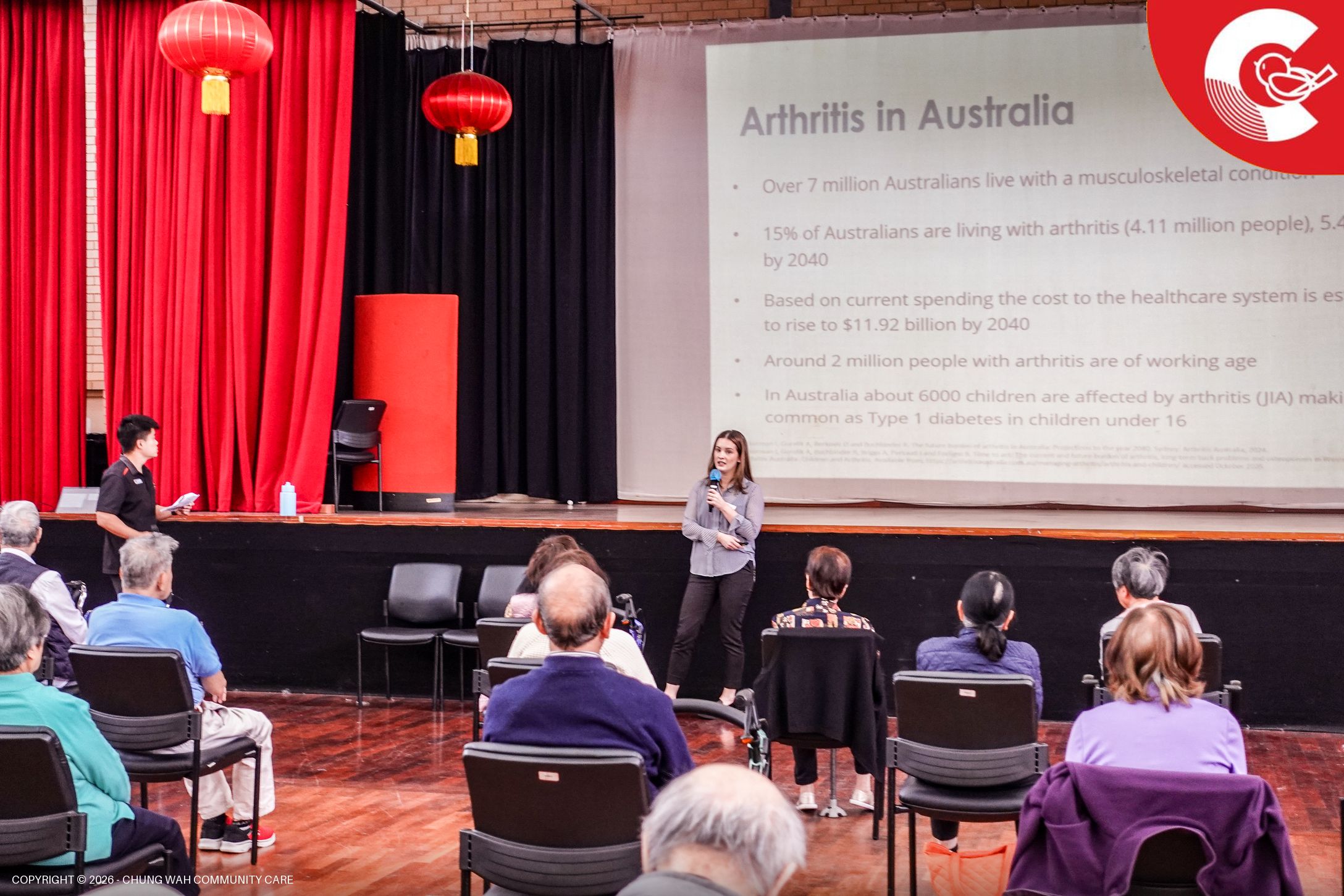
Across Australia, more than 7 million people live with arthritis or other musculoskeletal conditions, including approximately 4.11 million people with arthritis, that is around one in six Australians.
The session introduced common forms of arthritis, including osteoarthritis, rheumatoid arthritis and gout. Although these conditions have different causes and symptoms, they can all lead to pain, stiffness, and reduced mobility, affecting a person's quality of life. Participants also learned about factors that may contribute to arthritis, including genetics, previous joint injuries, body weight, nutrition, repetitive strain at work and other health conditions.
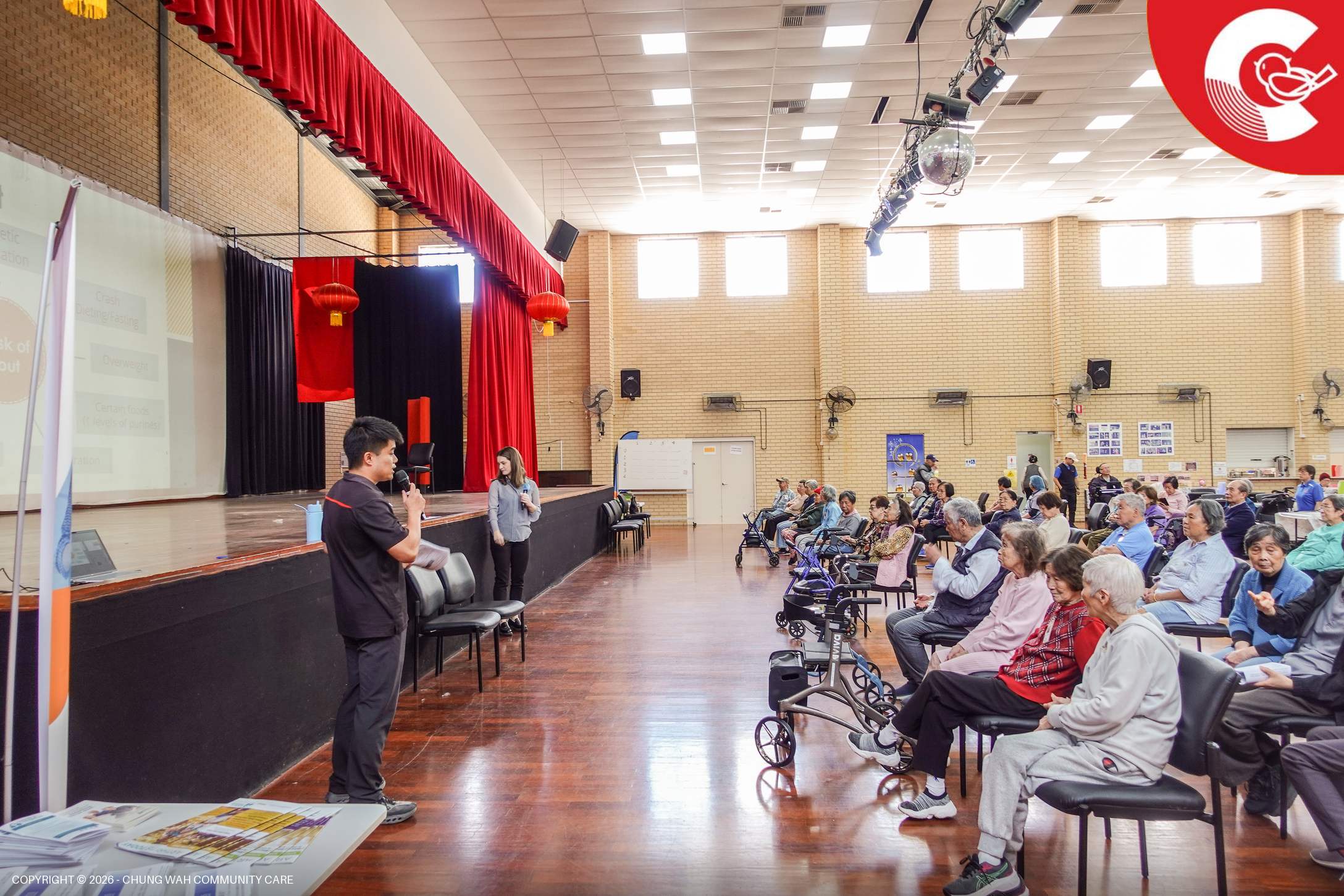
The presentation explored practical approaches to managing arthritis symptoms and improving everyday comfort. For some people, heat therapy, appropriate assistive devices and weight management may help relieve discomfort and support daily activities. Participants were also introduced to pain management strategies such as relaxation techniques, breathing exercises and cognitive behavioural approaches, recognising that managing chronic pain involves both physical and emotional wellbeing.
For those concerned that exercise might worsen joint pain, the session highlighted an important message: staying physically active can play a valuable role in managing arthritis.
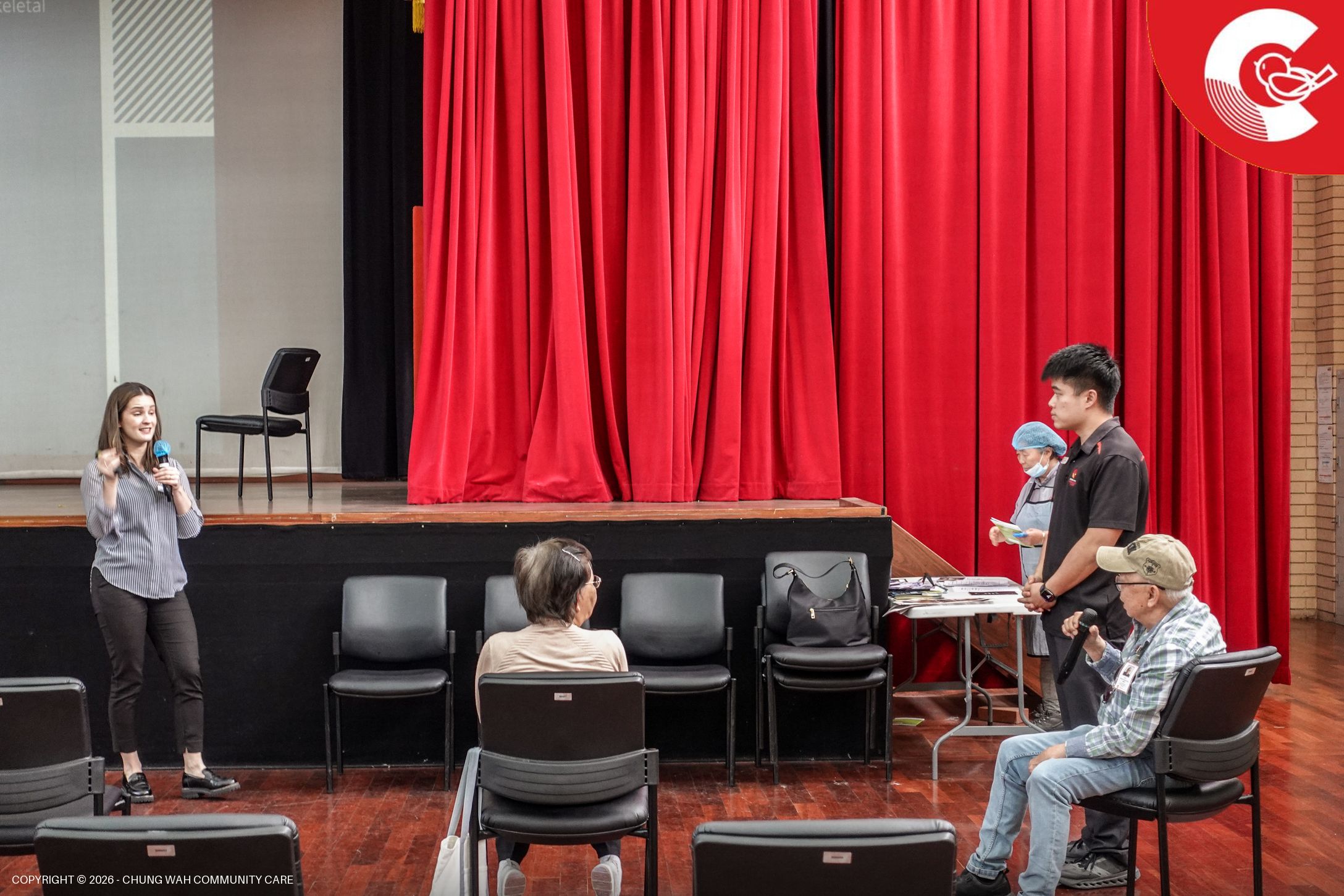
With appropriate guidance, regular physical activity can improve joint flexibility, build muscle strength, enhance balance, and support bone health. Stronger muscles better support the joints, and staying active can also benefit sleep, mood, and overall fitness. In contrast, prolonged inactivity may contribute to muscle weakness, weight gain and further limitations in mobility.
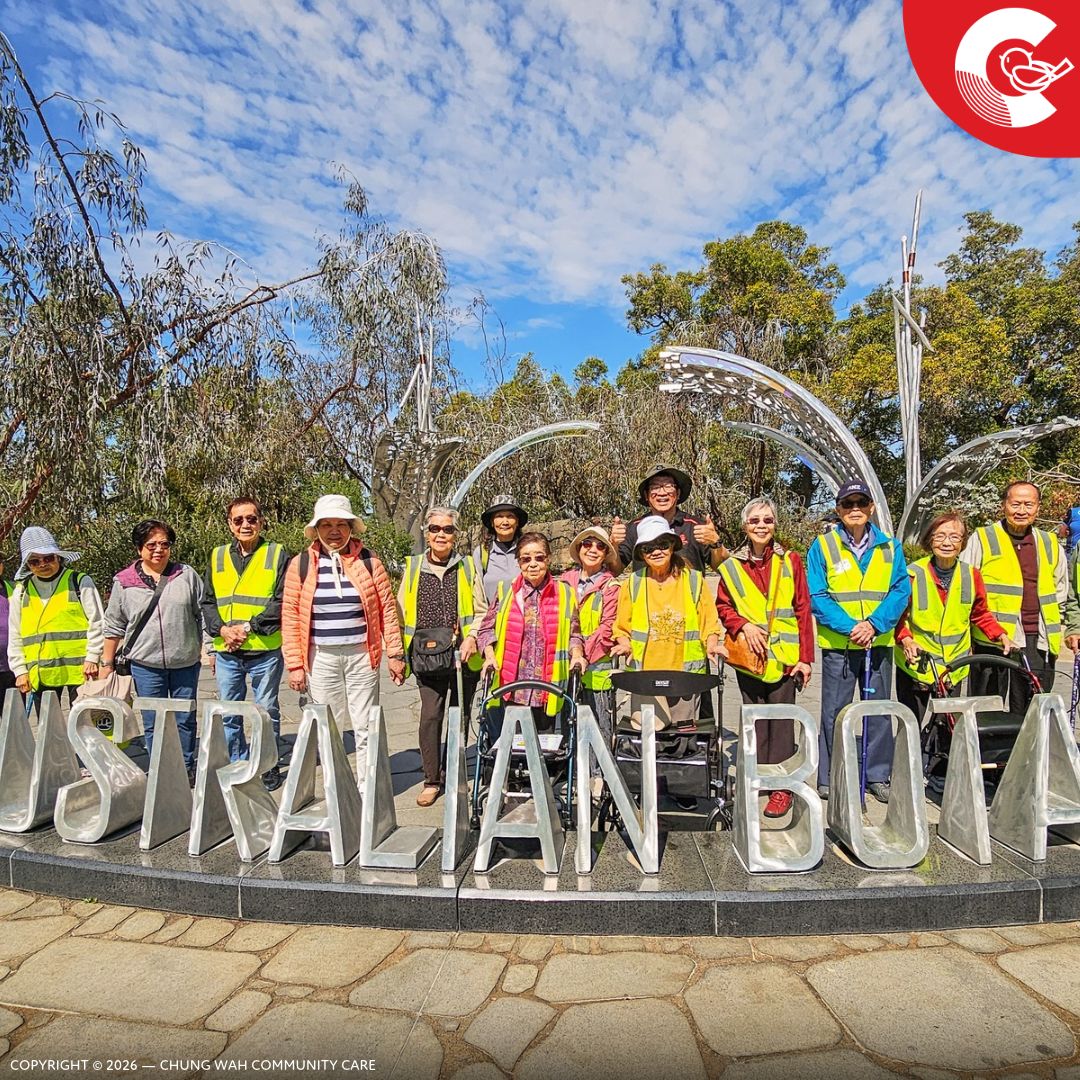
For older people, good health is about more than preventing or treating illness. It is also about participating in community activities, maintaining friendships, and continuing to enjoy a fulfilling life. When chronic pain or mobility difficulties make it harder to leave home, opportunities for social interaction can gradually become more limited.
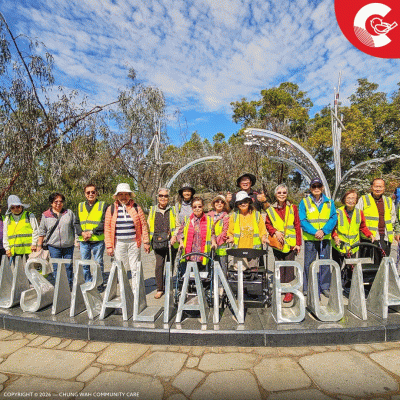
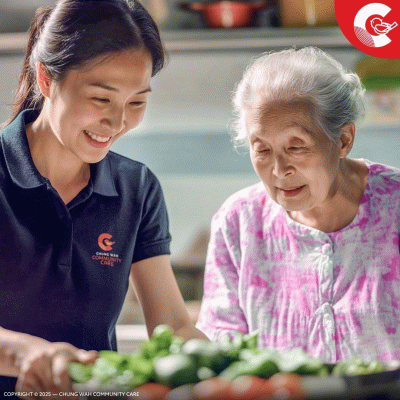
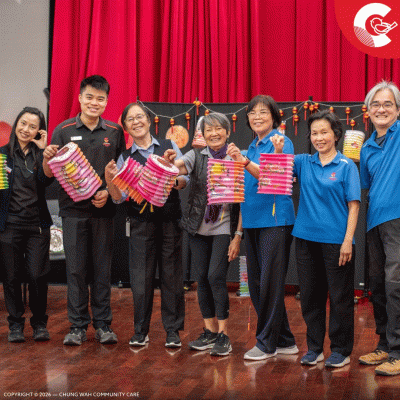
This is why CWCC places importance on health education as part of its wider commitment to community wellbeing. Through its community services, educational sessions, and diverse range of activities, CWCC helps older people from different cultural backgrounds access practical information, build social connections, and remain involved in community life in a familiar and welcoming environment.
For people from culturally and linguistically diverse backgrounds, clear, accessible health information can make a meaningful difference. It reduces barriers to understanding health conditions, builds confidence in communicating with healthcare professionals, and supports informed decisions about personal wellbeing.