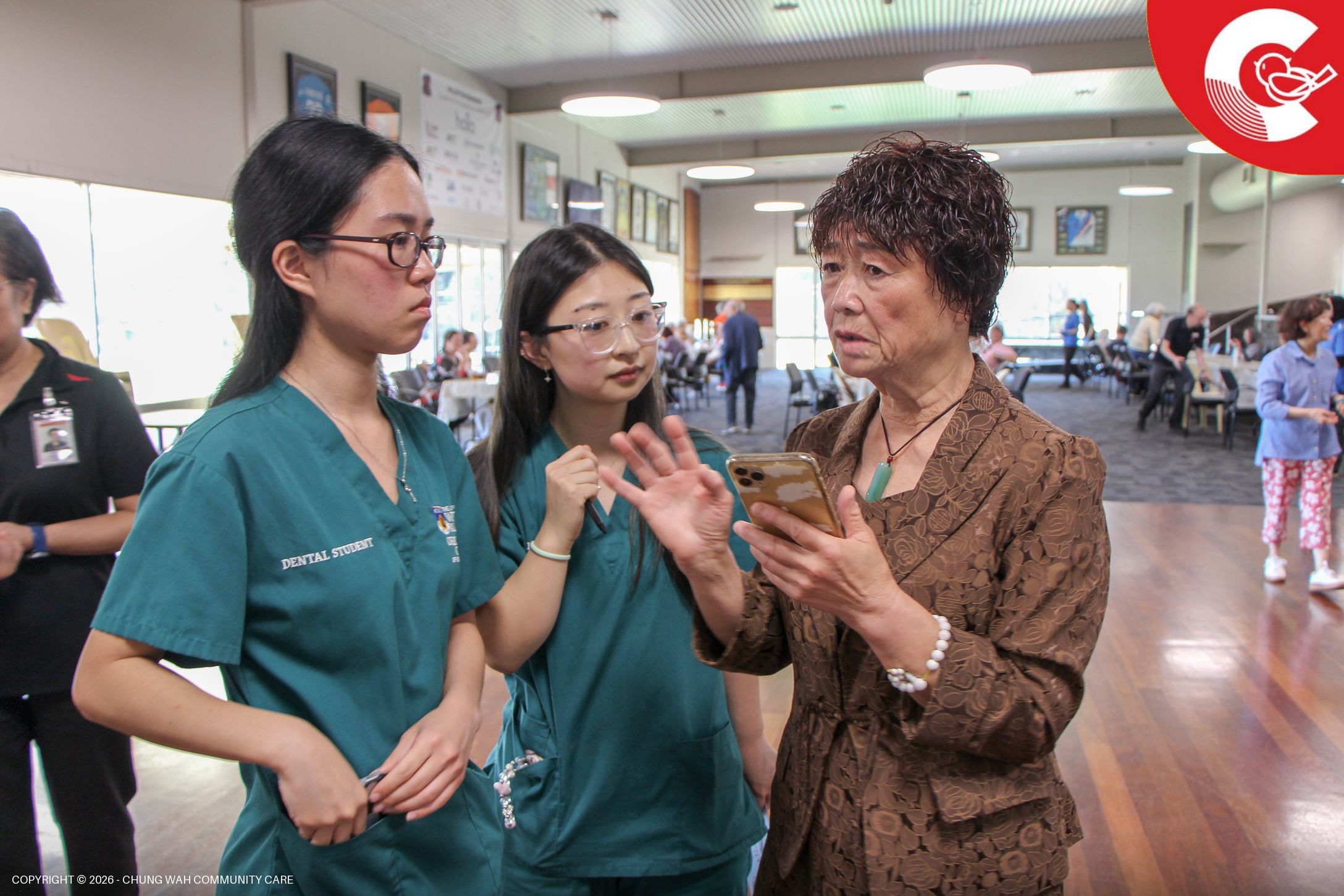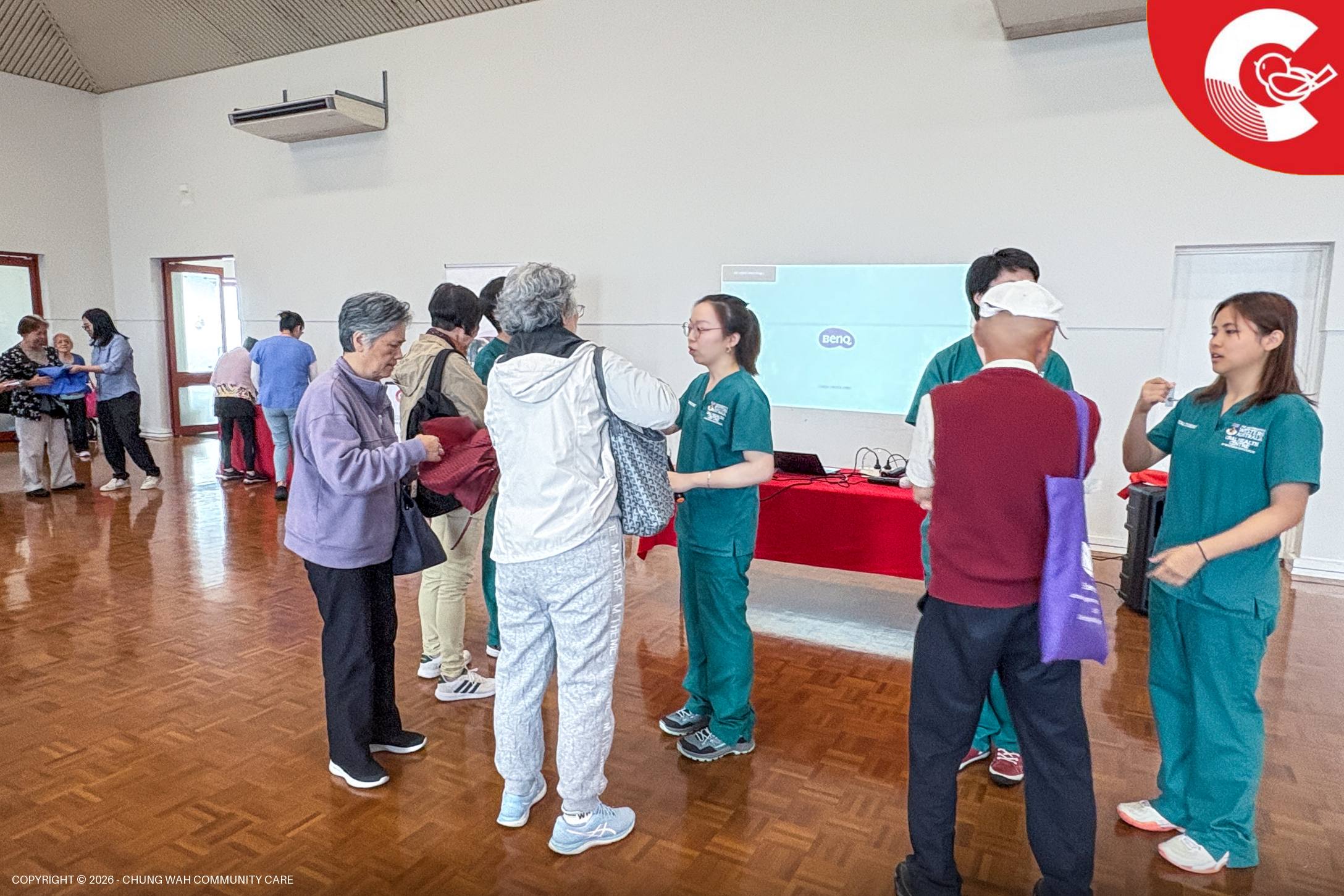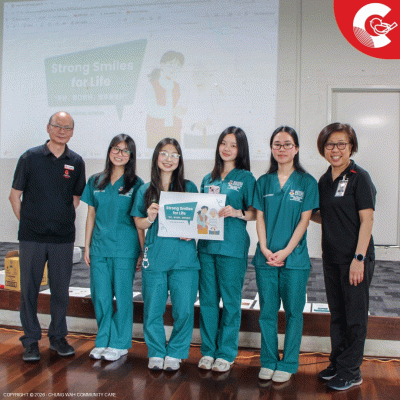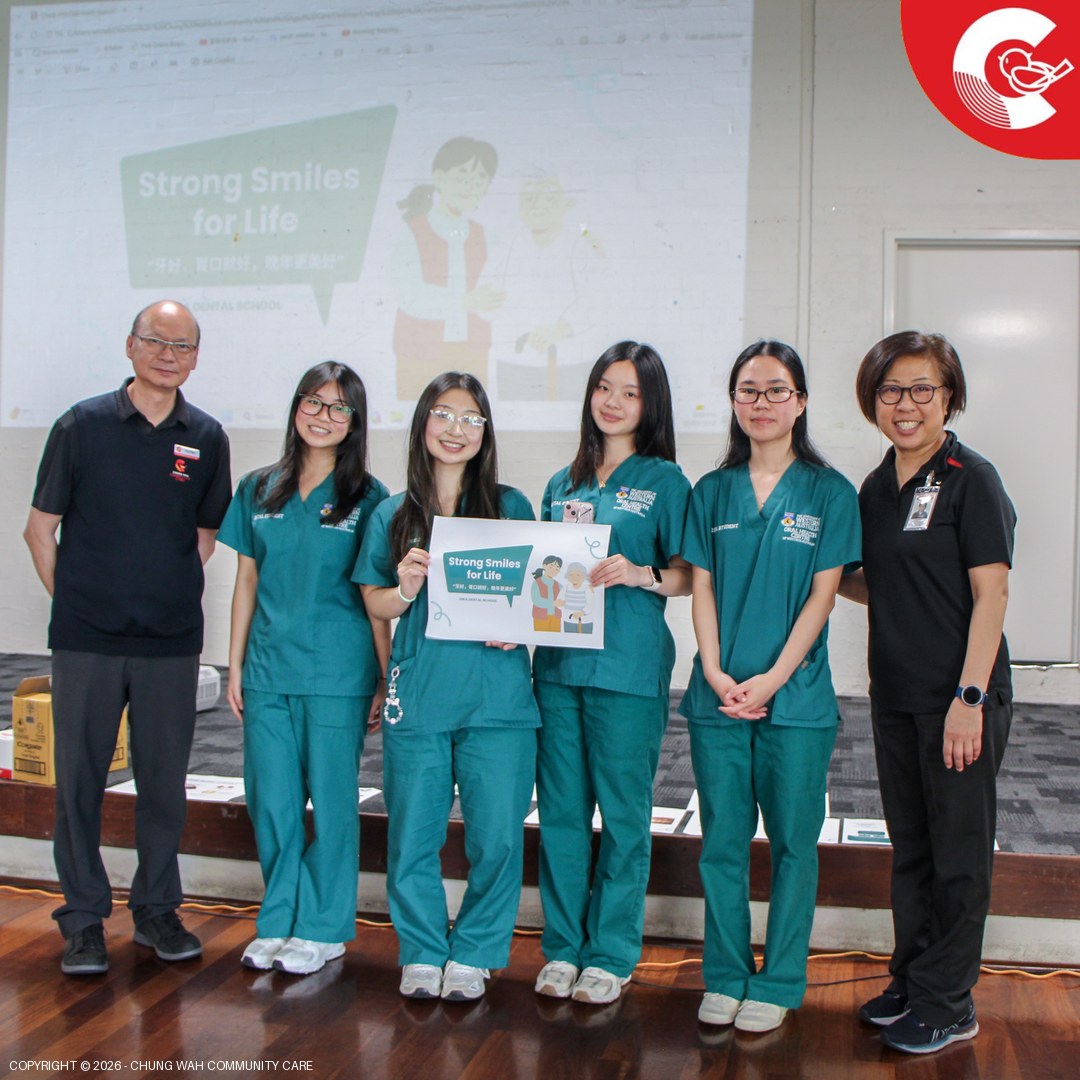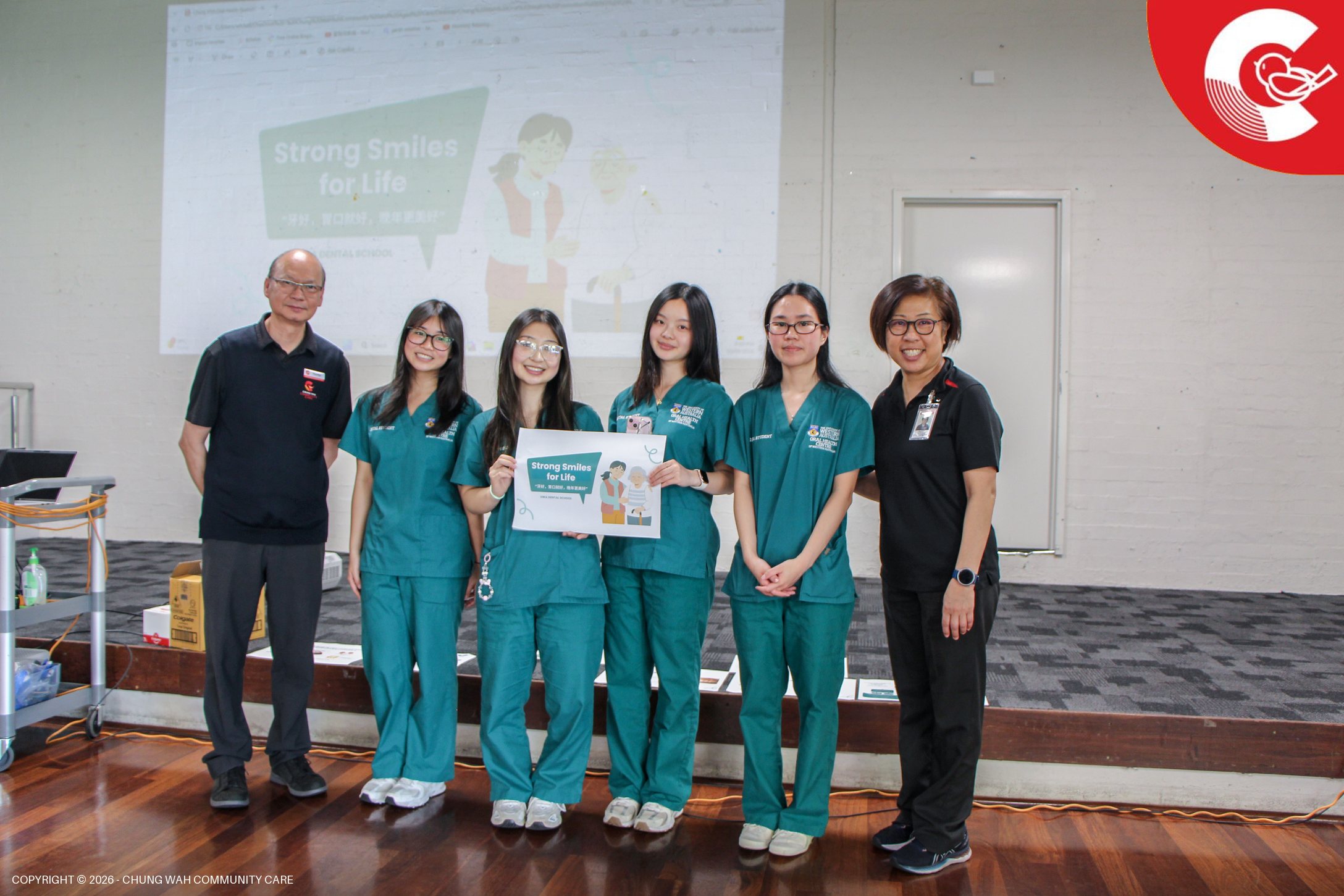
Looking after your smile means so much more than just caring for your teeth and gums. For many older adults, good oral health helps you enjoy your favourite foods, connect with friends and family, and feel your best every day. That’s why we at Chung Wah Community Care (CWCC) were thrilled to welcome four dental students from The University of Western Australia (UWA) to our Community Hub, where they led an engaging and friendly oral health education session called “Healthy Teeth, Happy Smiles.”
As we get older, we may notice changes in our mouths, like sore gums, sensitive teeth, dryness, or issues with dentures. These problems can make it harder to enjoy our favourite meals, try new foods, or even have a comfortable conversation with friends. Sometimes, they can make us feel less confident or less willing to be outgoing. Taking care of our oral health helps us keep enjoying life’s little pleasures and stay connected with the people around us.
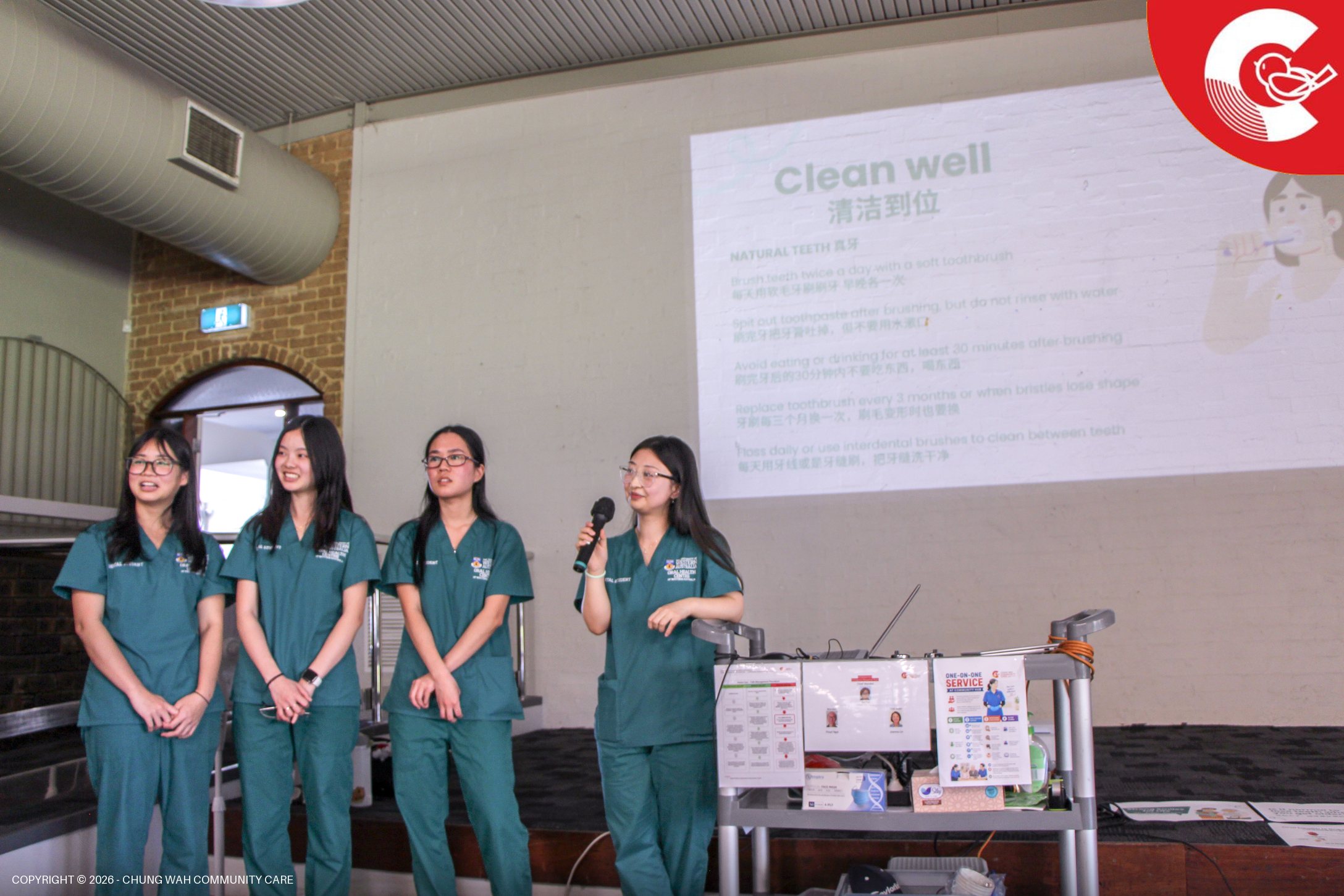
The session explored common oral health concerns among older people, including swollen or inflamed gums, bleeding when brushing, persistent bad breath, tooth sensitivity, and loose teeth. Participants learned that some gum problems may develop without pain in the early stages, so they should not overlook potential issues just because they do not hurt.
The students encouraged participants to arrange a dental check-up if they experience persistent gum bleeding or loose teeth. They also explained when more urgent attention may be needed. Significant facial swelling with fever requires prompt medical assessment, while difficulty breathing or swallowing warrants an immediate call to Australia’s emergency number, 000.
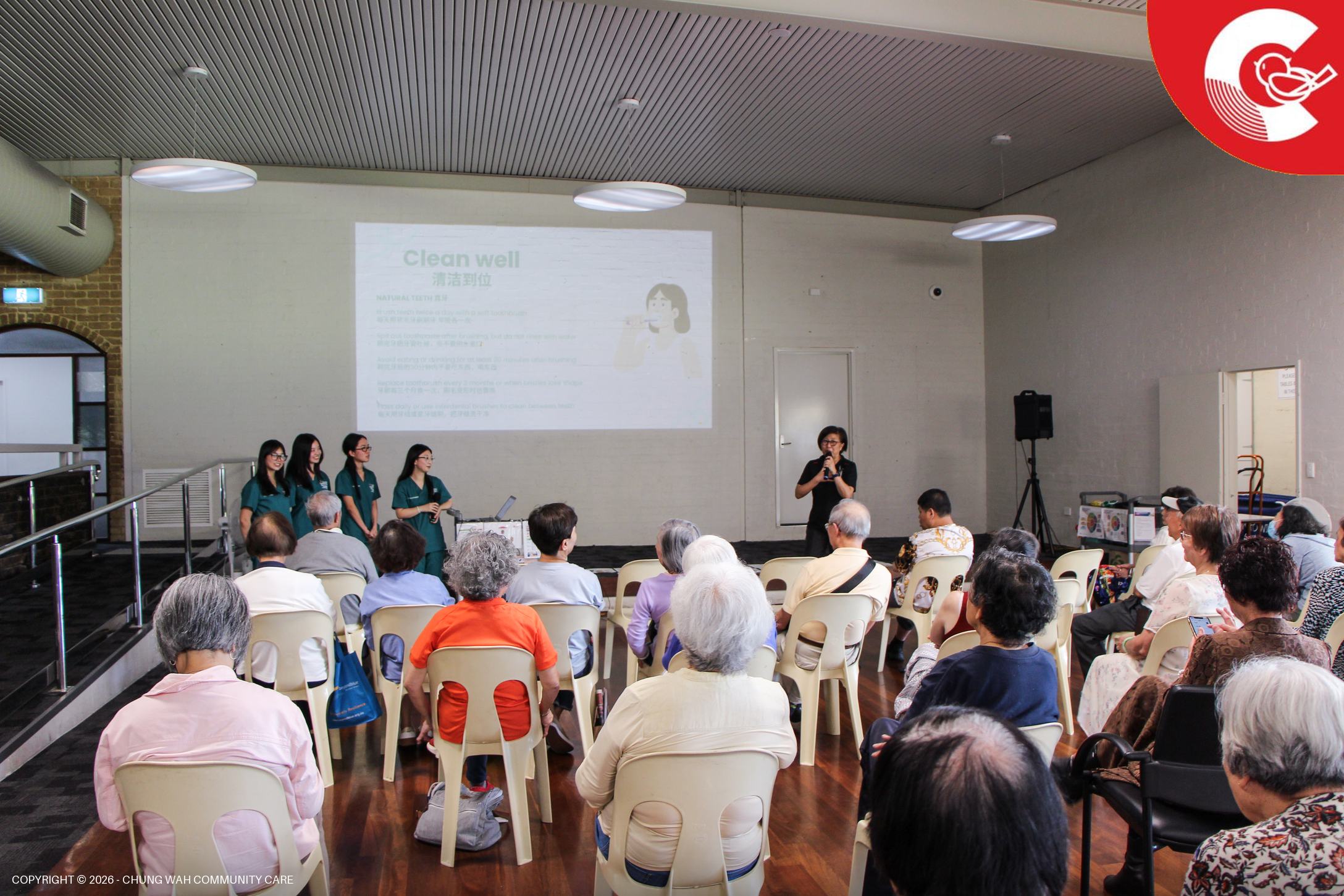
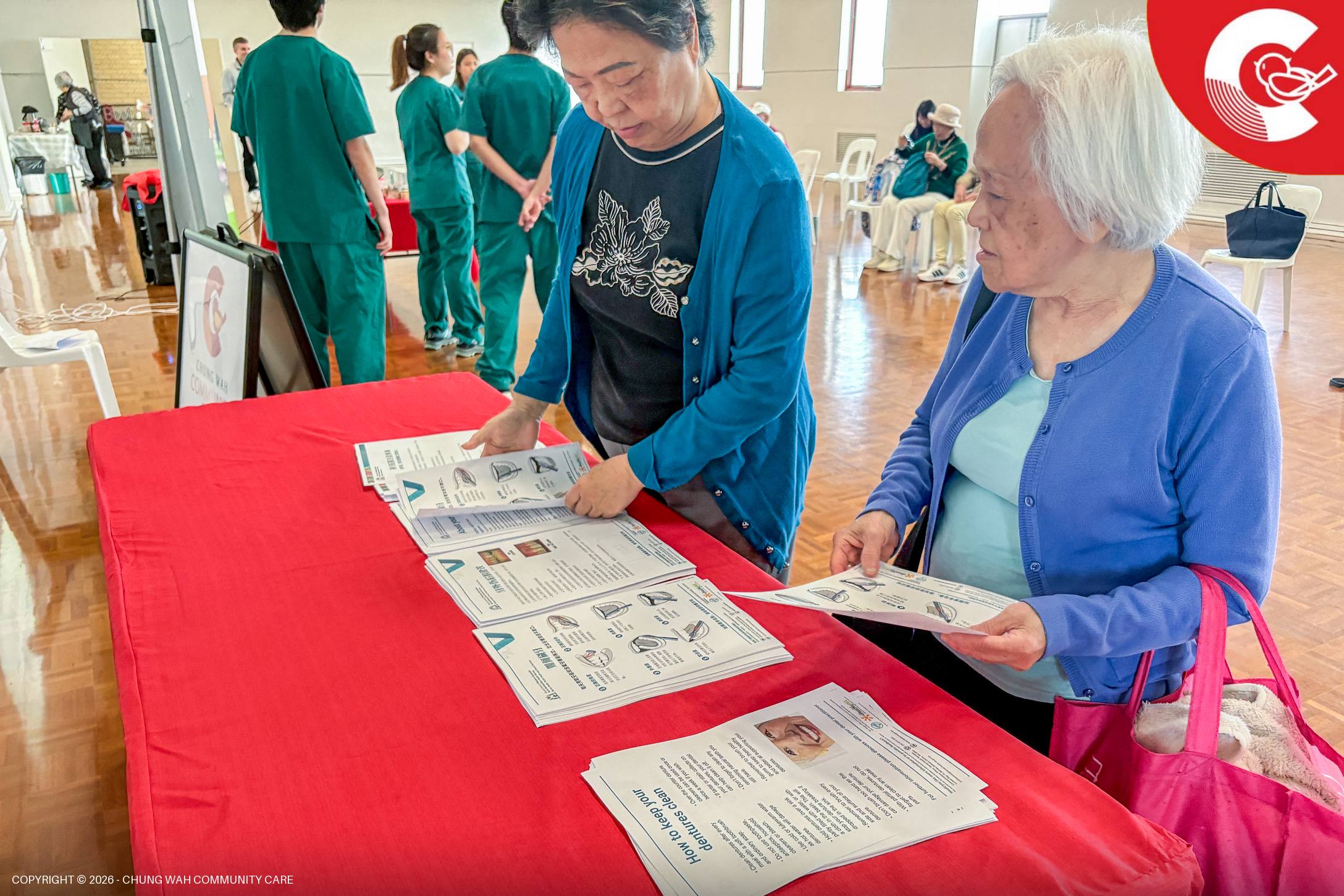
For participants who wear dentures, the session provided practical guidance on cleaning and maintenance, including rinsing dentures after meals, brushing them gently and storing them appropriately. Participants were advised to seek professional dental assistance if their dentures become loose, cause soreness, or break, rather than attempting to file them down or repair them with household glue.
The students also explained the basic process of receiving dentures, from the initial examination and discussion of treatment options through to denture fabrication, fitting, adjustments and follow-up appointments. By simplifying the process, the session helped participants better understand what to expect from dental care.
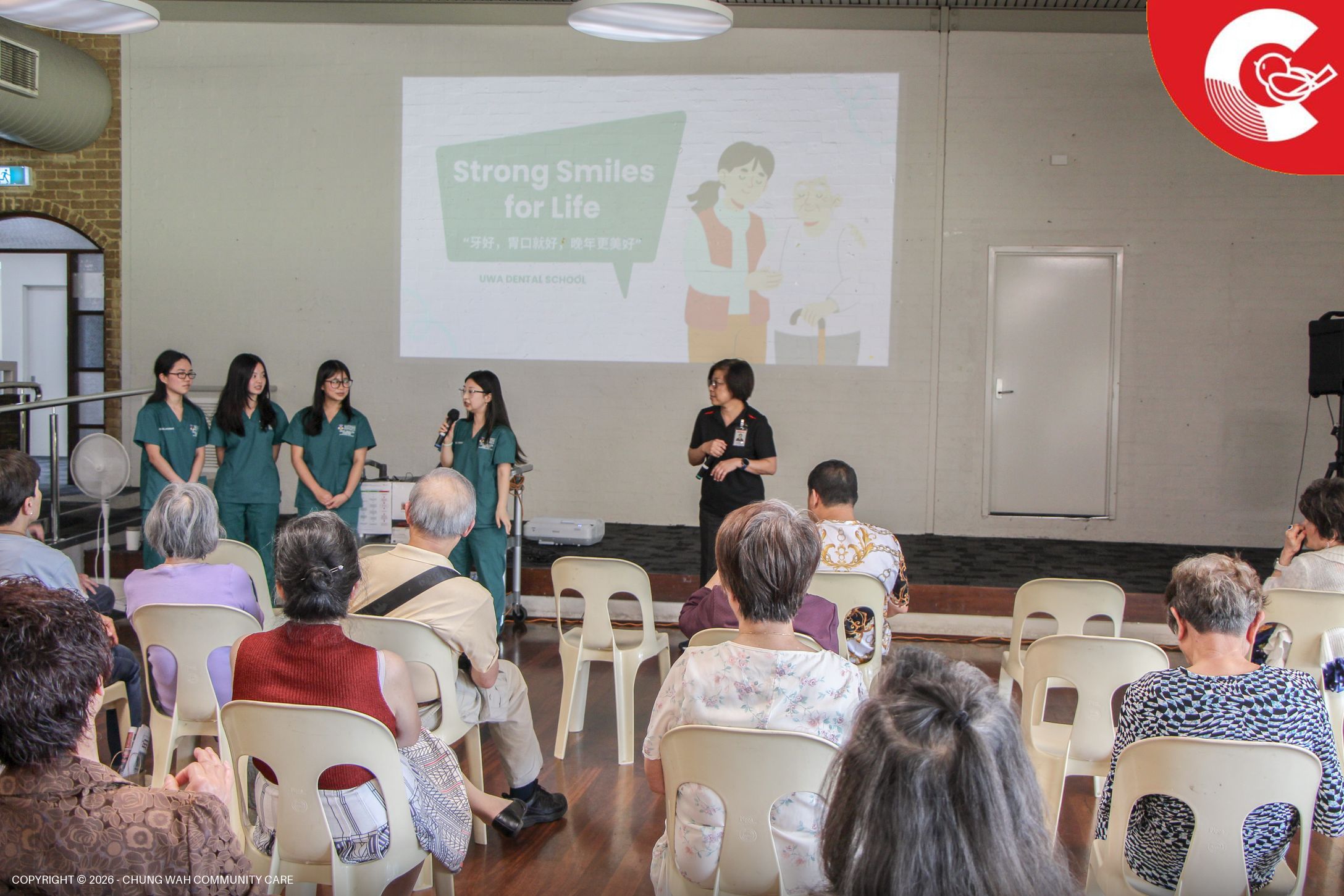
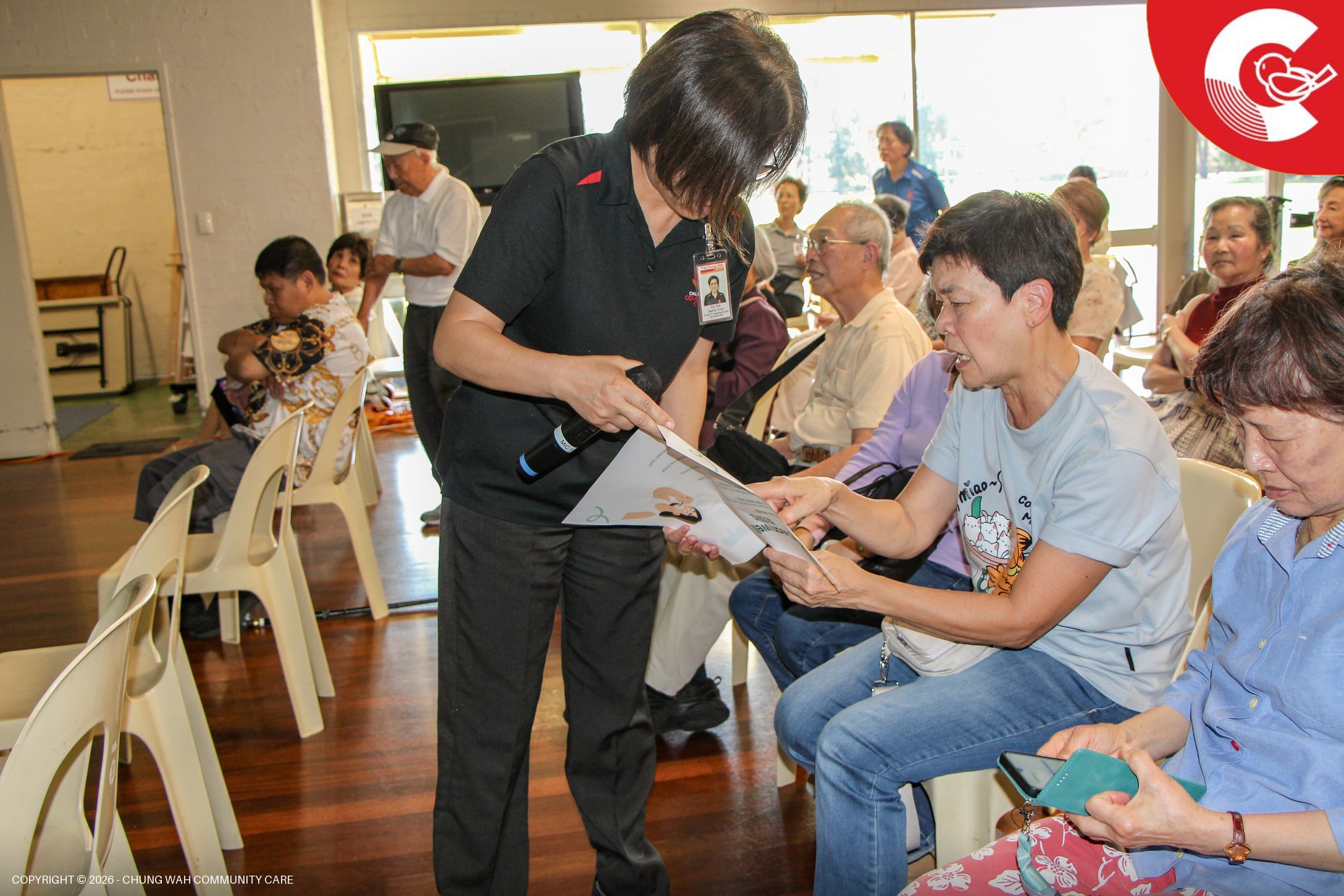
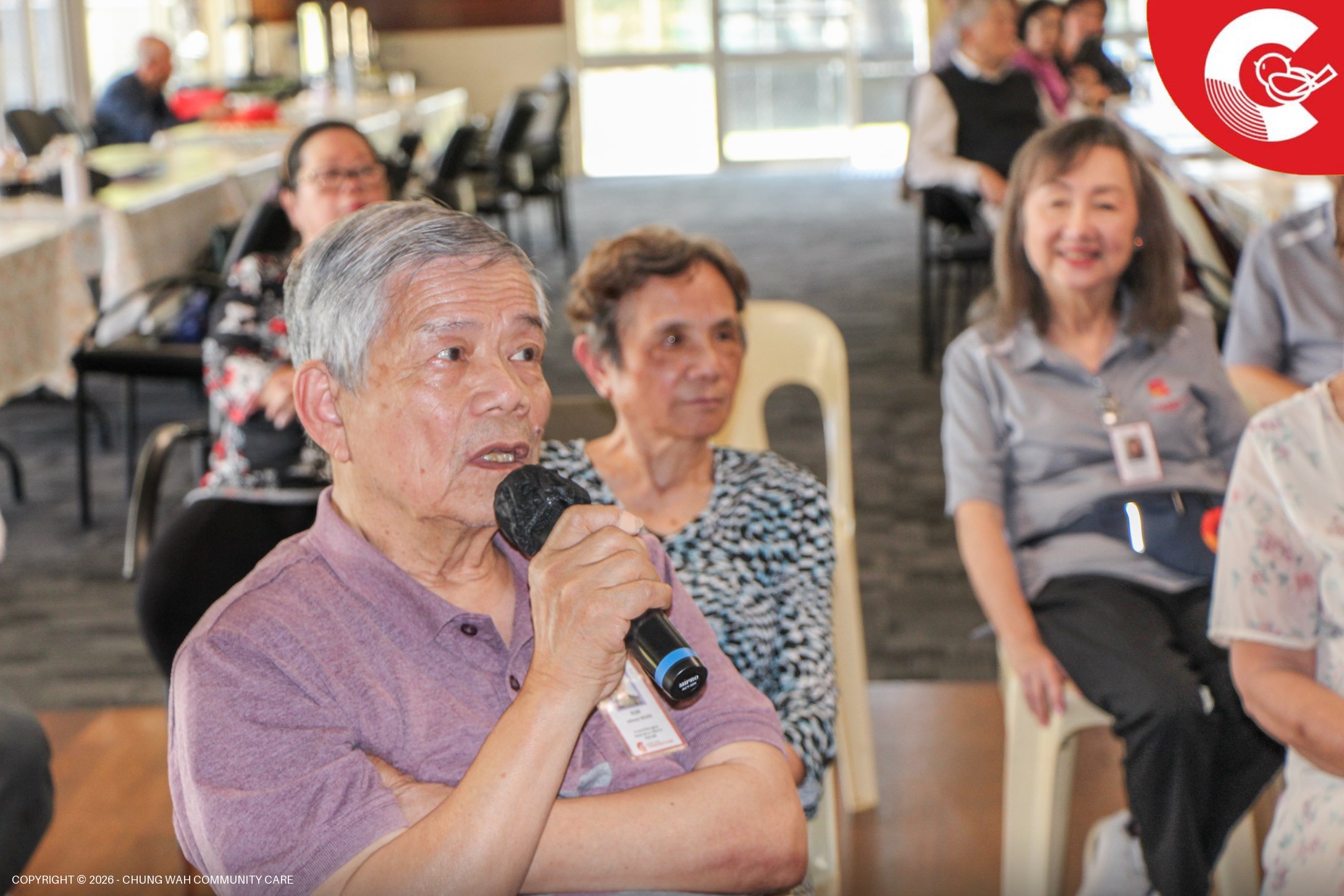
Throughout the presentation, participants engaged enthusiastically with the students and used the Q&A session to ask questions about their own oral health. At the end of the event, everyone received oral health information leaflets and small tubes of toothpaste, which provided useful reminders to take home and helped them incorporate good oral care practices into their daily routines.
Beyond sharing practical health knowledge, the session also strengthened the connection between university education and community service. While older participants benefited from accessible oral health information, the dental students gained valuable hands-on experience in community health education. They could translate their professional knowledge into clear, everyday language and respond directly to the real needs and concerns of older community members.
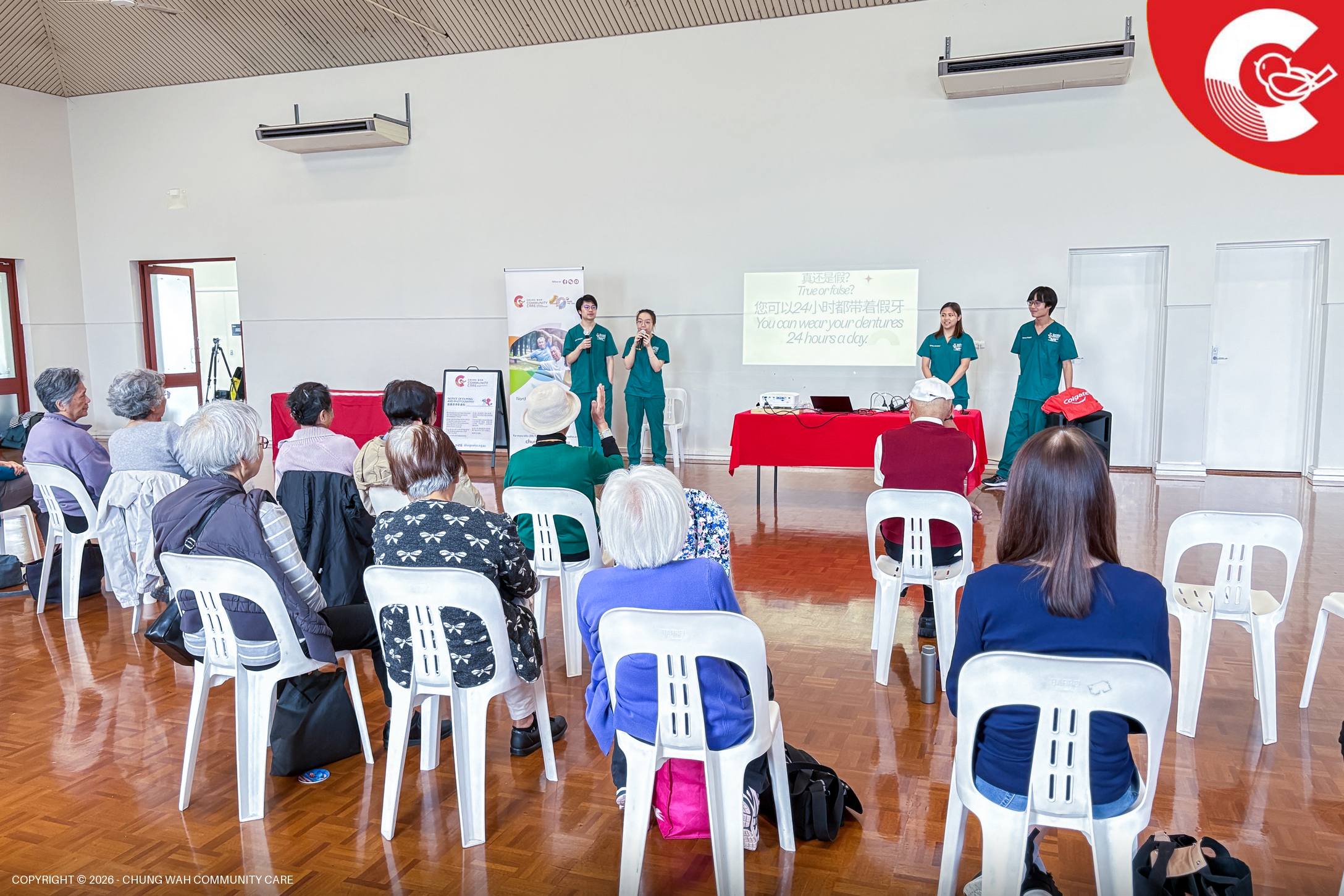
Healthy ageing requires a shared commitment from healthcare professionals, educational institutions, and the wider community. Through ongoing health education initiatives, CWCC aims to help older people strengthen their ability to care for their own health, while creating opportunities for emerging healthcare professionals to contribute their knowledge and skills to the community.
Together, these efforts help foster a healthier, more supportive community where people of different generations can learn from and support one another.