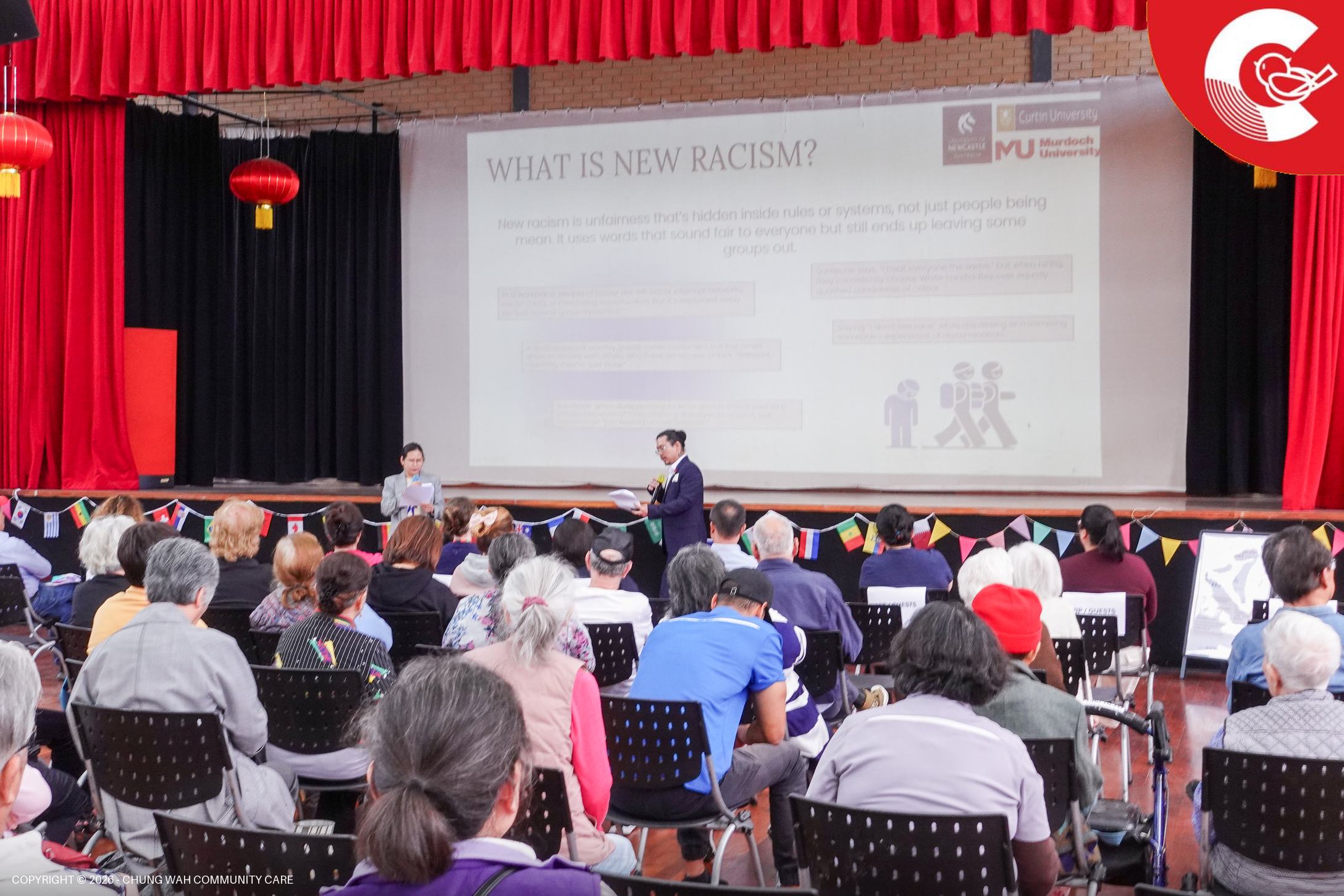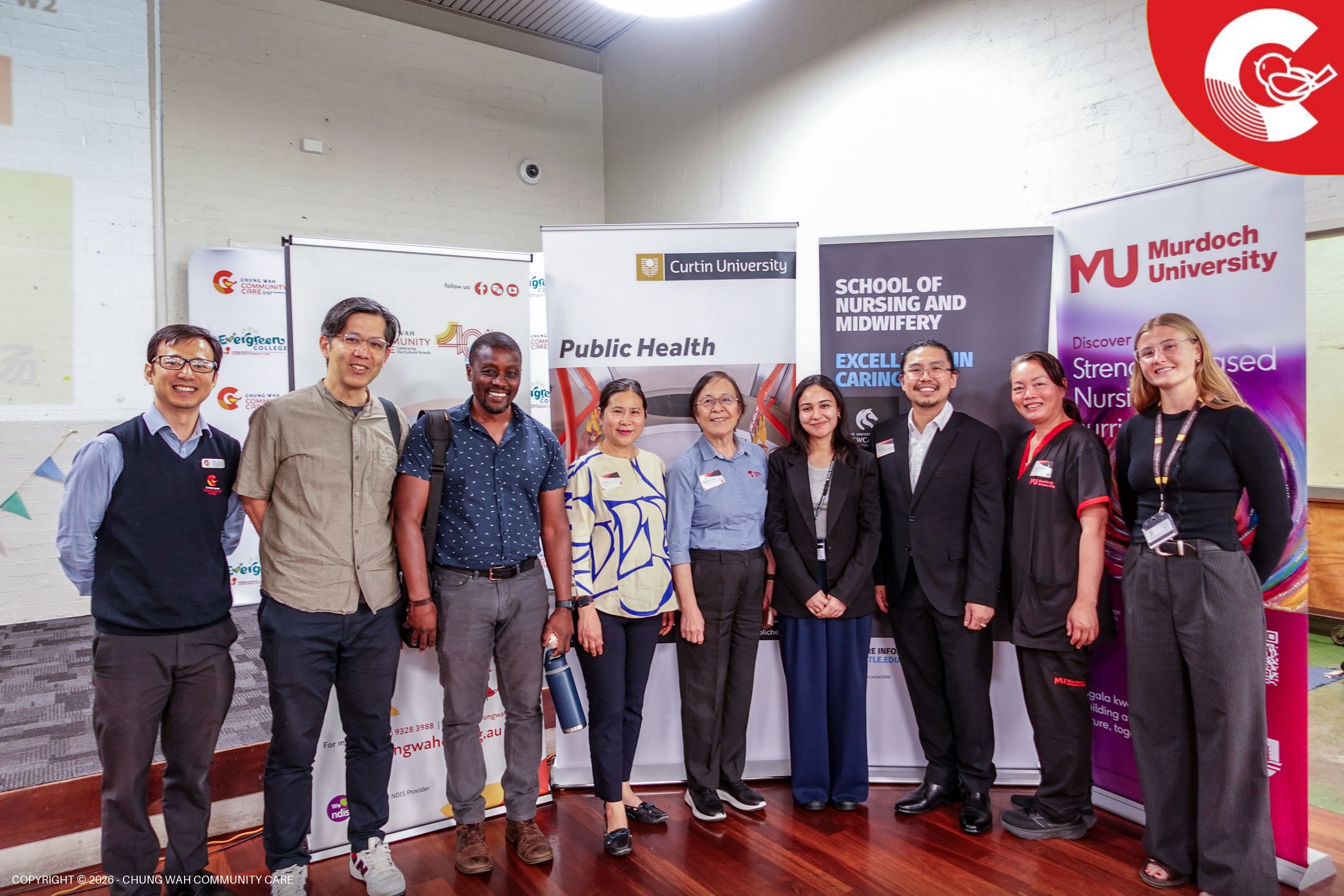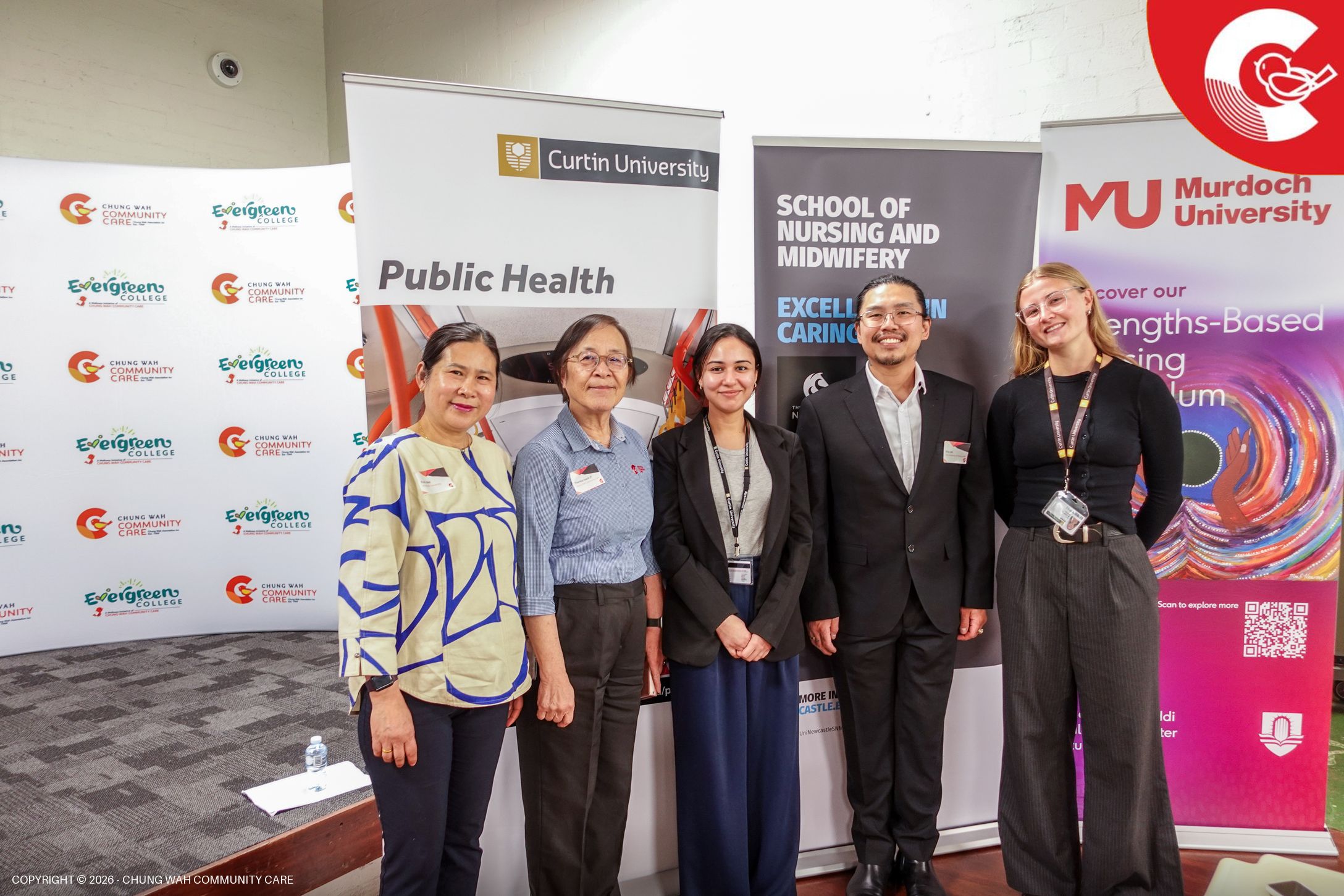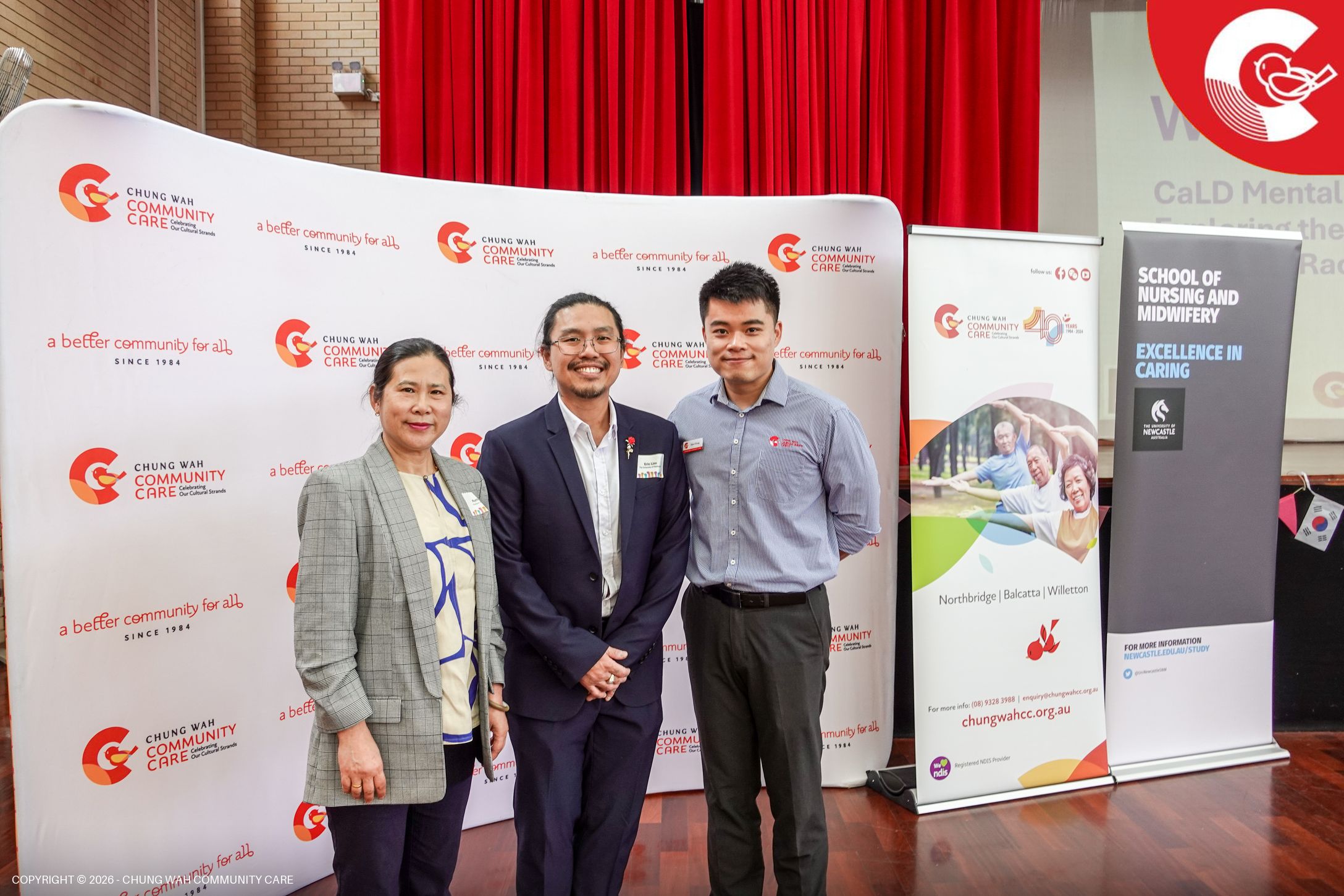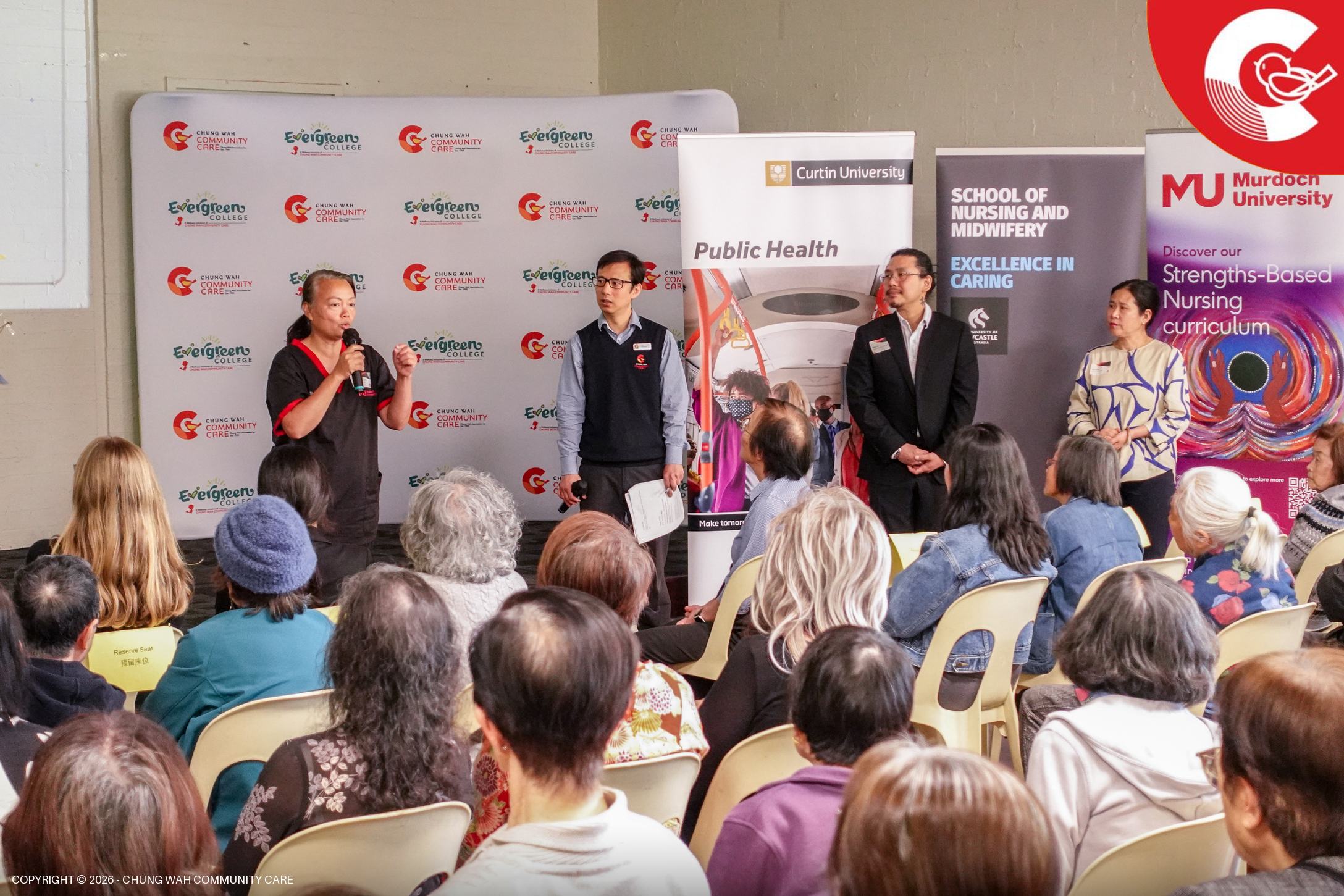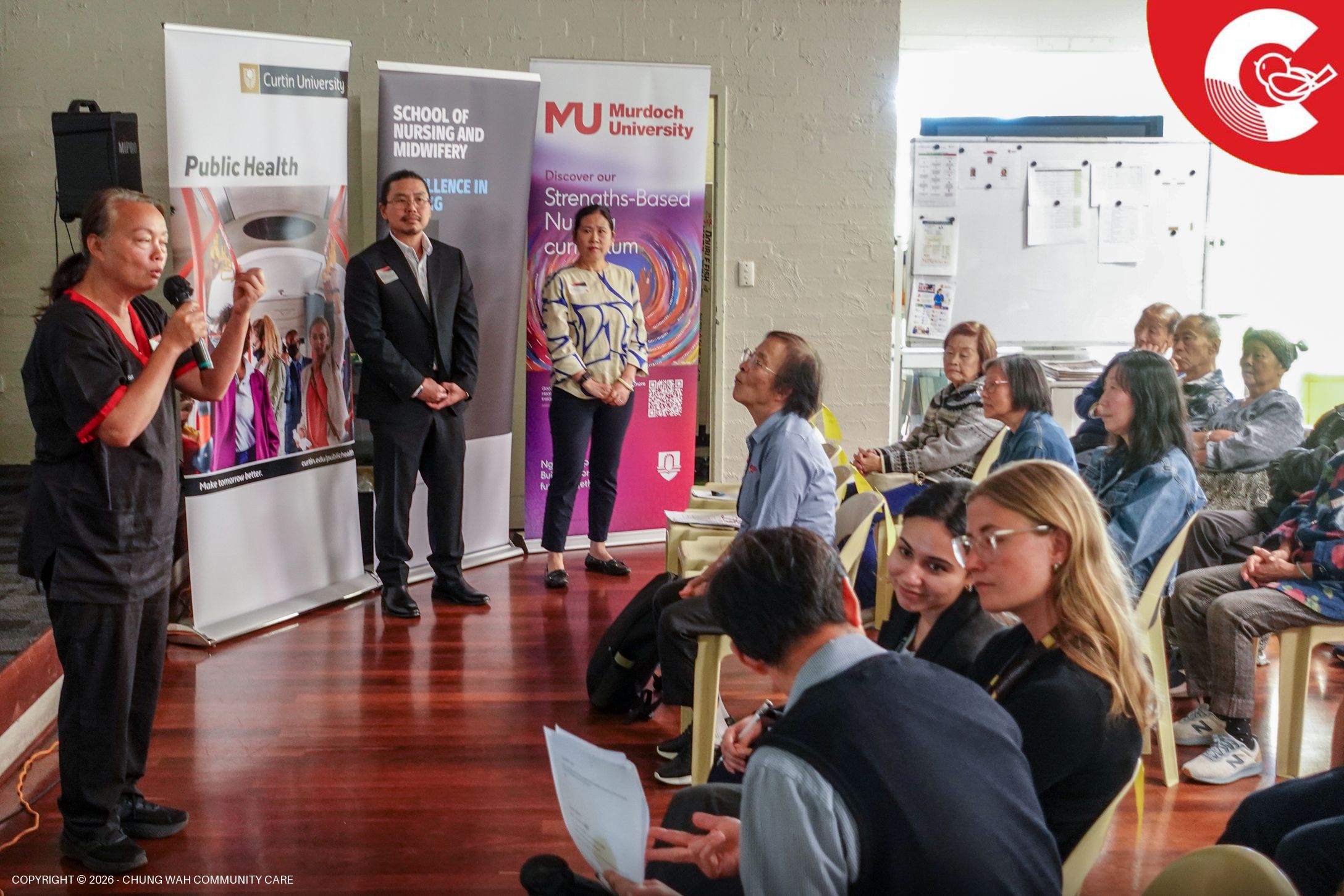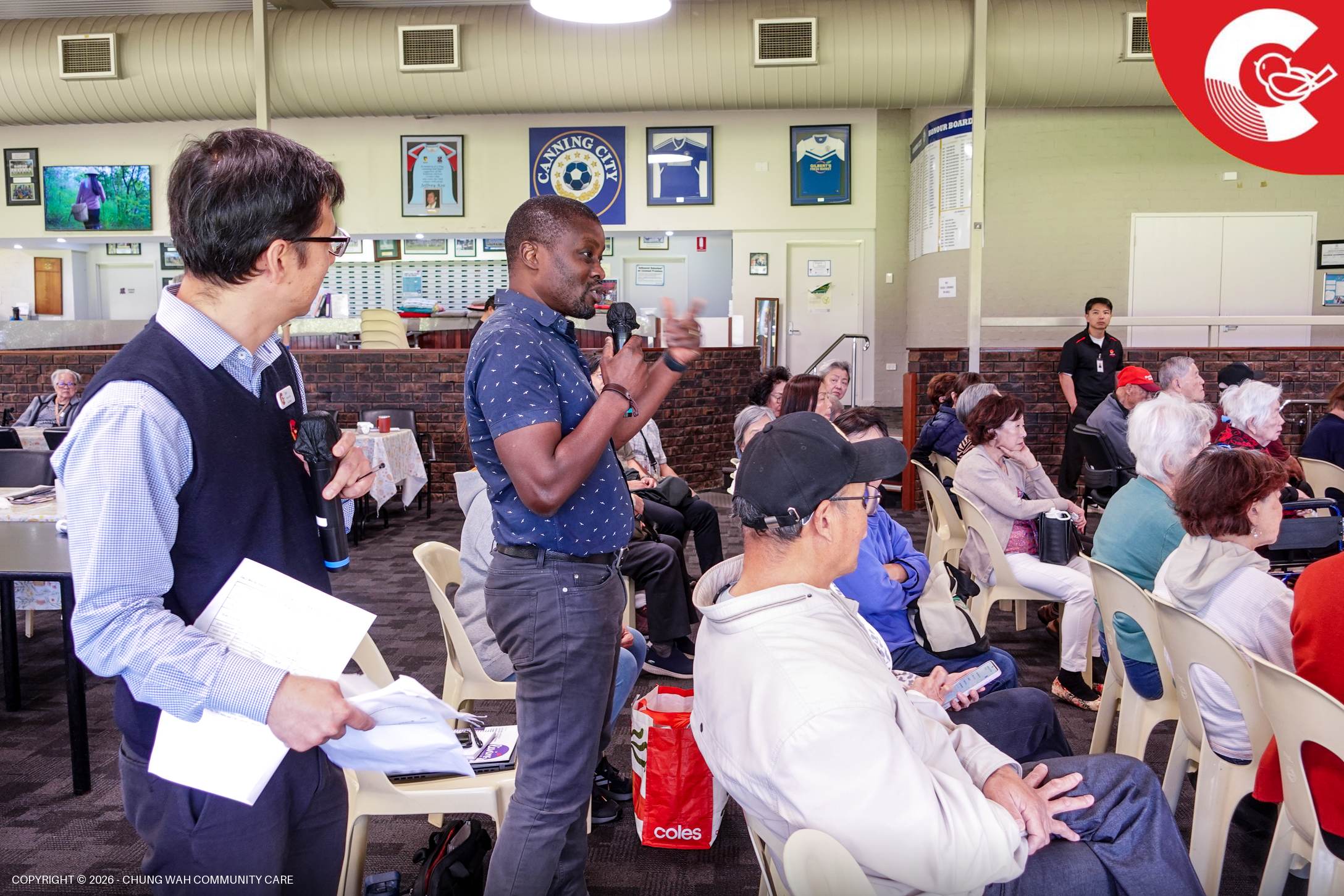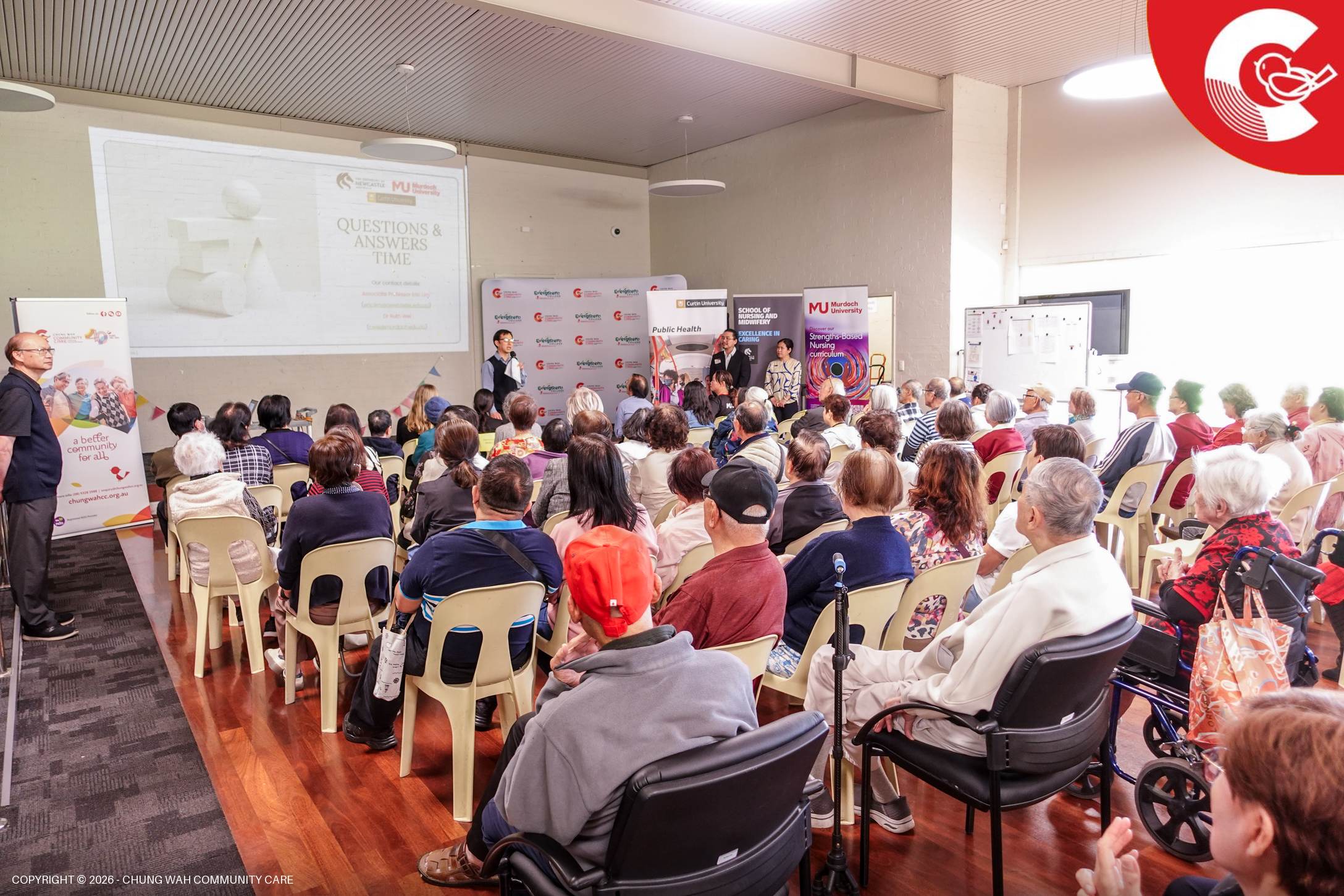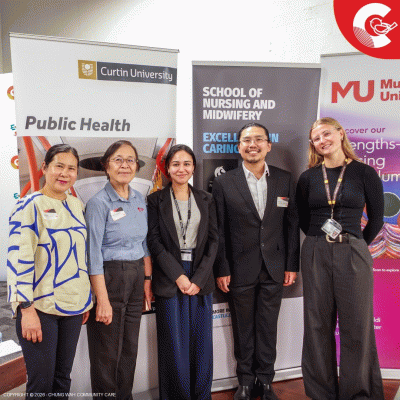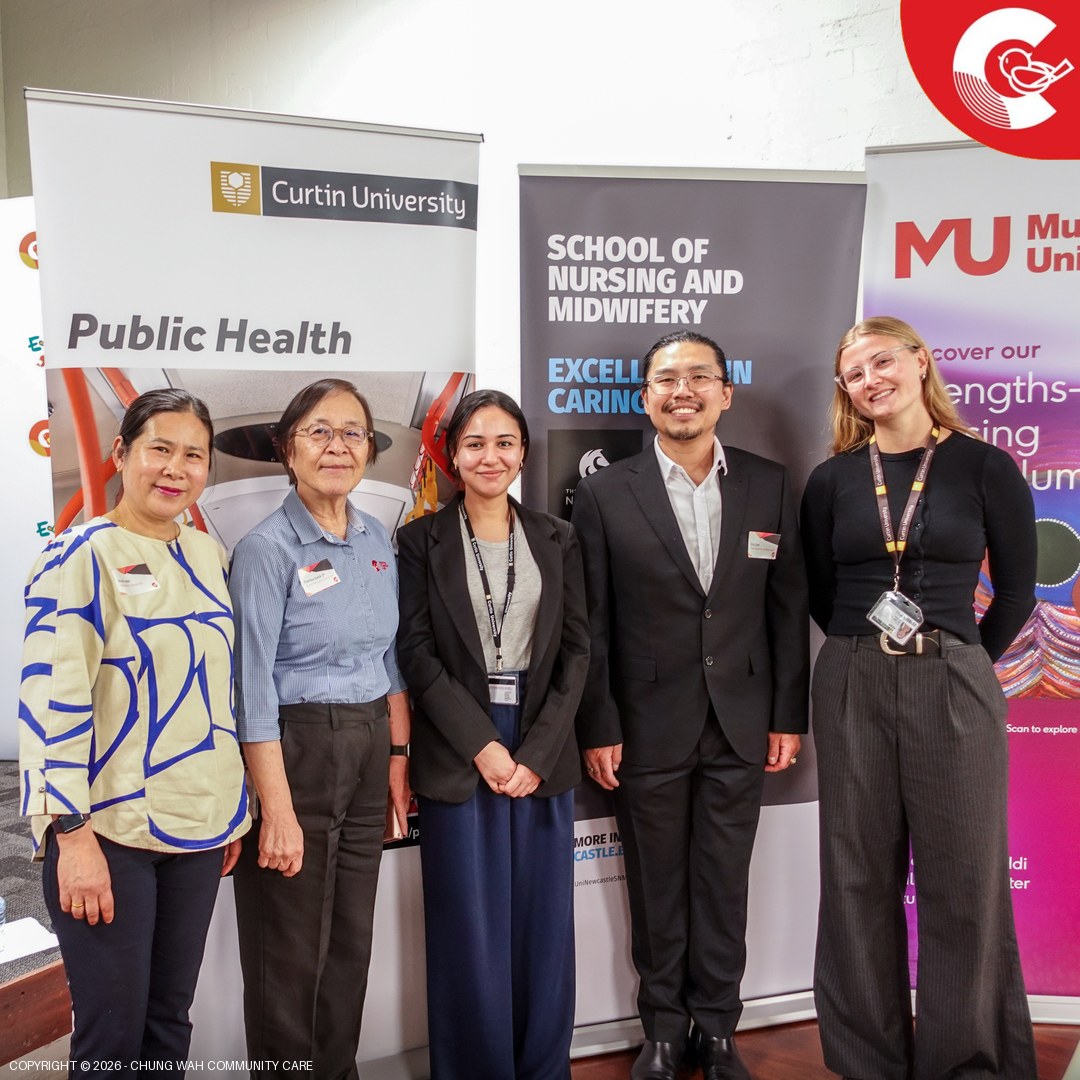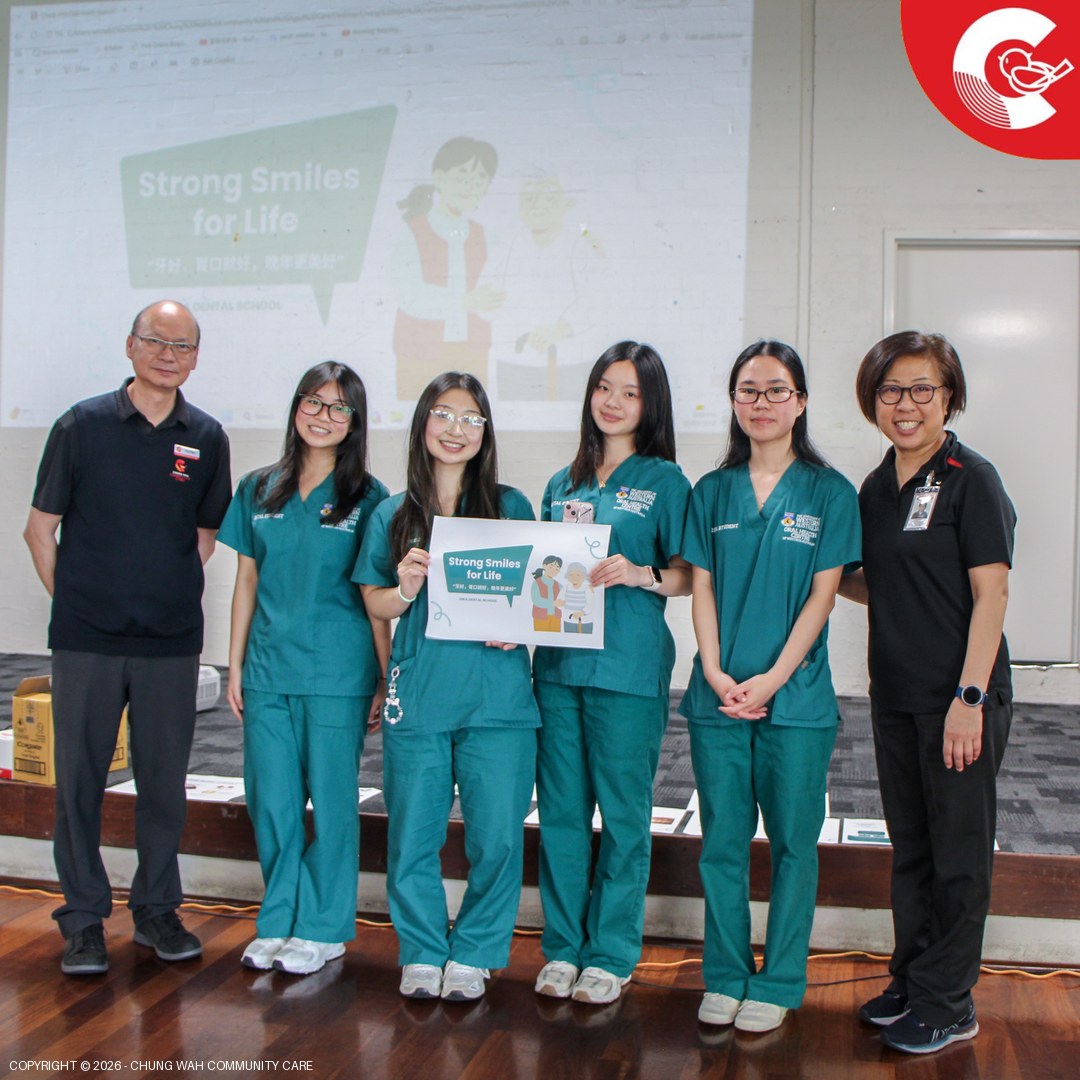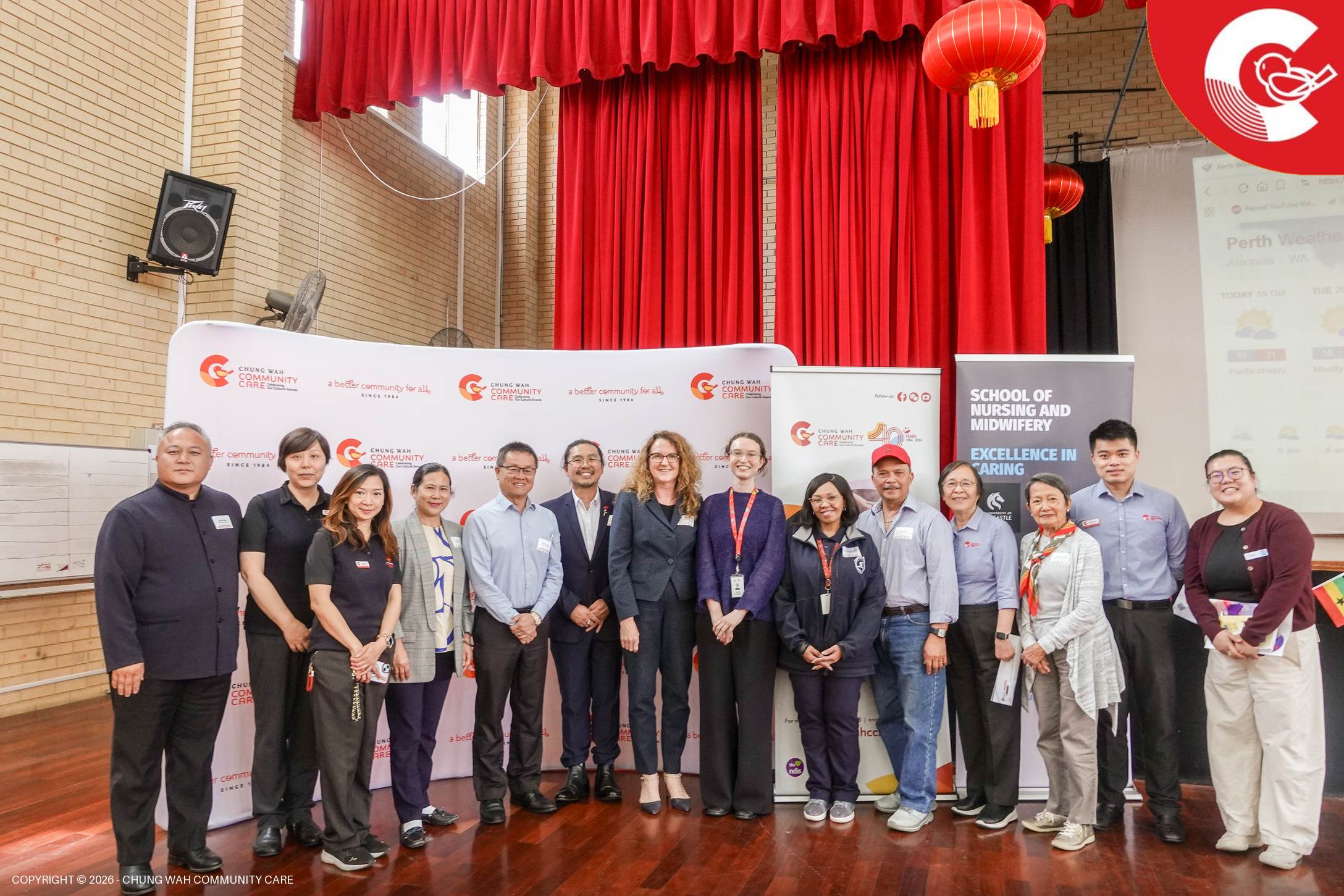
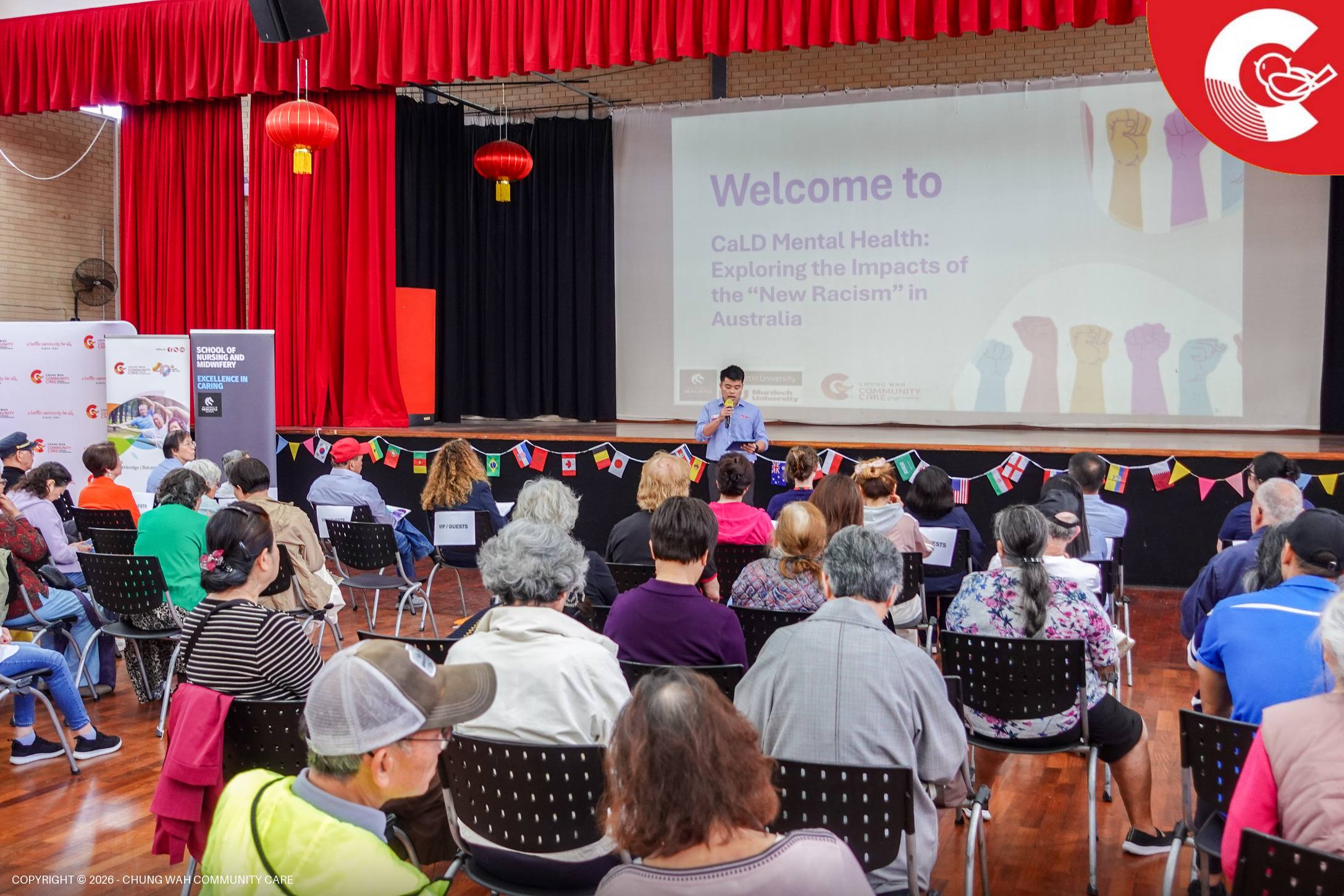
As part of Mental Health Month in October, Chung Wah Community Care (CWCC) joined forces with Curtin University, Murdoch University and the University of Newcastle to host a special community event titled “CaLD Mental Health: Exploring the Impacts of the New Racism in Australia.”
The event shared research findings on the experiences of new racism among migrants and refugees from culturally and linguistically diverse (CaLD) backgrounds in Australia, and explored how these experiences can affect their mental health and wellbeing.
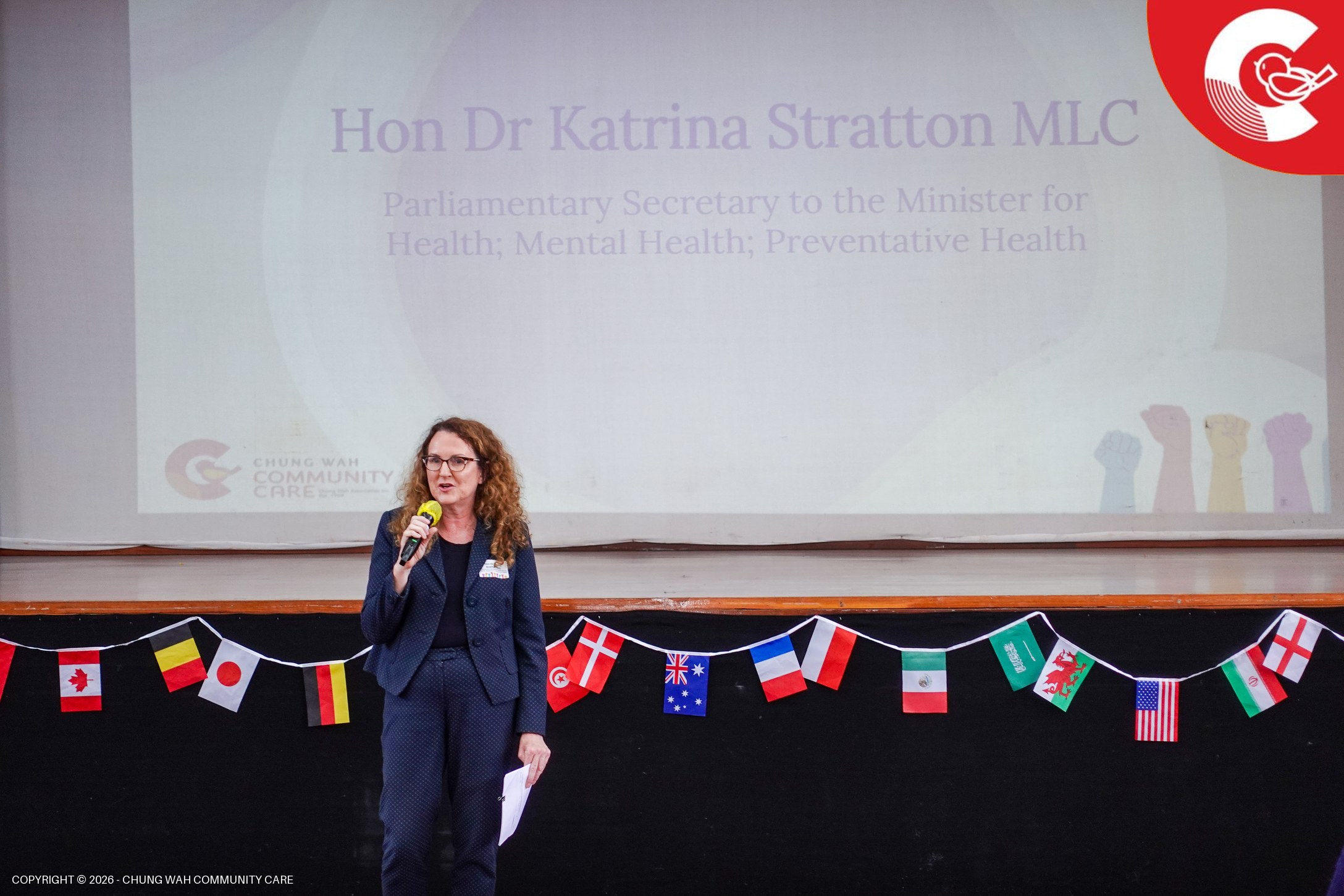
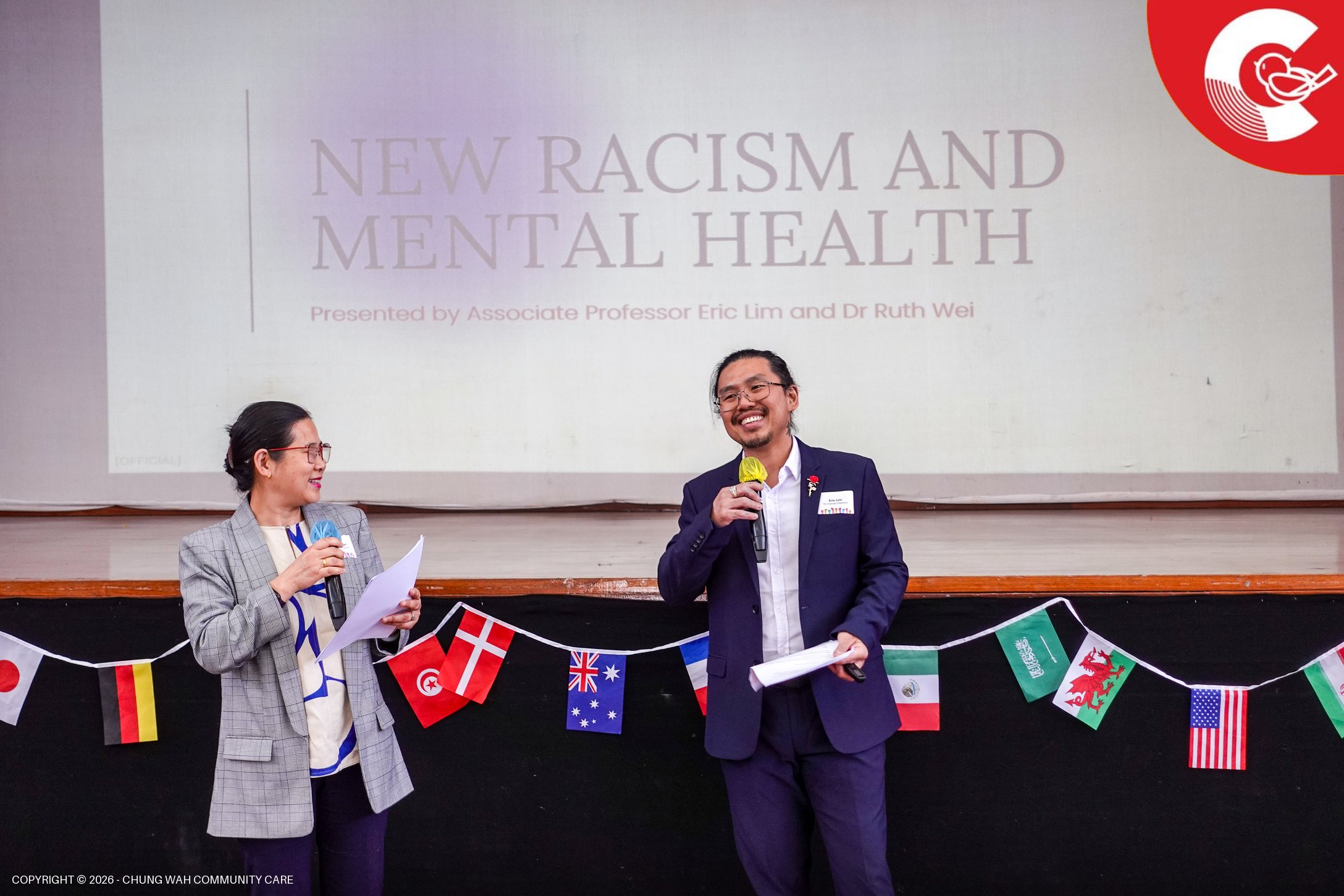
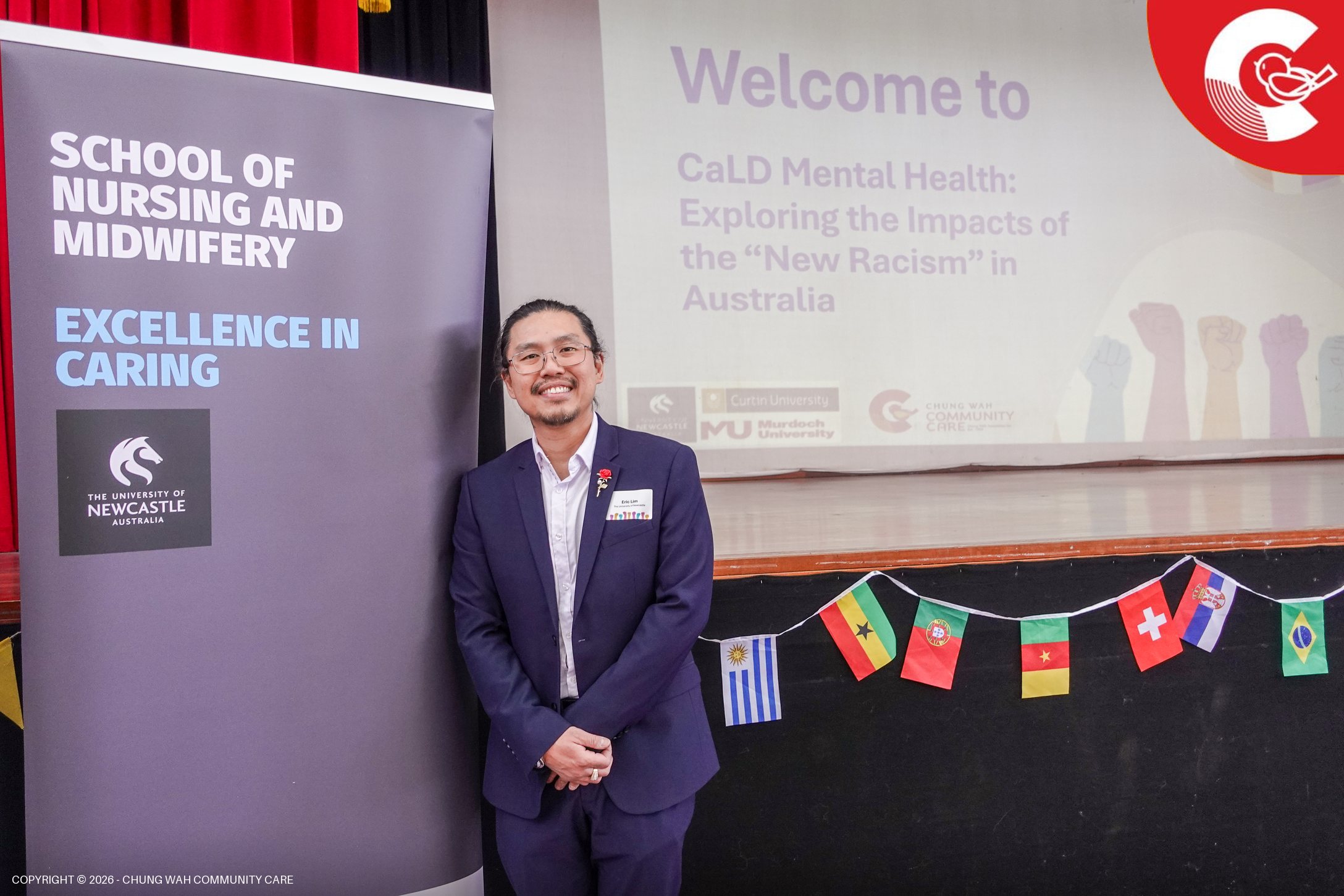
The sessions featured Associate Professor Eric Lim from the University of Newcastle and Senior Lecturer Ruth Wei from Murdoch University. Drawing on their research findings, the speakers explored how racism can affect the mental health of multicultural communities. They discussed the roles that individuals, community organisations and the wider service system can play in providing support.
Held at CWCC’s Balcatta and Willetton Community Hubs, the events were supported by community members and political representatives. The Balcatta session welcomed Hon Dr Katrina Stratton MLC, Parliamentary Secretary to the Minister for Health, while Cr Carol Zhang, Councillor for the City of Cockburn, attended the Willetton session. Sam Lim MP, Federal Member for Tangney, also recorded a congratulatory video message expressing his support for the initiative.

Unlike overt or direct racial discrimination, the research focused on a phenomenon known as “New Racism”, a more subtle form of discrimination that can be embedded in everyday interactions and institutional practices. It may appear neutral or reasonable on the surface, making unequal treatment difficult to recognise or challenge.
In healthcare settings, for example, symptoms experienced by patients from minority ethnic backgrounds may be attributed too readily to cultural or family factors, while their emotional expressions may be interpreted differently. These less visible forms of unequal treatment can undermine trust in the healthcare system and discourage people from seeking help when they need it.
The research also highlighted the essential role that community organisations such as CWCC play in supporting the mental health and wellbeing of migrants and refugees.
For people who are unfamiliar with Australia’s healthcare and mental health service systems, or who may feel hesitant to seek professional support because of cultural differences, community organisations can provide a familiar, trusted, and culturally understanding environment.
Through mental health education, opportunities to share experiences, emotional support and referrals to professional services, organisations such as CWCC can help people recognise mental health concerns earlier, understand where to seek assistance and reduce the stigma and misconceptions surrounding mental health.
The research emphasised that improving mental health outcomes for multicultural communities requires a collective effort involving communities, service providers and policymakers.
CWCC remains committed to supporting and contributing to this important work through community engagement, public education and relevant advocacy, helping to translate research findings into meaningful action.
By working alongside universities, community organisations and service providers, CWCC aims to strengthen mental health and wellbeing across multicultural communities and contribute to a more inclusive, equitable and respectful society.